Feeds:
Posts
Comments

Archive for the ‘Instrumental’ Category

cover_3318122182013_r

TRACKLISTING:
1. Grip It (5:50)
2. Gillz (6:37)
3. Whopner (6:13)
4. Drumbeaux (8:36)
5. Quirk (4:09)
6. BHP (6:03)
7. Meltdown (4:57)
8. Tocino (4:25)
9. I’m Calm Now (6:49)

LINEUP:
John Ziegler –  guitar
Lance Morrison – bass
Danny Carey – drums
Jeff Babko – keyboards

Though their name might not be familiar to many progressive rock fans, Volto! have been around since the start of the new century. Formed by drummer extraordinaire Danny Carey (of Tool fame) together with guitarist John Ziegler,  his former bandmate in Pigmy Love Circus, and session bassist Lance Morrison (who is also a member of Don Henley’s touring band), they started out as a cover band, playing live in the Los Angeles area whenever it was possible for them to get together. A few years later, they ventured into writing and performing  their own material. The next logical step was to head into Carey’s home studio to record their debut album, enlisting the services of veteran session keyboardist Jeff Babko and engineer Joe Barresi (who worked on Tool’s most recent album, 10,000 Days). Incitare was released in August 2013, coinciding with Volto!’s appearance at Yestival in Camden (NJ), alongside Yes, Renaissance, Carl Palmer Band and Sound of Contact.

Anyone who approaches Incitare hoping for some Tool-related music to fill the long wait for the cult quartet’s next album is bound to be disappointed, because Volto!’s debut shares very little (if anything) with Tool’s intense, esoteric sound. In spite of its high-sounding Latin title (“to drive/encourage”), the album is full of the genuine pleasure of playing music, as reflected by the humorous, cartoon-inspired black-and-white cover artwork. While the impressive résumé of the band members might lead some listeners to expect a triumph of style over substance, Incitare comes across as surprisingly easy on the ear. The music possesses a natural flow that is not always associated with such an amount of technical skill: it is exhilarating, energetic and often quite heavy, but never used as a showcase for pointless fireworks, and also unexpectedly melodic.

That being said, Incitare does not lay any claim to being innovative – rooted as it is in the classic jazz-rock tradition of the Seventies, with just a touch of contemporary flair to spice things up. The prominent role of drums and guitar and their seamless, scintillating interplay evoke Billy Cobham’s collaboration with Tommy Bolin on the seminal Spectrum album, or Mahavishnu Orchestra circa Birds of Fire; on the other hand, Jeff Babko’s bold keyboard work hints at some modern-day heavy fusion outfits such as Derek Sherinian’s Planet X (as well as his solo work).

These comparisons immediately spring to mind as “Grip It” opens the album, its fiery, relentless guitar riffs and keyboards backed by Carey’s pyrotechnic drumming; the pace slows down towards the middle, with Ziegler delivering a clear, piercingly melodic solo before things heat up again. The next two tracks showcase the band’s skillful handling of contrasts between dynamic urgency and more laid-back moments. Electric piano lends its unmistakable touch to the intriguing structure of “Gillz”: in the first part, the instruments apparently play at odds but manage to keep a sense of cohesion, while the pace quickens in the finale, driven by lively drums and heavy riffing. “Whopner” is pervaded by a mysterious atmosphere, with faraway-sounding guitar and an almost military drumbeat; then organ takes the lead and drums gain momentum. As hinted in the title, “Drumbeaux” – at over 8 minutes the longest track on the album – spotlights Carrey’s celebrated skills, its central section dedicated to a drum solo that does not overstay its welcome, bookended by spacey, riff-heavy ensemble playing.

Airy and melodic, “Quirk” brings back again echoes of Cobham’s Spectrum, with guitar and electric piano indulging in an elegant duet; while “BHP” barges in with a funky swagger and a barrage of crunching riffs, underpinned by spacey electronics and Carey’s spectacular drumming, then turns subdued, almost romantic in the middle, displaying the band’s ability to shift gears in seemingly effortless fashion. The aptly titled “Meltdown” sees the band dabble with all sorts of electronic effects, while Carey lets rip on his kit, apparently having the time of his life; then the sleek, bass-driven ride of “Tocino” brings things back to normal, with Lance Morrison finally stepping into the limelight and elegant piano flurries enhancing the brisk pace of the track. The album closes on a high note with the power-ballad-meets-vintage-fusion of “I’m Calm Now” – Ziegler’s slow-burning lead reminiscent of Jeff Beck or Gary Moore (especially in his Colosseum II days), then leaving the stage to Babko’s eerily reverberating electric piano and moody, understated synth.

Besides its obvious appeal for fans of impeccably played classic jazz-rock/fusion (especially those who are not averse to a bit of heaviness), Incitare is also a very cohesive piece of work, and avoids the temptation of sprawling, overlong compositions. It also celebrates the joy of playing music at a very high level of proficiency without hitting the listener over the head with one’s chops. In these times of studio-only projects, often conducted over the Internet without any physical contact between the musician, it is heartwarming to see an album that has its origins in live performance – an excellent example of instrumental music that sounds fresh and engaging without pretending to reinvent the wheel.

Links:
http://www.voltoband.com/

http://www.concordmusicgroup.com

Read Full Post »

marbin13

TRACKLISTING:
1. Blue Fingers (3:09)
2. Inner Monologue (4:34)
3. Breaking the Cycle (4:15)
4. On the Square (4:24)
5. Café De Nuit (2:32)
6. Redline (5:21)
7. Volta (4:17)
8. The Ballad of Daniel White (4:31)
9. Down Goes the Day (2:02)
10. The Way to Riches (3:21)
11. And the Night Gave Nothing  (2:48)
12. Purple Fiddle  (4:46)
13. Last Day of August  (5:01)
14. Last Chapter of Dreaming  (3:46)

LINEUP:
Danny Markovitch – saxophone, keyboards (5, 14)
Dani Rabin – guitar
Justyn Lawrence – drums (except for 2, 5, 10)
Jae Gentile – bass (except for 5, 10)

With:
Paul Wertico – drums (2, 3, 5, 8, 10, 12)
Steve Rodby – bass (5, 10, 14)
Zohar Fresco – percussion (3, 5, 9, 10, 11, 12)
Jamey Haddad – percussion (2, 5, 7, 8, 10, 12)
Victor Garcia – trumpet (3, 12)
Matt Nelson – keyboards (4, 5, 6, 8, 13)
Rob Clearfield – keyboards (14)
Greg Spero – keyboards (14)
Leslie Beukelman – vocals (3, 5, 12, 14)
Jabari Rayford – vocals (12, 14)
Abraha Rayford – vocals (12, 14)
Caleb Willitz – vocals (3, 12, 14)
Justin Ruff – vocals (3)

Chicago-based band Marbin, founded in 2007 by Israeli-born Dani Rabin (guitar) and Danny Markovitch (saxophone), and cleverly named by conflating their two surnames, have the distinction of being one of the busiest outfits on the current non-mainstream music scene. Indeed, with hundred of gigs a year under their belt, they have even found the time to produce a video tutorial on “How to Make a Living Touring With Your Band”. Though Marbin started out as a duo, independently releasing their self-titled debut in 2009, by the time they were snapped up by Leonardo Pavkovic’s Moonjune Records (which released their sophomore effort, Breaking the Cycle, in 2011), they had become a full-fledged band, a quartet that availed itself of the collaboration of two experienced jazz-fusion musicians such as Pat Metheny alumni Paul Wertico (drums) and Steve Rodby (bass).

Two years later, Marbin are back with Last Chapter of Dreaming, recorded with drummer Justyn Lawrence and bassist Jae Gentile, who have been part of Marbin’s live incarnation since 2008, plus a host of other musicians. Wertico and Rodby are still on board as special guests, together with percussionist Jamey Haddad, who was also present on Breaking the Cycle. Among the rather lengthy list of collaborators, prog fans will recognize the name of District 97 keyboardist Rob Clearfield, who guests on one track.

Though the album is very much a team effort, very cohesive from an instrumental point of view, Rabin’s guitar and Markovitch’s sax steal the show with their scintillating interplay, denoting the ease that comes from a long partnership coupled with the sheer enjoyment of music-making. Unlike the band’s previous effort, which featured a traditional song, on Last Chapter of Dreaming vocals appear only in the shape of wordless vocalizing; while the addition of other drummers and percussionists lends an appealing sense of dynamics to the two mainmen’s exertions. The final product is a very sophisticated mix of rock, jazz and blues with hints of world music, though in some ways not as successful as the band’s previous two albums.

Especially if compared to Marbin’s debut – an exquisitely minimalistic production that made the most of Rabin and Markovitch’s impressive skills – Last Chapter of Dreaming, at least in part, takes a sharp turn in a more mainstream direction, a trend that had already surfaced in some episodes of Breaking the Cycle, though not as noticeably as here. In particular, the handful of tracks featuring vocals veer dangerously close to easy listening. While “Breaking the Cycle” (oddly enough, not featured on the album of the same title) is given a dramatic, cinematic sweep by Victor Garcia’s wistful trumpet, the airy, lullaby-like “Café de Nuit” oozes a nostalgic Old-World feel, and both “Purple Fiddle” and the title-track – with their slow, laid-back vibe – put me in mind of a slightly cheesy soundtrack for some European Seventies movie.

The more rock-oriented tracks see Marbin at their best, such as pyrotechnic opener “Blue Fingers” with its assertive, metal-tinged riffing and energetic sax, the brisk, Hammond-laced “On the Square”, and the jazzy rock’n’roll workout of “Redline” (also enhanced by discreet Hammond organ). The exhilarating “Volta”, shifting from a melodic, laid-back mood to frantic, riff-laden bursts of energy complemented by a Morricone-influenced cinematic grandiosity, is one of the undisputed highlights of the whole album – as is the subdued “The Ballad of Daniel White”, showcasing Justyn Lawrence’s superb drumming.

With 14 rather short tracks spread over 55 minutes, Last Chapter of Dreaming avoids overstaying its welcome as other, more ambitious albums do, though some of the tracks might have been omitted without too much detriment. Though a classy offering, flawlessly performed by a group of outstanding musicians, it is not as organic as its predecessor, and flirts a bit too closely with smooth jazz to find favour with lovers of the more challenging fare generally released by Moonjune Records. The album makes nevertheless for a very pleasing listening experience, and a special mention is deserved by the stunning cover artwork, courtesy of Portland-based artist Brin Levinson (also responsible for the cover of Breaking the Cycle, as well as Dissonati’s debut Reductio Ad Absurdum).

Links:
http://marbinmusic.com/

http://www.moonjune.com/mjr_web_2013/catalog_mjr/050_MARBIN_Last-Chapter-of-Dreaming_MJR050/

http://www.youtube.com/user/marbinmusic

http://brinlevinson.com/

Read Full Post »

cover_344082852013_r

TRACKLISTING:
1. Windmaster (6:26)
2. Dorian Grey (4:27)
3. The Last Tribe (1:56)
4. Lydia in the Playground (5:20)
5. Unimpossible (7:47)
6. Tarde Demais (3:40)
7. Vintitreis (4:19)
8. Whereisit (5:11)
9. Sand Horses (4:07)
10. Chromaterius (3:42)

LINEUP:
Nelson Coelho – guitar
Jorge Pescara – touch guitars
Miguel Angel – drums

In the past few years, Leonardo Pavkovic’s Moonjune Records has become a go-to resource for fans of guitarists that eschew the tired antics of traditional “guitar heroes” to focus on creative, envelope-pushing playing put at the service of the  music. In the past few years, outstanding players from far-flung locales such as Indonesia have become part of  the Moonjune roster – with noteworthy releases such as Tohpati Bertiga’s Riot, Ligro’s Dictionary 2 and Dewa Budjana’s Dawai in Paradise. Brazilian power trio Dialeto  are the latest addition to the New York label, getting their first international release with their third album, The Last Tribe.

In the two years following the release of Chromatic Freedom, the São Paulo outfit, founded in the late Eighties and led by guitarist and composer Nelson Coelho, have replaced original bassist Andrei Ivanovic with touch guitarist Jorge Pescara – a change that has influenced their sound in a rather interesting way. While Chromatic Freedom featured a few songs with vocals, on The Last Tribe Dialeto have taken a completely instrumental direction, concentrating on compositions that blend King Crimson-style angular, asymmetrical patterns with heady Latin suggestions and fiery blues licks, occasionally with a keen metal-like edge. Though some reviewers have labeled them as jazz-fusion, the latter genre is only one of the ingredients of Dialeto’s heady brew. While technical virtuosity is definitely emphasized,  Dialeto’s musical offer exudes a surprising warmth and a pronounced sense of melody – which is not always the case with all-instrumental albums.

The introduction of touch guitars is the key to the subtle yet noticeable change in Dialeto’s sound on The Last Tribe, adding a sense of fullness and softening the rougher edges displayed on Chromatic Freedom. The versatility of the instrument – capable of producing dry, low-down bass lines as well as reverberating, keyboard-like sound waves – complements Coelho’s scintillating guitar exertions and Miguel Angel’s all-over-the-place drumming. Though not as heavy on the ambient component as Herd of Instinct (a band with a similar configuration and approach), Dialeto’s 2013 incarnation benefits from the synergy of touch and traditional guitar, which lends an intriguingly mysterious quality to its sound.

As already noticed on Chromatic Freedom, Coelho’s compositional style hinges on subtle yet recognizable variations on a theme, repeated with an almost hypnotic effect, creating a strong cohesion between The Last Tribe’s 10 tracks.  Running times are kept relatively short, packing a lot of content in those few minutes without putting too much strain on the listener’s attention span. The album as a whole runs at a very restrained 47 minutes, proving once again that, in the progressive rock realm, quality does not depend on quantity.

Opener “The Windmaster”sets the tone, with its clear-voiced guitar touched with a hint of Brazilian saudade; melody remains at the forefront even when the guitar turns a bit harsher and the  intensity increases. Similar in conception, “Dorian Grey” also introduces a haunting atmospheric note. The album hovers between low-key, mid-paced pieces such as the ballad-like “Lydia in the Playground” and the laid-back, Spanish-tinged “Tarde Demais”, spiced up by sudden flares of electricity in the shape of dense riffing and assertive drumming, and spiky, energy-laden ones )mostly concentrated in the album’s second half), descending directly from King Crimson circa Thrak and The Power to Believe.

The almost 8-minute, Brazilian-flavoured “Unimpossible”, which best illustrates the band’s modus operandi of building variations on a theme, and the exhilarating “Vintitreis” blend the soft and the hard side of Dialeto’s sound, Coelho’s guitar tone shifting from bright and sunny to razor-sharp, supported by Miguel Angel’s drum acrobatics; while “Whereisit”, “Sand Horses” and especially closing track “Chromaterius” kick the mood into high gear, with plenty of riffs and forceful drumming, the three main instruments interacting seamlessly in angular patterns only occasionally relieved by quieter moments. Finally, the steady drumbeat and brisk, dance-like pace of the short title-track convey the “tribal” element in the title.

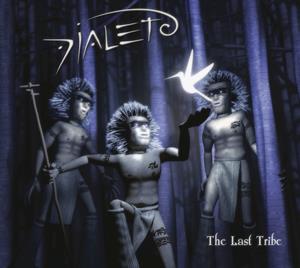
Accompanied by amusingly weird cover artwork, The Last Tribe (mixed and mastered by fellow paulista Fabio Golfetti of Violeta de Outono, who has recently joined Gong) will not fail to appeal to lovers of instrumental progressive rock, especially those who set a great store by technically proficient yet soulful guitar playing rather than lightning-fast shredding. The album, which finally sees Nelson Coelho take his rightful place among other distinguished six-stringers on the Moonjune roster, such as Barry Cleveland, Dennis Rea and Michel Delville, is also warmly recommended to fans of King Crimson and its “trio” offshoots.

Links:
http://www.dialeto.org

http://www.moonjune.com/mjr_web_2013/catalog_mjr/054_DIALETO_The-Last-Tribe_MJR054/

Read Full Post »

150008_587192467976023_123377879_n

TRACKLISTING:
1. Pea (3:11)
2. Asshole Vote (6:16)
3. Elements (4:17)
4. Tuba Melt (2:04)
5. Small Rome (2:35)
6. Every Dead Indian (8:37)
7. Empty Traps and Nightfall (2:49)
8. Spoken (2:58)
9. The Utopian and the Teaspoon (5:04)
10. Winds Over Iceland (1:21)
11. Knock Knock Hornets Nest (6:29)
12. Notebook Memory (2:04)
13. Last Entry (4:56)

LINEUP:
David Lundberg & Mattias Olsson – keyboards, guitars, drums, percussion, drum machines, electronics, sound effects

With:
Cecilia Linné – cello (1, 2, 5, 6, 13)
Michele Benincaso – bass (2, 5, 6, 7, 9)
Ulf Åkerstedt – contrabass trumpet (2), bass trumpet (2, 4, 9), tuba (2, 4)
Einar Urgur Baldursson – electric guitars, e-bow, electric sitar (9), baritone guitar (10), electric 12-string guitar (11), mandolin (13)
Yann LeNestour – bass clarinet (6, 9, 12)
Ulph Andersson – additional editing (2), reading (4)
Matti Bye – Hammond L-100 (6)
Noah Gest – lap steel (11)
Shep Gest – voice (8)
Elvira de Troia – voice (2)
Akaba & Tiger Olsson– vocals (13)

Necromonkey was born from the meeting of two artists whom a thousand-odd US progressive rock fans had the pleasure of seeing on stage in the summer of 2012. Drummer Mattias Olsson is a household name in prog circles, being a founding member of legendary Swedish band Änglagård (which he left in the autumn of 2012), while keyboardist David Lundberg is one-fourth of NEARfest Apocalypse revelation Gösta Berlings Saga. Olsson (a classically-trained percussionist, composer and producer) met in 2008 during the recording sessions for Gösta Berlings Saga’s second album, Detta Här Hänt, and realized they were kindred spirits. Lundberg was subsequently invited to join the reformed Änglagård as a live keyboardist for their 2012 dates, while Olsson joined Gösta Berlings Saga on stage at NEARfest for the band’s exhilarating encore.

Necroplex, the title of Necromonkey’s debut album (composed and recorded in 2010 at Olsson’s own Roth-Händle studios in Stockholm), refers to the Echoplex tape delay used by many notable guitarists in the Sixties and Seventies. While Olsson and Lundberg handle the majority of the instruments, combining cutting-edge technology with vintage equipment, a number of guest musicians (including Gösta Berlings Saga’s guitarist Einar Baldursson) contribute to the final result with an array of acoustic and electric instruments. Clocking in at about 52 minutes, the album features 13 relatively short, mostly instrumental tracks that – unlike so much of the formulaic, somewhat “safe” fare that seems to be popular these days – challenge prog fans’ irresistible urge to label everything.

Debunking the stereotype of the dour Northern European, Necroplex is pervaded by a healthy dose of slightly absurdist, tongue-in-cheek humour, evident in the track titles and the descriptions included in the CD booklet, emphasizing that the making of the album was a relaxed and highly entertaining process for  Olsson and Lundberg. Though first-time listeners may be disappointed to find a different animal than the bands with which the two artists are associated, successive listens will reveal subtle but unmistakable references to the sound of both Änglagård and Gösta Berlings Saga.

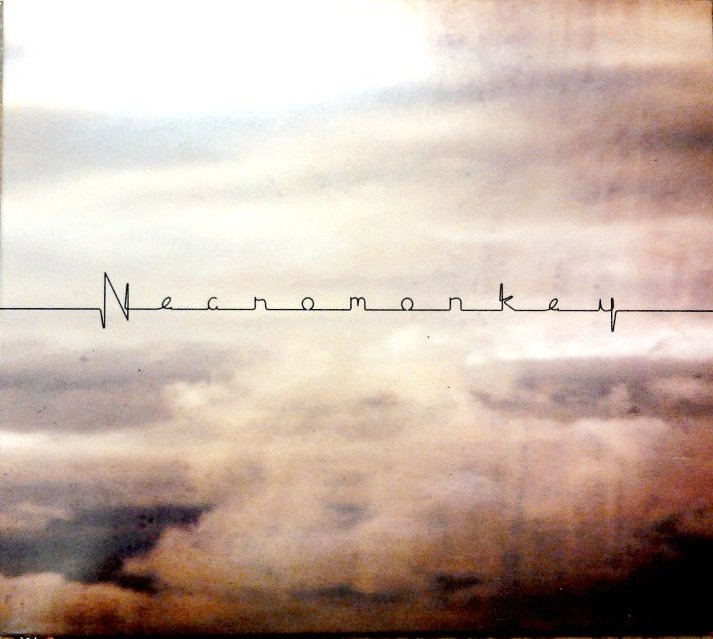
Melancholy and appealingly zany in turn, balancing acoustic, electric and electronic elements with skill and delicacy, Necroplex possesses a hauntingly cinematic quality that hints at Olsson’s experience as a composer of film and theatre soundtracks. Variety is the name of the game, each track telling its own story in exquisitely multilayered fashion. From subdued ambient interludes such as “Winds Over Iceland” (featuring Einar Baldursson’s meditative baritone guitar), the sparse bass solo of “Empty Traps and Nightfall” and the rarefied clarinet of “Notebook Memory” to the free-form avant-garde leanings of the wacky “Tuba Melt” and the surreal narration of the aptly-titled “Spoken”, the album offers a veritable journey through moods and atmospheres as wildly shifting as the clouds depicted on its cover.

The liberal use of drum machines imparts a martial, almost robotic pace to tracks such as the angular “The Utopian and the Teaspoon” and “Asshole Vote”, where it is reinforced by scratchy turntable effects, and softened by Cecilia Linné’s sober cello, while the ever-present mellotron confers to the sound an orchestral quality through an array of choral and string effects. “Small Rome” has the allure of a classical chamber piece, with its cello and flowing piano, while the album’s two longest tracks – the 8-minute “Every Dead Indian” and “Knock Knock Hornet’s Nest” – merge harsh industrial suggestions with the surging post-rock sweep of Gösta Berlings Saga, driven by Olsson’s eclectic drumming and accented by chiming guitar. Closing track “Last Entry”, on the other hand, privileges the warmth of acoustic instruments such as mandolin, vibraphone and glockenspiel, enhanced by gentle chanting and mellotron, introducing a note of folksy Scandinavian wistfulness that evokes Änglagård and Anekdoten at their most introspective.

Forward-thinking lovers of instrumental music will not fail to appreciate Necroplex – an album whose thoroughly modern stance also pays homage to the likes of early Pink Floyd – as will those who have been intrigued by some of the bands and artists covered in this blog, such as Ergo, Knitting By Twilight, Lüüp and the obvious choice, Gösta Berlings Saga. All in all, this is an album that rewards patience, and proves that vintage prog staples and cutting-edge technology can be successfully combined to produce music that is genuinely progressive, yet appealingly down-to-earth. Even if released early in the year, I expect Necroplex to appear in many “best of 2013” lists. Fans will also be glad to hear that Olsson and Lundberg are already working on a follow-up.

Links:
https://www.facebook.com/pages/Necromonkey/109218875773387

http://www.youtube.com/user/RothHandle

Read Full Post »

2P 4pg insert

TRACKLISTING:
1. Praxis (5:14)
2. Dead Leaf Echo (3:18)
3. Brutality of Fact (3:17)
4. Alice Krige pt.1 (5:54)
5. Solitude One (4:25)
6. Ravenwood (3:27)
7. Mother Night (4:23)
8. Vargtimmen (4:59)
9. Malise (3:15)
10. New Lands  (4:12)
11. A Sense of an Ending (5:30)
12. The Secret of Fire (5:16)

LINEUP:
Mark Cook – Warr guitar, ADG fretless bass, guitar, programming
Mike Davison – guitar, 12-string acoustic guitar, guitar synth
Gayle Ellett – Moog, Mellotron, Hammond organ, Rhodes, dilruba
Jason Spradlin – drums, programming

With:
Joel Adair – trumpet (4)
Joe Blair – lap steel guitar (4)
Colin Edwin – fretless bass (1, 11)
Bob Fisher – flute (1, 4)
Lisa Lazo – keyboards (5)

In the late spring of 2011, the self-titled debut album by Herd of Instinct  – a hitherto unknown outfit named after the only album by Talk Talk offshoot O’Rang –  was released on Firepool Records, the label created by Gayle Ellett and Chuck Oken Jr, founding members of veteran US progressive rock band Djam Karet. Based in the Dallas-Forth Worth area of Texas, the idiosyncratic “power trio” of Mike Davison, Mark Cook and Jason Spradlin was augmented by a number of guest musicians – some quite high-profile, such as drummers Jerry Marotta, Gavin Harrison and Pat Mastelotto, and touch guitarist Markus Reuter and Gayle Ellett himself. After a few spins, the album – at first deceptively unassuming – quickly became one of my favourite albums of 2011, also earning and Herd of Instinct my personal “best new band” award.

In the months prior to the release of Conjure, their highly anticipated second album, some things have changed in the Herd of Instinct camp. The trio is now a quartet, with Ellett (an accomplished multi-instrumentalist and composer involved in a myriad of different projects)  now a full member, manning the keyboards and providing some exotic accents. While the debut featured vocals on two tracks out of 10, with Conjure Herd of Instinct have chosen a completely instrumental format. The album expands on the ideas presented on the debut, introducing subtle adjustments to the band’s distinctive sound rather than opting for a dramatic change in style – though avoiding the all too common syndrome of the sophomore effort being an inferior copy of its predecessor.

This time around, the presence of guest artists is kept to a minimum – with Porcupine Tree bassist Colin Edwin the only household name on the list –  emphasizing Herd of Instinct’s status as a real band rather than a loose group of musicians. With Ellett’s keyboards used discreetly to accent the work of the other instruments, and a smattering of programmed drums to supplement Jason Spradlin’s deft work behind the kit, the musical texture is profoundly atmospheric, often hypnotic and occasionally hard-edged, each instrument meshing with the other to produce an organic flow. On Conjure – even more so than on Herd of Instinct’s debut – the four band members bring their wide range of influences and keenly eclectic attitude to full fruition

Clocking in at around 53 minutes, Conjure features 12 tracks, the longest of which falls short of the 6-minute mark. However, there is plenty of complexity for fans to sink their teeth into, and a lot of interesting details are packed into each of those apparently short numbers. The one criticism I might level at the album is that, though anything but overlong, it temporarily loses steam in its second half. In fact, a couple of somewhat repetitive tracks might have been omitted without any detriment to the rest of the material. On the other hand, the performances of all the artists involved are top-notch, possessing that effortless quality that is not always easy to achieve when playing highly complex music.

Immediately creating a connection with the band’s debut, “Praxis” successfully combines variety and fluidity, its many layers subtly and skillfully rendered. Gayle Ellett’s Mellotron – an essential ingredient of the album’s instrumental texture – fleshes out the sleek, intricate work of Mike Davison and Mark Cook’s guitars, blending with the liquid polyrhythms of the Warr guitar and contrasting with an array of eerie electronic effects, while flute adds a  soothing, pastoral note. “Dead Leaf Echo” introduces a keen metal-like edge reminiscent of King Crimson ‘s late Nineties incarnation; the many tempo changes are handled deftly, with peaks of riff-heavy intensity followed by low-key passages dominated by the evocative sound of Mellotron and Warr guitar. Starting out in similar fashion, “Brutality of Fact” soon turns solemn, tapping into that cinematic vein evidenced by the band’s debut, and pushing Mellotron and Hammond organ to the forefront together with the guitars and Jason Spradlin’s powerful drumming.

With the one-two punch of “Alice Krige pt. 1” and “Solitude One”, Conjure reaches its creative peak. The former explores the rarefied, atmospheric territory that had made Herd of Instinct’s debut such an intriguing proposition, with ethereal trumpet and flute complementing the echoing sound effects and sparse lap steel guitar, spiced by warm-sounding percussion; the latter, based on the Indian dilruba (one of the many exotic string instruments mastered by Ellett), juxtaposes haunting ambient and ethnic elements with trance-like electronics. The first half of the album closes with the clear, intersecting guitar lines and wistful Mellotron of “Ravenwood”, accented by a sprinkling of electronic effects.

The Mellotron takes a lead role again in the aptly titled “Mother Night”, a stately, faintly gloomy piece redolent of Scandinavian prog icons such as Anekdoten. “Vargtimmen”, based on a percussion sample from Steve Tibbetts’ Friendly Fire collection, is introduced by recorded voices that intensify its brooding, ominous quality; while the somewhat harsh-sounding “Malise”, rife with buzzing electronics, is in my view the weakest link on an otherwise strong album. Urgent drumming and sharp, assertive guitar lines propel the Morricone-influenced “New Lands, which also features a particularly expressive guitar solo (almost a rarity on an album based on a tight instrumental texture rather than on individual performances). Slow and measured, “A Sense of an Ending” hints at some episodes of Trey Gunn’s output, as well as the more sedate compositions of second- and third-phase King Crimson, while the airy, spacious melody in the first half of closer “The Secret of Fire” leads to an entrancing, almost slo-mo finale enhanced by piano and spacey sound effects.

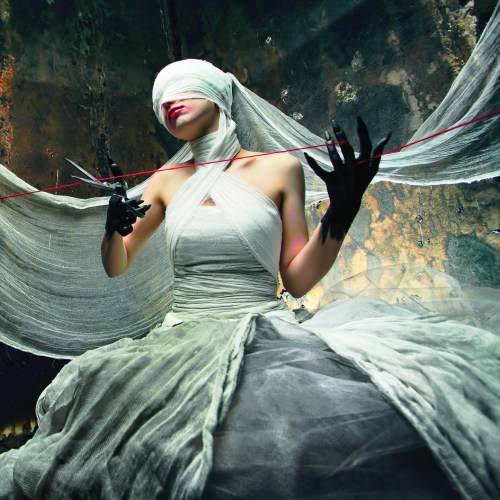
Herd of Instinct have also upped the ante in terms of artwork, and Conjure comes with a strikingly sinister cover that suggests one of the Three Fates ready to sever the thread of life. Like its predecessor, the album may be a grower rather than a “love-at-first-listen” affair, and require more than a couple of absent-minded listens to make its full impact. On the other hand, with its sophistication and eclecticism, it strengthens the band’s reputation as one of the most interesting presences in the variegated “instrumental prog” universe, and will not disappoint those who had appreciated their debut. It is to be hoped that some festival organizers – either in the US or elsewhere – will also take notice.

Links:
http://www.herdofinstinct.com

http://www.djamkaret.com/firepoolrecords/herdofinstinct2/

https://progmistress.com/2012/03/21/interview-herd-of-instinct/

Read Full Post »

1505

No doubt about it: 2012 was a difficult year for most of us. True to the Italian saying about leap years being unlucky, 2012 ran the gamut from weather-related disasters, wars and other acts of random violence to political malfunction and economic near-collapse, sparing almost no part of the world. There was no lack of disruption in my own little world either. In spite of all my good resolutions, the year started with a few weeks of less than stellar physical condition (nothing serious, but enough to grind most of my projects to a halt), and then I was hit by a double-whammy of bureaucracy-related problems that –  while obviously not tragic – caused enough distress to cast a pall over the remaining months.

It is not surprising, therefore, that in 2012 I have been less prolific a reviewer than in previous years, or that the views on this blog have somehow decreased, though not dramatically so. Constant stress can wreak havoc on inspiration, and at times it was hard to come up with a coherent sentence – let alone an 800-word review. However, in spite of the seemingly endless stream of worry and general annoyance, music has remained a source of delight and (as the title of this essay points out) comfort when things got really tough.

The number of progressive rock-related albums released during 2012 was nothing short of staggering. The second decade of the 21st century started indeed with a bang in 2011, and, at least for the time being, the trend does not show any signs of being reversed. Many of those albums were made available for streaming (at least for a limited time) by websites such as Progstreaming, Bandcamp or Soundcloud, allowing the often cash-strapped fans a “test run”. On the other hand, the sheer volume of new releases made it necessary to pick and choose to avoid being overwhelmed. While confirming the vitality of the genre, this also showed one of the downsides of the digital age – the oversaturation of the market, and frequent lack of quality control.

As my readers know, I do not do “top 10/20/50/100” lists, leaving this exercise to people who are interested in arranging their choices according to a more or less strict order of preference. From my perspective, there have been milestone releases, and others that – while perhaps not equally memorable – still deserve a mention. On any account, even more so than in the previous year, 2012 has emphasized the ever-widening gulf between the retro-oriented and the forward-thinking components of the prog audience. Sometimes, while looking at the reviews pages of some of the leading websites of the genre, I have had the impression that (to paraphrase Rudyard Kipling) the twain shall hardly ever meet. In the US, such a split has been detrimental to the festival scene – though the void left by NEARfest’s demise may lead organizers to step out of their typical audience’s comfort zone in order to attract a more diverse crowd.

Though I am most familiar with albums that I have reviewed, or otherwise own, there are others that have left enough of an impression to deserve a mention in this post. As my choices have been mainly informed by personal taste, I will apologize beforehand for any major omissions. While I may consider those albums essential listening, some of my readers will certainly disagree with me, and suggest their own personal picks –and this is exactly how things should be. Indeed, as the French would say, vive la différence!

Although I have built a reputation as a fan of the more “difficult” stuff, one of my favourite albums of the year (and one that is likely to be featured in many top 10 lists) is an album that, in many respects, is not even “prog” in the conventional sense of the word. However, Echolyn’s self-titled eighth studio album – unlike so many true-blue prog releases – is a masterpiece of songwriting, instrumentally tight without any concessions to self-indulgence, and packing a huge emotional punch. Another highly awaited, almost unexpected comeback – 18 years after the band’s previous studio effort – Änglagård’s third studio album, Viljans Öga, reveals a keen, almost avant-garde edge beneath its pastoral surface, well highlighted in their impeccable NEARfest appearance.

2012 was a milestone year for what I like to call the “new frontier” of prog – less focused on epic grandeur and more song-oriented. In the second decade of the 21st century, “progressive rock” and “song” are not antithetic concepts any longer, and going for 5 minutes instead than 15 is not a sign of sell-out. Three albums in particular stand out: 3RDegree’s The Long Division, a perfect combination of great melodies, intelligent lyrics and outstanding musicianship with the added value of George Dobbs’ Stevie Wonder-influenced vocals; the Magna Carta reissue of MoeTar’s 2010 debut From These Small Seeds, a heady blend of catchy hooks, edgier suggestions and Moorea Dickason’s stellar, jazz-inflected voice; and Syd Arthur’s delightful “modern Canterbury” debut, On And On – infused with the spirit of early Soft Machine and Pink Floyd.

As in the previous years, in 2012 the ever-growing instrumental prog scene produced some outstanding albums. Canadian multi-instrumentalist Dean Watson wowed devotees of high-energy jazz-rock with Imposing Elements, the second installment of his one-man project – inspired by the industrial Gothic paintings of Toronto-based artist Ron Eady. In the early months of 2012, French seven-piece Forgas Band Phenomena made a triumphant recording comeback with the exhilaratingly accomplished Acte V. Another two excellent Cuneiform releases, Ergo’s second album If Not Inertia and Janel & Anthony’s lovely debut, Where Is Home, while not immediately approachable, will gradually win over the discerning listener with their deep emotion and lyricism. In a similar vein, A Room for the Night by drummer extraordinaire John Orsi (the mind behind Providence-based collective Knitting By Twilight) provides a veritable aural feast for percussion lovers. On the cusp of prog, jazz and metal, the aptly-titled Brutal Romance marks the thunderous return of ebullient French power trio Mörglbl, led by Christophe Godin’s humour-laden guitar acrobatics. Leonardo Pavkovic’s Moonjune Records specializes in instrumental music of a consistently high standard of quality, and this year’s landmark releases were no exception: Indonesian powerhouses Ligro (Dictionary 2) and Tohpati Bertiga (Riot), Canadian quartet Mahogany Frog’s rivetingly eclectic Senna, and douBt’s towering Mercy, Pity, Peace & Love – all of them true melting pots of rock, jazz, avant-garde and psychedelia. Also very much worthy of exploration, Kotebel’s Concert for Piano and Electric Ensemble revisits and updates the marriage of classical music and progressive rock with a heady dose of traditional Spanish flavour.

The left-field fringe of the progressive rock spectrum was spearheaded by the tireless efforts of dedicated labels such as Cuneiform Records and AltrOck Productions. One of  2012’s musical milestones – the long-awaited sixth studio album by seminal US Avant outfit Thinking Plague, titled Decline and Fall – was released in the very first weeks of the year. Mike Johnson’s monumentally intricate, intensely gloomy reflection on humankind’s impending Doomsday was complemented by a Thinking Plague-related project of a vastly different nature  – the charming, Old-World whimsy of 3 Mice’s Send Me a Postcard, Dave Willey and Elaine Di Falco’s transatlantic collaboration with Swiss multi-instrumentalist Cédric Vuille. By an intriguing coincidence, almost at the tail end of the year came the stunning live album by one of the foremost modern RIO/Avant outfits, Yugen’s Mirrors – recorded at the 2011 edition of the Rock in Opposition festival in Carmaux (France). A special mention is also deserved by Cuneiform’s touching tribute to RIO icon Lars Hollmer, With Floury Hand (sketches), released four years after the artist’s untimely passing.

On the Zeuhl front, founding fathers Magma made their comeback with the short and unusually low-key Félicité Thosz, proving once again Christian Vander’s versatility and seemingly endless reservoir of ideas; while the US produced an astonishing example of Zeuhl inspired by Aztec mythology – multi-national outfit Corima’s second album Quetzalcoatl. Eclectic albums such as Cucamonga’s Alter Huevo, Inner Ear Brigade’s Rainbro (featuring another extremely talented female vocalist, Melody Ferris) and Stabat Akish’s Nebulos – as well as chamber-rock gems such as Subtilior’s Absence Upon a Ground  and AltrOck Chamber Quartet’s Sonata Islands Goes RIO – reinforced AltrOck’s essential role in the discovery of new, exciting talent on the cutting edge of the progressive rock scene. Also worthy of a mention as regards the Avant-Progressive field are the politically-charged Songs From the Empire by Scott Brazieal, one of the founding fathers of the US Avant scene; the exhilarating Sleep Furiously by English outfit Thumpermonkey;  the wacked-out return of cult Finnish band Alamaailman Vasarat, titled Valta; and French quartet Jack Dupon’s energetic double live CD set, Bascule A Vif . The Avant-Progressive scene was also celebrated in the second episode of José Zegarra Holder and Adele Schmidt’s documentary film series dedicated to progressive rock , Romantic Warriors II – About Rock in Opposition.

The year was also noted for hotly anticipated comebacks from high-profile acts:  first of all, Rush, who were also finally inducted in the Rock and Roll Hall of Fame, for the joy of their substantial following. Their Clockwork Angels, while not a life-altering masterpiece, is definitely their strongest effort in almost 20 years. 2012 also saw the release of Ian Anderson’s Thick As a Brick 2, mixed by none other than Steven Wilson (also responsible in 2012 for the 40th Anniversary edition of King Crimson’s seminal Larks’ Tongues in Aspic) – a solid, well-crafted album, though not on a par with the original. While King Crimson seem to have been put on hold indefinitely, Robert Fripp has not been idle, and the elegant Travis/Fripp CD/DVD package Follow offers a complete aural and visual experience – suitably rarefied yet spiked by almost unexpected electric surges – to diehard fans of the legendary guitarist.

On the “modern prog” front, standard-bearers The Mars Volta’s sixth studio album Noctourniquet marks a return to form for the band, as it is their tightest, most cohesive effort in quite a long time. The Tea Club’s third album, Quickly, Quickly, Quickly confirms the status of the New Jersey band (now a trio) as one of the most interesting modern outfits, with a respectful eye towards the golden age of the genre; while Gazpacho’s deeply atmospheric March of Ghosts offers another fine example of English label KScope’s “post-progressive” direction. In a more accessible vein, Canadian/Ukrainian duo Ummagma’s  pair of debut albums, Ummagma and Antigravity,  will appeal to fans of Kate Bush, Dead Can Dance and Cocteau Twins with their ethereal yet uplifting feel.

Though I cannot call myself a fan of progressive metal, the debut albums by female-fronted German band Effloresce (Coma Ghosts) and Israeli outfit Distorted Harmony (Utopia) made enough of an impression to deserve a mention here; while Diablo Swing Orchestra’s Pandora’s Piñata – the band’s most mature effort to date – transcends the boundaries of the genre.  At the very beginning of the year, Steve Brockmann and George Andrade’s opus AIRS: A Rock Opera updates the classic rock opera format while deftly avoiding the cheesiness of other similar efforts, concentrating on a moving tale of guilt and redemption interpreted by an array of considerable vocal and instrumental talent.

The thriving contemporary psychedelic/space rock scene also produced a slew of fine albums that combine modernity and eclecticism with an unmistakable retro touch: among many others, Øresund Space Collective’s mellow West, Space and Love, Earthling Society’s eerie pagan-fest Stations of the Ghost, Colour Haze’s Krautrock-influenced double CD set She Said, Diagonal’s fiery The Second Mechanism, Astra’s highly awaited (though to these ears not as impressive as the others) second album, The Black Chord. Fans of Krautrock, and Can in particular, should also check out Black and Ginger by Churn Milk Joan, one of the many projects by volcanic English multi-instrumentalist Colin Robinson (of Big Block 454 fame); while Australian band Tame Impala’s Lonerism will appeal to those who like psychedelic rock in a song-based format.

As prolific and varied as ever, the Italian progressive rock scene produced a number of remarkable albums ranging from the classic symphonic prog of Höstsonaten’s The Rime of the Ancient Mariner Pt. 1, Alphataurus’ comeback AttosecondO and Locanda delle Fate’s The Missing Fireflies (featuring both older and new material) to more left-field fare such as Nichelodeon’s live album NO, Stereokimono’s Intergalactic Art Café and Daal’s Dodecahedron. Another of Fabio Zuffanti’s many projects besides Höstsonaten, L’Ombra della Sera, presents an appealingly Gothic-tinged, almost completely instrumental homage to the soundtracks of cult Italian TV series of the Seventies. Aldo Tagliapietra’s Nella Pietra e Nel Vento, his first release after his split from Le Orme, a classy, prog-tinged singer-songwriter effort, boasts a splendid cover by Paul Whitehead. The prize of most impressive RPI album of the year, however, goes to Il Bacio della Medusa’s ultra-dramatic historical concept Deus Lo Vult, with side project Ornithos’ eclectic debut La Trasfigurazione a close second.

Of the many “traditional” prog albums released in 2012, one in particular stands out on account of its superb songwriting: Big Big Train’s English Electric Pt 1, an effort of great distinction though not as impressive as its predecessor, 2009’s The Underfall Yard. Autumn Chorus’ debut The Village to the Vale also celebrates the glories of England’s green and pleasant land with a near-perfect marriage of pastoral symphonic prog and haunting post-rock; while Israeli outfit Musica Ficta’s A Child & A Well (originally released in 2006) blends ancient and folk music suggestions with jazz and symphonic prog. Released just three weeks before the end of the year, Shadow Circus’ third album, On a Dark and Stormy Night (their first for 10T Records), based on Madeleine L’Engle’s cult novel A Wrinkle in Time, fuses symphonic prog with classic and hard rock in an exhilarating mixture. On the other hand, Pacific Northwest trio Dissonati’s debut, Reductio Ad Absurdum, gives classic prog modes a makeover with influences from new wave and avant-garde. Highly touted outfit District 97’s sophomore effort, Trouble With Machines, proves that the Chicago band is much more than a nine days’ wonder, showcasing their  tighter songwriting skills, as well as vocalist/frontwoman Leslie Hunt’s undeniable talent and charisma.

With such a huge wealth of releases, it was materially impossible for me to listen to everything I would have wanted to, and my personal circumstances often impaired my enjoyment of music, as well as my concentration. Among the releases of note that I missed in 2012 (though I still hope to be able to hear in 2013), I will mention Beardfish’s The Void, Anathema’s Weather Systems, Dead Can Dance’s comeback Anastasis, Godspeed You! Black Emperor’s Allelujah! Don’t Bend! Ascend! (another comeback, released after a 10-year hiatus), AranisMade in Belgium, The Muffins’ Mother Tongue, Alec K. Redfearn and the EyesoresSister Death, and Motorpsycho’s The Death-Defying Unicorn. All of these albums have been very positively received by the prog community, even if they will not necessarily appeal to everyone.

As was the case with my 2011 retrospective, quite a few highly acclaimed prog albums will be missing from this article. This implies no judgment in terms of intrinsic quality, but is simply determined by personal taste. Albums such as The Flower KingsBanks of Eden, Marillion’s Sounds That Can’t Be Made or IZZ’s Crush of Night (to name but three) –although thoroughly professional and excellent from a musical point of view – failed to set my world on fire. A pure matter of chemistry – as further demonstrated by my lack of enthusiasm for Storm Corrosion’s self-titled album (which reflected my reaction to Steven Wilson’s Grace for Drowning in 2011), or Mike Keneally’s undoubtedly outstanding Wing Beat Fantastic, co-written with Andy Partridge of XTC fame.

2012 was also a great year for live music, with both big names and new talent hitting the road. While we missed some of the former (such as Rush and Peter Gabriel), as well as this year’s edition of RoSfest,  the one-two punch of NEARfest Apocalypse and ProgDay 2012 more than made up for it. Unfortunately, the all-out Seventies bash named FarFest, organized by a veteran of the US prog scene such as Greg Walker, and planned for early October 2012 – was cancelled due to poor ticket sales, reinforcing the impression that the era of larger-scale prog festivals may well be coming to an end (in spite of the announcement of Baja Prog’s return in the spring of 2013). On the other hand, the much less ambitious ProgDay model is likely to become the way forward, as are the smaller, intimate gigs organized by people such as Mike Potter of Orion Studios, the NJ Proghouse “staph”, and our very own DC-SOAR.

With an impressive list of forthcoming releases for every progressive taste, 2013 looks set up to be as great a year as the previous two. In the meantime, we should continue to support the independent music scene in our best capacity – not just by buying albums or writing about them, but also attending gigs and generally maintaining a positive, constructive attitude. I would also like to thank all my friends and readers for their input and encouragement, which has been invaluable especially whenever the pressures of “real life” became too hard to bear. If this piece has seen the light of day, it is because you have made me feel that it was still worth it.

Read Full Post »
yugen mirrors

TRACKLISTING:
1. On the Brink (0:59)
2. Brachilogia7  (3:09)
3. Catacresi5 (6:39)
4. La Mosca Stregata ( 0:57)
5. Overmurmur (5:30)
6. Industry (7:50)
7. Cloudscape (10:38)
8. Ice (1:55)
9. Becchime (12:38)
10. Corale Metallurgico (9:19)

LINEUP:
Paolo Ske Botta – organ, electric piano, synth
Valerio Cipollone – soprano sax, clarinets
Jacopo Costa – marimba, vibes
Maurizio Fasoli – piano
Matteo Lorito – bass
Michele Salgarello – drums
Francesco Zago – guitar

Founded in 2004 in Milan (Italy) by guitarist/composer Francesco Zago and AltrOck Productions mainman Marcello Marinone, Yugen (a core concept of  Japanese aesthetics that can be roughly translated as “profound grace and beauty”) took the progressive rock scene by storm with the 2006 release of their debut album, Labirinto d’Acqua – a supremely accomplished slice of chamber rock following in the footsteps of the original Rock in Opposition movement. Their second album, Uova Fatali, came two years later, and was based on music composed by Stormy Six’s Tommaso Leddi; while their third effort, Iridule (2010), was widely hailed as a masterpiece of the RIO/Avant subgenre.

An ensemble rather than a conventional band, Yugen revolve around a core group of Zago, keyboardist Paolo Ske Botta (often mentioned in this blog for his work as AltrOck’s in-house graphic artist) and pianist Maurizio Fasoli, joined in 2008 by reedist Valerio Cipollone, and augmented by a number of high-profile guest artists (including  mainstays of the US Avant Progressive scene such as Dave Kerman, Dave Willey, Elaine DiFalco and Mike Johnson,  and Guy Segers of Univers Zéro fame) In September 2011, almost exactly one year after Iridule’s release, the band appeared at the fourth edition of the Rock in Opposition festival, organized in the southern French town of Carmaux. Their performance as a seven-piece –a short excerpt of which is featured in Adele Schmidt and José Zegarra Holder’s documentary Romantic Warriors II – was captured on CD with the assistance of Orion Studios owner Mike Potter, and released at the tail end of 2012 with the title of Mirrors.

Though some may have wondered about Yugen’s ability to recreate Zago’s astonishingly intricate, painstakingly orchestrated compositions as a mere seven-piece rather than as an ensemble of up to 18 musicians (as in their studio albums), any doubts will immediately be dispelled by the sheer quality of the performances recorded on Mirrors. In spite of the constraints –  such as the allegedly short time dedicated to rehearsal – the band as a whole handle the complexities of the music with remarkable flair, without sounding cold or clinical as the highbrow quality of the material might suggest. While Zago’s main sources of inspiration as a composer (as pointed out by Sid Smith in his excellent liner notes) lie in both Renaissance and 20th-century classical music, his earlier rock roots often surface. His dense guitar riffs provide a backdrop for the constantly shifting dialogue between reeds and keyboards, bolstering the impeccable work of Michele Salgarello and Matteo Lorito’s rhythm section – which tackles daunting tempo changes with admirable composure. The music blends sharp angles and smooth curves, flowing naturally even at its most intricate, with melody lurking in the most unexpected places and revealing the unmistakable Italian imprint of this quintessentially cosmopolitan outfit.

The almost 60-minute album features 10 tracks drawn from Labirinto d’Acqua and Iridule, rearranged so as to adapt to the more rigid configuration of a live band. The longest, more intense compositions are concentrated in the second half of the album, which is introduced by a stunning version of Henry Cow’s iconic “Industry” (from the English band’s final release, 1979’s Western Culture). With their deeply intellectual titles reflecting the nature of the music, the compositions are arrestingly complex, though with a sense of organic warmth that is sometimes lacking in the production of highly celebrated bands belonging to the same movement.

Introduced by the dramatic drums and piercing, sustained guitar of “On the Brink”, the set unfolds with two tracks from Labirinto d’Acqua. The shorter “Brachilogia” weaves a sinuous, slightly dissonant tune, beefed up by guitar riffs and high-energy drumming, in which clarinet and marimba share the spotlight, interspersed by subdued piano passages; while “Catacresi” fully deploys Paolo Botta’s arsenal of keyboards, ranging from the sharp whistle of the synth to airy, atmospheric passages that would not be out of place on a Genesis album, creating a sort of cinematic tension. The instruments at times converge in perfect unison, at others pursue their individual paths, though with a constantly perceptible sense of inner discipline.

After the brief respite of “La Mosca Stregata”, “Overmurmur” barges in with an almost strident, apparently chaotic development, each instrument thrown in sharp relief, gradually mellowing out towards the end. The aforementioned “Industry” renders the martial, intense mood of the original, though softening its abrasive quality and spotlighting the deep, slightly hoarse rumble of the organ. On the other hand, “Cloudscape” reveals a different facet of Zago’s creative inspiration, its 10 minutes a masterpiece of skillfully handled atmospherics that paint a breathtaking sonic picture of the title. The track develops fluidly and elegantly, its sounds beautiful and melodic albeit not in a conventional, mainstream sense, slowing down almost to a whisper before the end. In the short, entrancing “Ice” – originally conceived as a showcase for Elaine DiFalco’s distinctive contralto, with lyrics by Nobel Prize winner Seamus Heaney  – the vocals are replaced with a wistful clarinet line redolent of Debussy, preparing the listener for the one-two punch of “Becchime” and “Corale Metallurgico”. The former is the kind of composition that is likely to send fans of melodic prog running for the exits, and makes indeed for demanding listening. Unabashedly cerebral and gloriously intricate (and twice as long as the studio version featured on Iridule) its multiple, angular twists and turns and bristling sound effects evoke the squawking of the chickens referenced in the title (becchime means “chicken feed” in Italian). Also true to its title, album closer “Corale Metallurgico” conveys a powerful industrial feel, with peaks of intensity ebbing into rarefied pauses, and moments of almost unbridled chaos suddenly morphing into a dynamic flow.

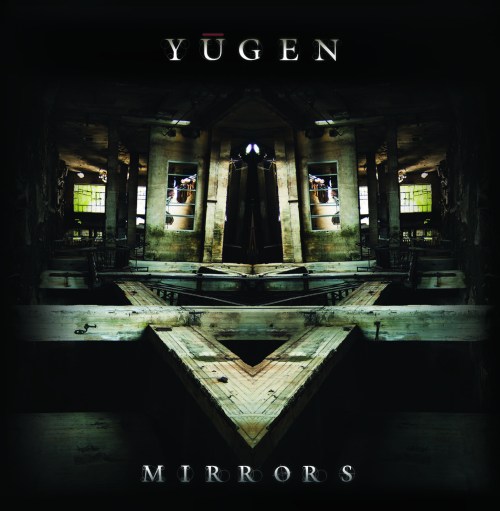
Presented in a visually stylish package with outstanding artwork and photography (courtesy of Paolo Botta, Lutz Diehl and Alessandro Achilli), as well as Sid Smith’s thought-provoking liner notes, Mirrors captures one of the foremost standard-bearers of contemporary cutting-edge progressive rock at the very height of its creative powers. Although the music may not always be what one would term accessible, even staunch followers of the more traditional branches of prog might find something to appreciate in the album’s pristine beauty. An absolute must for fans of RIO/Avant –Prog and chamber rock, Mirrors is sure to go down as one of the standout releases of 2012.

Links:
http://us.myspace.com/yugenband

https://www.facebook.com/Yugentheband

http://production.altrock.it/

Read Full Post »

cover_large

TRACKLISTING:
1. There Is a War Going On (3:22)
2. Jalal (7:16)
3. No More Quarrel With the Devil (4:41)
4. Rising Upon Clouds (5:41)
5. Purple Haze (4:47)
6. The Invitation (4:03)
7. Mercy, Pity, Peace & Love (12:14)
8. There Is a War Going On (reprise) (1:18)
9. Tears Before Bedtime (2:44)
10. The Human Abstract (6:24)
11. No More Quarrel With the Devil (reprise) (1:14)
12. Mercury (4:19)
13. Goodbye My Fellow Soldier (9:10)

LINEUP:
Alex Maguire – keyboards, sequencer
Michel Delville – guitar, Roland GR09, samples
Tony Bianco – drums, sequencer

Three years after the release of their debut, Never Pet a Burning Dog (with Canterbury legend Richard Sinclair guesting on three tracks), multinational trio douBt are back with a new album whose title of Mercy, Pity, Peace & Love comes from “The Divine Image”, one of the poems in William Blake’s inspirational Songs of Innocence and Experience. The album, recorded in 2011, was released in the autumn of 2012. The three band members – British keyboardist Alex Maguire, seasoned American drummer Tony Bianco and volcanic Belgian guitarist Michel Delville  – come from different yet complementary musical experiences, and have also collaborated on previous occasions (Delville and Bianco in Machine Mass Trio, Delville and Maguire on the Brewed in Belgium live album, released by Moonjune in 2008). Together they form an unconventional power trio, where the bass guitar is replaced by cutting-edge technology:  indeed, on Mercy, Pity, Peace & Love the role of technology as support to the explosive energy of rock is promoted with great effectiveness.

Just like its predecessor, Never Pet a Burning Dog (where the improvisational, free-jazz component was married to an unmistakable Canterbury influence), Mercy. Pity, Peace & Love sums up the current direction of Moonjune Records mainman Leonardo Pavkovic’s view of progressive music-making. Drawing upon rock, jazz, fusion, ambient and avant-garde with a fearlessly genre-bending attitude, the three band members bring their respective musical backgrounds to the table and merge them in a multifaceted yet cohesive whole. Tony Bianco’s jazz-inflected drumming is capable of understated finesse as well as muscular, propulsive power, and lays down a reliably eclectic foundation for the interplay between Alex Maguire’s fuzzy, slightly hoarse-sounding organ, reminiscent of Mike Ratledge’s unique tone, and Michel Delville’s dazzling guitar exertions.

Including parts of a recorded speech in an album is not a new device in rock music, and may come across either as a powerful statement of intent or as a rather cheap gimmick Here, the speech in question – delivered by firebrand US Senator Bernie Sanders – is focused on “class warfare” and the gradual disappearance of the middle class. The vintage psychedelic feel of the swirling organ and guitar fits the mood of the song perfectly, and is briefly reprised later in the album, reinforcing the sense of cohesiveness of the whole work. In a similar vein, the mid-paced yet raw-sounding “Tears Before Bedtime” and  a blistering cover of Jimi Hendrix’s iconic “Purple Haze” showcase Delville’s fierce, distorted guitar while emphasizing the remarkable synergy between the three musicians. Propelled by Bianco’s flawlessly dynamic drumming patterns, the  funky “Jalal” features stunning guitar and piano in an alternation of atmospheric and fiery moments.

Mercy, Pity, Peace & Love’s two “epics” – 12-minute title-track, strategically placed in the middle of the album, and  9-minute closing track “Goodbye My Fellow Soldier”-  highlight the fundamental influence of Soft Machine on douBt’s sound. Indeed, the  wailing keyboards and sinuous drumming of the former – bolstered by sampled strings at the onset, then allowed free rein –   bring to mind the legendary Canterbury outfit on steroids, while the latter takes a solemn, even somber direction, as hinted by the title. The angular, riff-driven opening of “No More Quarrel With the Devil” leads into a scorching guitar-organ duel that blends King Crimson and Deep Purple, while “Rising Upon Clouds” offers a surging, appropriately chaotic sonic description of a gathering storm that evokes Pink Floyd’s “A Saucerful of Secrets”. On the other hand, the band’s jazz matrix emerges clearly in the discreet, piano-led “Mercury” and the nostalgic, ballad-like “The Invitation”, where Delville’s beautifully melodic guitar is underpinned by understated drums and keyboards.. Finally in “The Human Abstract”, the instruments seem almost to be playing at odds, yet everything holds together, with electronics adding a spacey touch.

Combining outstanding musicianship, a healthy dose of eclecticism and plenty of emotion (which is not always the case with this kind of music),  Mercy, Pity, Peace & Love is riveting from start to finish, and – though clocking in at a rather hefty 67 minutes – never feels as padded or overstretched as other albums with a comparable running time. Highly recommended to all lovers of instrumental music, both of the rock and the jazz persuasion, Mercy, Pity, Peace & Love will equally appeal to fans of Soft Machine and Jimi Hendrix, and will definitely earn a mention in many a “best of 2012” list.

Links:
http://www.myspace.com/doubt3

http://www.moonjune.com

Read Full Post »

201153latheorie

TRACKLISTING:
1. Supernova (8:28)
2. Rêves Prémonitoires (6:46)
3. D’Hêtre À Être (9:47)
4. Singes (8:31)
5. Le Bas Art de l’Épouvante (8:11)
6. Berceuse Moderne (7:06)
7. Renaissances (9:51)

LINEUP:
Mathieu Torres – guitar
Tadzio Gottberg – drums
Stéphanie Artaud – piano

With:
Maxime Jaslier – saxophone (2), bass guitar (6)

With a name taken from theoretical physics,  which in English translates as “string theory” (particularly suited to a musical venture), French band La Théorie des Cordes started out as a trio in 2010. Their debut album, Premières Vibrations, released in 2011 on Musea Records, was recorded with a fourth musician, Maxime Jaslier, guesting on two tracks. In the summer of 2012, the band’s core members – guitarist Mathieu Torres and pianist Stéphanie Artaud – were joined by drummer Ophélie Luminati (who replaced original member Tadzio Gottberg), reedist/percussionist Julien Langlois and bassist George Storey, so that the trio has now become a quintet. In the meantime, La Théorie des Cordes have started recording their second album, titled Singes Electriques, and have also been busy on the live front. Their schedule for 2013 includes a slot at the prestigious Crescendo festival in the month of August.

La Théorie des Cordes call themselves “a creative family”, and theirs is a multifaceted concept, involving the use of elaborate stage costumes, the realization of videoclips, and  a lavishly illustrated CD booklet in which a set of  high-sounding “lyrics” explains each of the completely instrumental tracks. Indeed, Premières Vibrations comes across as a very ambitious project. In spite of their obvious youth, the band members are extremely accomplished, and their music – an elegant, deeply melodic form of jazz-rock with an appealingly warm Latin tinge, and occasional forays into edgier territory – relies on a rather idiosyncratic configuration that rules out the bass guitar (here only present in one out of seven tracks), and hinges on the scintillating interplay of Stéphanie Artaud’s piano and Mathieu Torres’ guitar.

Clocking in at around 58 minutes, and featuring 7 tracks with an average running time of 8 minutes, Premières Vibrations is not excessively long for today’s standards, and does not outstay its welcome. On the other hand, while the music is overall very pleasing to the ear, with a smooth, natural flow, it sometimes gives the same impression as those stories whose author likes to use a lot of words to express a relatively straightforward concept. The tracks all share a similar structure, alternating slower and faster sections in which guitar and piano take turns into the spotlight, with drums providing a dynamic and often inventive rhythmic accompaniment  – sometimes resulting in a loose, almost rambling feel.

Opener “Supernova” aptly exemplifies the album’s general direction, introducing the instruments almost tentatively, and then gradually building up, with Mathieu Torres’ brilliant guitar neatly meshing with fluid piano. The Latin-flavoured “Rêves Premonitoires” is enhanced by the presence of Maxime Jaslier’s saxophone, which duets with the two main instruments adding depth of expression to the sound. At almost 10 minutes, the sedate, vaguely somber “D’Hêtre À Être”, is perhaps a tad overlong and somewhat monotonous, though picking up towards the end; while “Singes”, enhanced by electric piano and echoing effects that oddly reminded me of Pink Floyd, blends a haunting atmosphere with some harder-edged moments.

“Le Bas Art de l’Épouvante” marks a sharp change of mood, with its almost cinematic sweep and dramatic tempo shifts, pauses of respite followed by piercing guitar and cascading piano. As its title (“modern lullaby”) implies, the jazzy “Berceuse Moderne” is stately and soothing, with discreet drumming and bass adding some bottom end to the airy exertions of the guitar and piano. Finally, “Renaissance” pushes the heavier elements to the fore – especially those guitar riffs that had been lurking in the background in some of the previous tracks – evoking comparisons with King Crimson circa Thrak and The Power to Believe.

In spite of the misgivings previously expressed on some aspects of the composition, Premières Vibrations contains some fine music that is likely to please fans of classic jazz-rock, especially those who prize melody as well as technical skill. Thankfully the album is devoid of that deplorable tendency to show off that sometimes mars other releases in the same vein, though La Théorie des Cordes should keep a tighter rein on the compositional aspect. In any case, the album is a rewarding listen, and a promising debut from a group of excellent musicians.

Links:
http://www.latheoriedescordes.com

http://www.myspace.com/theoriedescordes

http://www.musearecords.com

Read Full Post »

TRACKLISTING:
1. Houndstooth Pt. 1 (4:04)
2. Houndstooth Pt. 2 (5:29)
3. Expo ’67 (5:04)
4. Flossing With Buddha (4:35)
5. Message From Uncle Stan: Grey Shirt (8:29)
6. Message From Uncle Stan: Green House (3:49)
7. Saffron Myst (4:02)
8. Aqua Love Ice Cream Delivery Service (7:46)

LINEUP:
Graham Epp – electric guitars, MicroMoog, Farfisa Organ, Farf Muff, ARP String Ensemble, Korg MS2000, electric and acoustic pianos
Jesse Warkentin – electric guitars, MicroMoog, Farfisa Organ, Farf Muff, ARP String Ensemble, Korg MS2000, electric and acoustic pianos
Scott Ellenberger –  electric and acoustic bass, Briscoe organ, percussion
Andy Rudolph – drums, percussion, electronics

With:
Eric Lussier – harpsichord (8)

At the end of February 2012, Mahogany Frog played two dates in the Brazilian metropolis of São Paulo – one of the largest cities in the world, and the birthplace of Formula One driver Ayrton Senna, who died in a tragic accident in 1994. The sixth album of the Canadian quartet is dedicated to this legendary figure, who enjoys the status of national hero in his native country.

Based in Winnipeg (Manitoba), and named after an amphibian from south-east Asia, Mahogany Frog have been together since the late Nineties, and released six albums with different lineups – founders Jesse Warkentin and Graham Epp being the only constant members of the band. Senna, released in September 2012 by New York label Moonjune Records, comes four years after DO5, their first album for Moonjune. Besides their recording activity, Mahogany Frog are quite busy on the live front, gigging regularly in Canada and occasionally elsewhere: in 2010 they were invited to perform at the 16th edition of ProgDay, and wowed the crowd with their unique brand of wildly eclectic instrumental progressive rock.

Before Senna’s release, Mahogany Frog had undergone another lineup change, as drummer Jean-Paul Perron (who had been with the band since its inception) was replaced with Andy Rudolph, an electronic performance artist whose expertise with drum machines as well as a traditional kit adds a keen contemporary edge to the jazz-tinged, psychedelic wall of sound produced by the band. With all members possessing multi-instrumentalist skills, and  switching effortlessly from keyboards (both analog and digital) to guitars and all sorts of cutting-edge electronic gadgets, Mahogany Frog’s music is at the same time cheerfully chaotic and sharply energizing –  a collection of soundscapes that throw together a multitude of influences with wild abandon and unabashed eclecticism, but also with a method to its madness. Not surprisingly, the band have managed to land concert opportunities that most prog bands can only dream of – and that in spite of the often counterproductive “progressive rock” tag. While paying homage to Seventies trailblazers such as Soft Machine and early Pink Floyd, Mahogany Frog also embrace modern trends such as post-rock and even techno and trip-hop, seasoning the heady brew of their sound with the ambient-like flavour of field recordings of birds and whales.

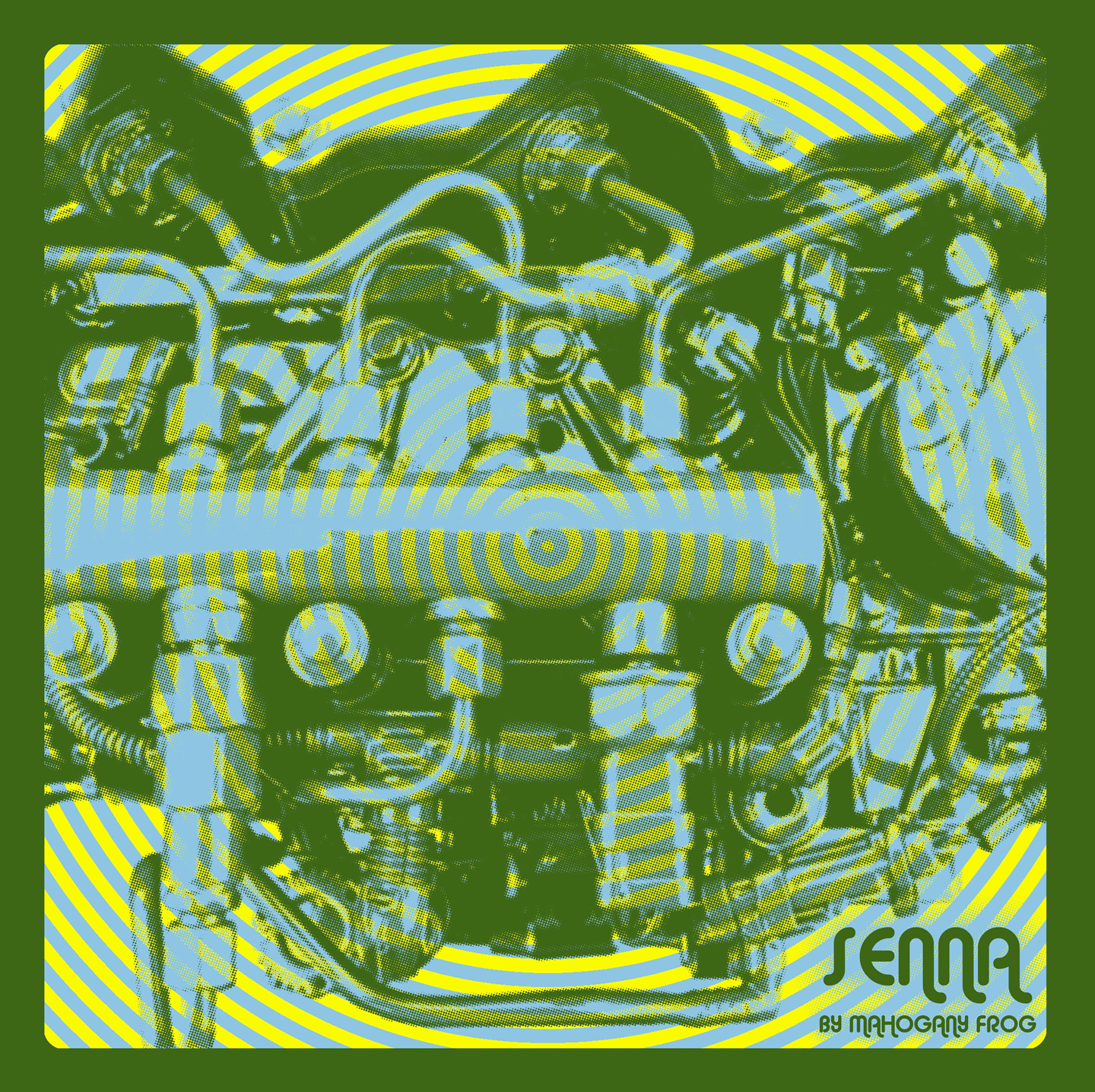
The juxtaposition of organic warmth and state-of-the-art technology is revealed right from  the intro of  “Houndstooth Pt 1”, suggesting the sound of an engine being started (in keeping with the album’s title and cover artwork). The solemn drone of the organ evokes Pink Floyd circa A Saucerful of Secrets, and the mix of piercing slide guitar, rugged riffing and wacky electronic effects rivets the attention. “Houndstooth Pt 2” pushes distorted, almost Hendrixian guitar chords to the fore with a strong space-rock matrix, mingled with an atmospheric surge propelled by Andy Rudolph’s authoritative drumming. The compact, dense riffing and whistling synth in “Expo ‘67” are tempered by organ sweeps redolent of The Doors and a clear, sharp guitar solo; while bucolic birdsong introduces the lively, dance-like pace of “Flossing With Buddha”, in which layers of keyboards are bolstered by Andy Rudolph’s powerful drums.

The second half of the album opens with the sparse texture of “Message From Uncle Stan: Grey Shirt” (the longest track on the album), resting on strident, almost industrial sound effects, but soon evolving into an exhilarating guitar duel, backed by assertive organ and clearly inspired by Ennio Morricone’s iconic style. The shorter “Message From Uncle Stan: Green House” starts out slowly with a faintly ominous, spacey drone, then the organ signals a sudden, crescendo-like change of pace. Then, after the brief respite of the airy, electronic mood piece of “Saffron Myst”, chaos erupts with “Aqua Love Ice Cream Delivery Service”, where buzzing feedback and metal-tinged riffing coexist with a field recording of whales, as well as an unexpected harpsichord finale with an elegant, almost classical lilt.

Clocking in at a very restrained 43 minutes, with only one of the 8 tracks exceeding the 8-minute mark, Senna makes the most of its highly concentrated musical content, striking a nearly perfect balance between inventiveness and sheer energy – a rare achievement even for an all-instrumental album. It also shows a band at the top of their game, whose expressive power seems to have been honed by their four-year break between albums. Indeed, Mahogany Frog deliver the kind of music that has the potential to appeal to a large cross-section of the non-mainstream audience – not just dyed-in-the-wool prog fans, but also those who actually believe in the original meaning of that pesky “progressive” word. A highly recommended album, Senna is definitely one of the most consistently strong releases of the year.

Links:
http://www.mahoganyfrog.com

http://www.myspace.com/mahoganyfrog

http://www.moonjune.com

Read Full Post »

« Newer Posts - Older Posts »