Feeds:
Posts
Comments

Archive for the ‘Progressive Rock’ Category

1505

No doubt about it: 2012 was a difficult year for most of us. True to the Italian saying about leap years being unlucky, 2012 ran the gamut from weather-related disasters, wars and other acts of random violence to political malfunction and economic near-collapse, sparing almost no part of the world. There was no lack of disruption in my own little world either. In spite of all my good resolutions, the year started with a few weeks of less than stellar physical condition (nothing serious, but enough to grind most of my projects to a halt), and then I was hit by a double-whammy of bureaucracy-related problems that –  while obviously not tragic – caused enough distress to cast a pall over the remaining months.

It is not surprising, therefore, that in 2012 I have been less prolific a reviewer than in previous years, or that the views on this blog have somehow decreased, though not dramatically so. Constant stress can wreak havoc on inspiration, and at times it was hard to come up with a coherent sentence – let alone an 800-word review. However, in spite of the seemingly endless stream of worry and general annoyance, music has remained a source of delight and (as the title of this essay points out) comfort when things got really tough.

The number of progressive rock-related albums released during 2012 was nothing short of staggering. The second decade of the 21st century started indeed with a bang in 2011, and, at least for the time being, the trend does not show any signs of being reversed. Many of those albums were made available for streaming (at least for a limited time) by websites such as Progstreaming, Bandcamp or Soundcloud, allowing the often cash-strapped fans a “test run”. On the other hand, the sheer volume of new releases made it necessary to pick and choose to avoid being overwhelmed. While confirming the vitality of the genre, this also showed one of the downsides of the digital age – the oversaturation of the market, and frequent lack of quality control.

As my readers know, I do not do “top 10/20/50/100” lists, leaving this exercise to people who are interested in arranging their choices according to a more or less strict order of preference. From my perspective, there have been milestone releases, and others that – while perhaps not equally memorable – still deserve a mention. On any account, even more so than in the previous year, 2012 has emphasized the ever-widening gulf between the retro-oriented and the forward-thinking components of the prog audience. Sometimes, while looking at the reviews pages of some of the leading websites of the genre, I have had the impression that (to paraphrase Rudyard Kipling) the twain shall hardly ever meet. In the US, such a split has been detrimental to the festival scene – though the void left by NEARfest’s demise may lead organizers to step out of their typical audience’s comfort zone in order to attract a more diverse crowd.

Though I am most familiar with albums that I have reviewed, or otherwise own, there are others that have left enough of an impression to deserve a mention in this post. As my choices have been mainly informed by personal taste, I will apologize beforehand for any major omissions. While I may consider those albums essential listening, some of my readers will certainly disagree with me, and suggest their own personal picks –and this is exactly how things should be. Indeed, as the French would say, vive la différence!

Although I have built a reputation as a fan of the more “difficult” stuff, one of my favourite albums of the year (and one that is likely to be featured in many top 10 lists) is an album that, in many respects, is not even “prog” in the conventional sense of the word. However, Echolyn’s self-titled eighth studio album – unlike so many true-blue prog releases – is a masterpiece of songwriting, instrumentally tight without any concessions to self-indulgence, and packing a huge emotional punch. Another highly awaited, almost unexpected comeback – 18 years after the band’s previous studio effort – Änglagård’s third studio album, Viljans Öga, reveals a keen, almost avant-garde edge beneath its pastoral surface, well highlighted in their impeccable NEARfest appearance.

2012 was a milestone year for what I like to call the “new frontier” of prog – less focused on epic grandeur and more song-oriented. In the second decade of the 21st century, “progressive rock” and “song” are not antithetic concepts any longer, and going for 5 minutes instead than 15 is not a sign of sell-out. Three albums in particular stand out: 3RDegree’s The Long Division, a perfect combination of great melodies, intelligent lyrics and outstanding musicianship with the added value of George Dobbs’ Stevie Wonder-influenced vocals; the Magna Carta reissue of MoeTar’s 2010 debut From These Small Seeds, a heady blend of catchy hooks, edgier suggestions and Moorea Dickason’s stellar, jazz-inflected voice; and Syd Arthur’s delightful “modern Canterbury” debut, On And On – infused with the spirit of early Soft Machine and Pink Floyd.

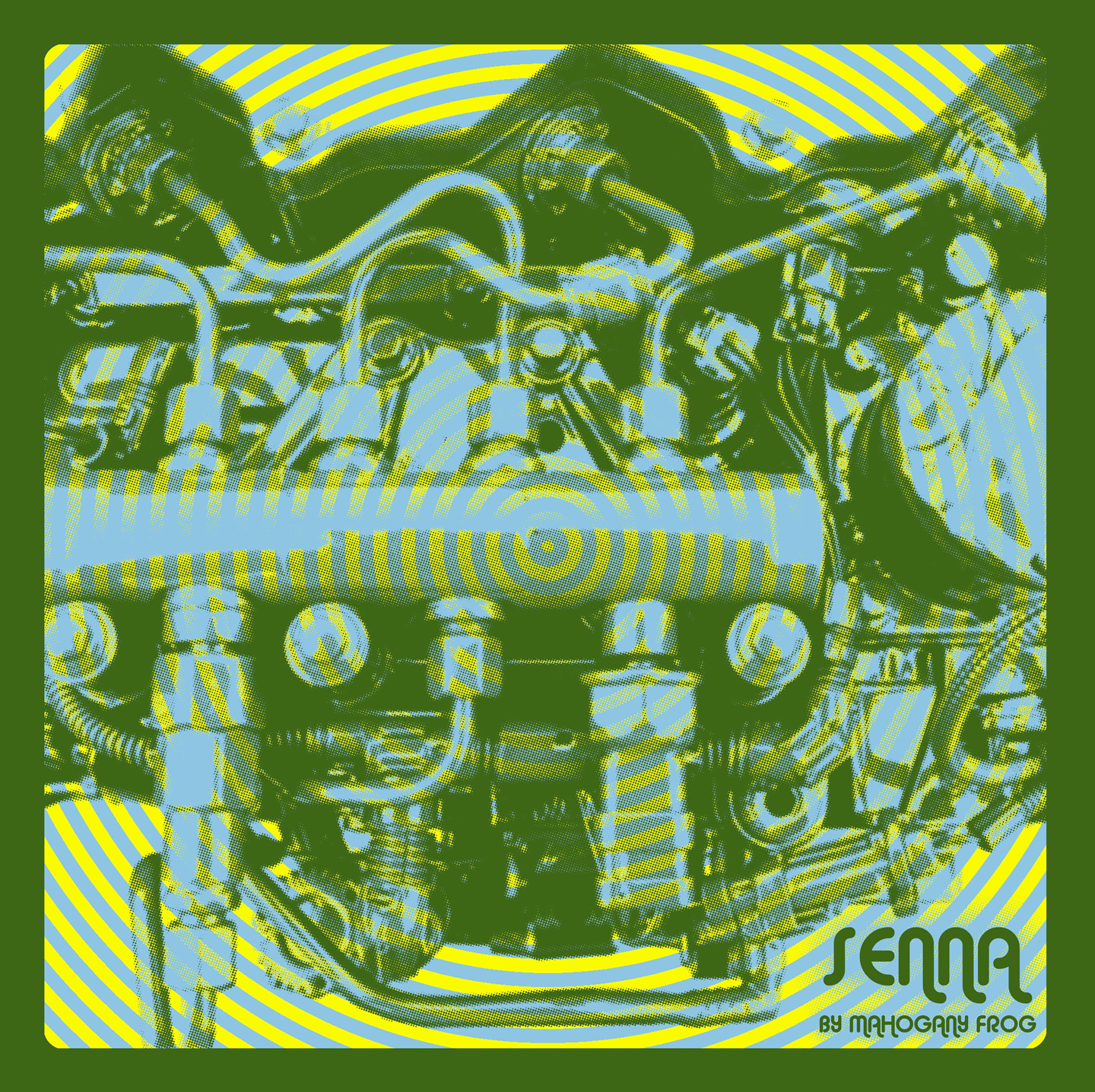
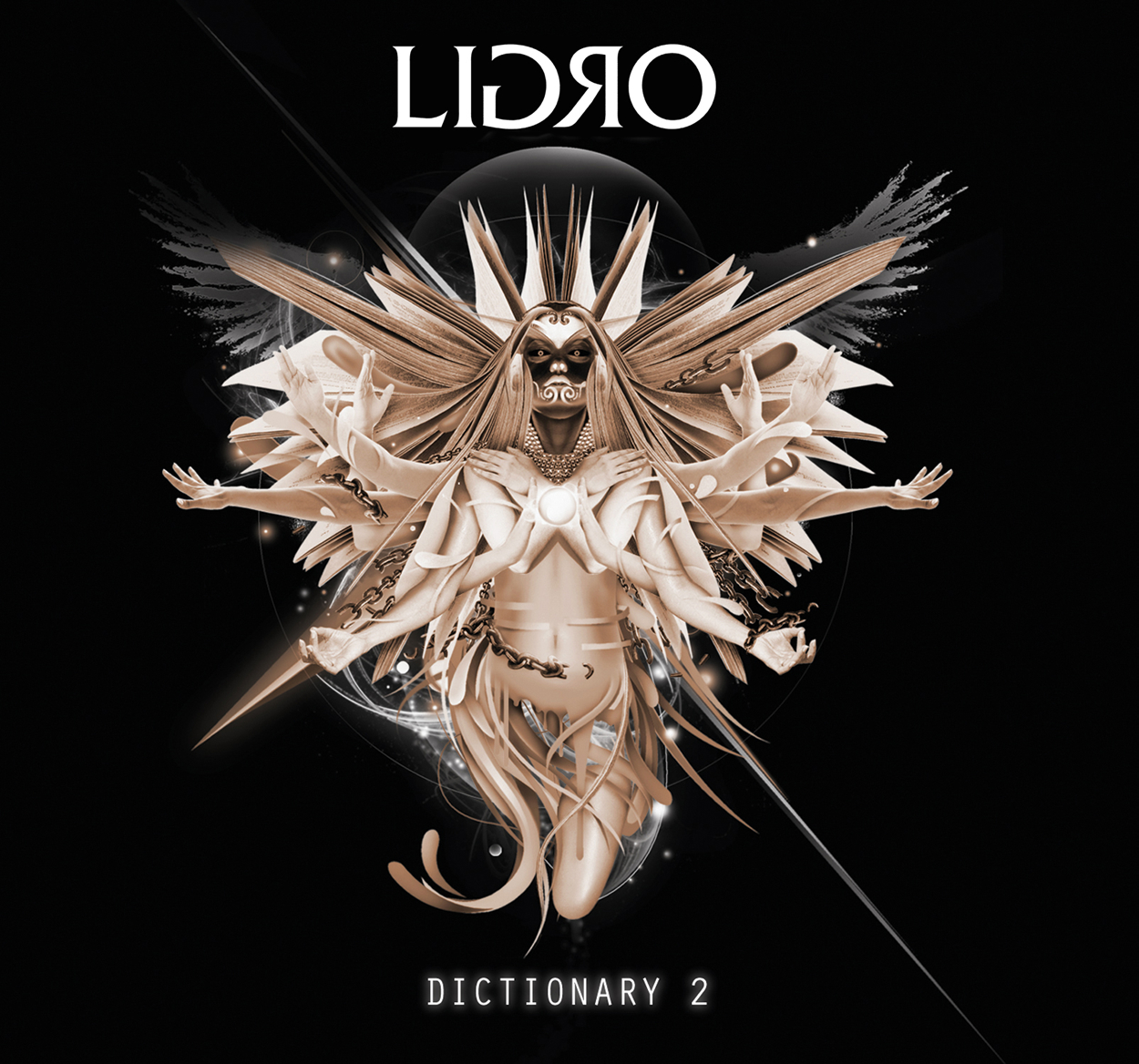
As in the previous years, in 2012 the ever-growing instrumental prog scene produced some outstanding albums. Canadian multi-instrumentalist Dean Watson wowed devotees of high-energy jazz-rock with Imposing Elements, the second installment of his one-man project – inspired by the industrial Gothic paintings of Toronto-based artist Ron Eady. In the early months of 2012, French seven-piece Forgas Band Phenomena made a triumphant recording comeback with the exhilaratingly accomplished Acte V. Another two excellent Cuneiform releases, Ergo’s second album If Not Inertia and Janel & Anthony’s lovely debut, Where Is Home, while not immediately approachable, will gradually win over the discerning listener with their deep emotion and lyricism. In a similar vein, A Room for the Night by drummer extraordinaire John Orsi (the mind behind Providence-based collective Knitting By Twilight) provides a veritable aural feast for percussion lovers. On the cusp of prog, jazz and metal, the aptly-titled Brutal Romance marks the thunderous return of ebullient French power trio Mörglbl, led by Christophe Godin’s humour-laden guitar acrobatics. Leonardo Pavkovic’s Moonjune Records specializes in instrumental music of a consistently high standard of quality, and this year’s landmark releases were no exception: Indonesian powerhouses Ligro (Dictionary 2) and Tohpati Bertiga (Riot), Canadian quartet Mahogany Frog’s rivetingly eclectic Senna, and douBt’s towering Mercy, Pity, Peace & Love – all of them true melting pots of rock, jazz, avant-garde and psychedelia. Also very much worthy of exploration, Kotebel’s Concert for Piano and Electric Ensemble revisits and updates the marriage of classical music and progressive rock with a heady dose of traditional Spanish flavour.

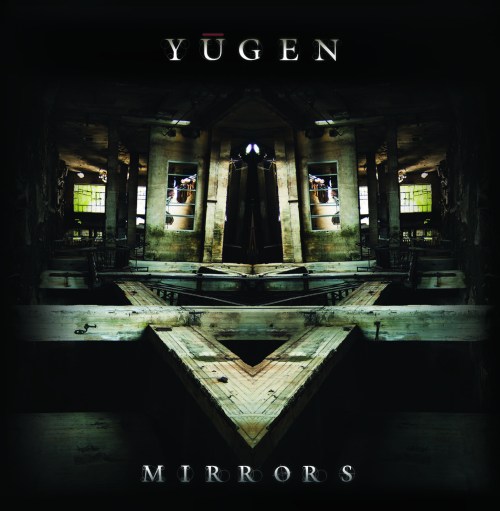
The left-field fringe of the progressive rock spectrum was spearheaded by the tireless efforts of dedicated labels such as Cuneiform Records and AltrOck Productions. One of  2012’s musical milestones – the long-awaited sixth studio album by seminal US Avant outfit Thinking Plague, titled Decline and Fall – was released in the very first weeks of the year. Mike Johnson’s monumentally intricate, intensely gloomy reflection on humankind’s impending Doomsday was complemented by a Thinking Plague-related project of a vastly different nature  – the charming, Old-World whimsy of 3 Mice’s Send Me a Postcard, Dave Willey and Elaine Di Falco’s transatlantic collaboration with Swiss multi-instrumentalist Cédric Vuille. By an intriguing coincidence, almost at the tail end of the year came the stunning live album by one of the foremost modern RIO/Avant outfits, Yugen’s Mirrors – recorded at the 2011 edition of the Rock in Opposition festival in Carmaux (France). A special mention is also deserved by Cuneiform’s touching tribute to RIO icon Lars Hollmer, With Floury Hand (sketches), released four years after the artist’s untimely passing.

On the Zeuhl front, founding fathers Magma made their comeback with the short and unusually low-key Félicité Thosz, proving once again Christian Vander’s versatility and seemingly endless reservoir of ideas; while the US produced an astonishing example of Zeuhl inspired by Aztec mythology – multi-national outfit Corima’s second album Quetzalcoatl. Eclectic albums such as Cucamonga’s Alter Huevo, Inner Ear Brigade’s Rainbro (featuring another extremely talented female vocalist, Melody Ferris) and Stabat Akish’s Nebulos – as well as chamber-rock gems such as Subtilior’s Absence Upon a Ground  and AltrOck Chamber Quartet’s Sonata Islands Goes RIO – reinforced AltrOck’s essential role in the discovery of new, exciting talent on the cutting edge of the progressive rock scene. Also worthy of a mention as regards the Avant-Progressive field are the politically-charged Songs From the Empire by Scott Brazieal, one of the founding fathers of the US Avant scene; the exhilarating Sleep Furiously by English outfit Thumpermonkey;  the wacked-out return of cult Finnish band Alamaailman Vasarat, titled Valta; and French quartet Jack Dupon’s energetic double live CD set, Bascule A Vif . The Avant-Progressive scene was also celebrated in the second episode of José Zegarra Holder and Adele Schmidt’s documentary film series dedicated to progressive rock , Romantic Warriors II – About Rock in Opposition.

The year was also noted for hotly anticipated comebacks from high-profile acts:  first of all, Rush, who were also finally inducted in the Rock and Roll Hall of Fame, for the joy of their substantial following. Their Clockwork Angels, while not a life-altering masterpiece, is definitely their strongest effort in almost 20 years. 2012 also saw the release of Ian Anderson’s Thick As a Brick 2, mixed by none other than Steven Wilson (also responsible in 2012 for the 40th Anniversary edition of King Crimson’s seminal Larks’ Tongues in Aspic) – a solid, well-crafted album, though not on a par with the original. While King Crimson seem to have been put on hold indefinitely, Robert Fripp has not been idle, and the elegant Travis/Fripp CD/DVD package Follow offers a complete aural and visual experience – suitably rarefied yet spiked by almost unexpected electric surges – to diehard fans of the legendary guitarist.

On the “modern prog” front, standard-bearers The Mars Volta’s sixth studio album Noctourniquet marks a return to form for the band, as it is their tightest, most cohesive effort in quite a long time. The Tea Club’s third album, Quickly, Quickly, Quickly confirms the status of the New Jersey band (now a trio) as one of the most interesting modern outfits, with a respectful eye towards the golden age of the genre; while Gazpacho’s deeply atmospheric March of Ghosts offers another fine example of English label KScope’s “post-progressive” direction. In a more accessible vein, Canadian/Ukrainian duo Ummagma’s  pair of debut albums, Ummagma and Antigravity,  will appeal to fans of Kate Bush, Dead Can Dance and Cocteau Twins with their ethereal yet uplifting feel.

Though I cannot call myself a fan of progressive metal, the debut albums by female-fronted German band Effloresce (Coma Ghosts) and Israeli outfit Distorted Harmony (Utopia) made enough of an impression to deserve a mention here; while Diablo Swing Orchestra’s Pandora’s Piñata – the band’s most mature effort to date – transcends the boundaries of the genre.  At the very beginning of the year, Steve Brockmann and George Andrade’s opus AIRS: A Rock Opera updates the classic rock opera format while deftly avoiding the cheesiness of other similar efforts, concentrating on a moving tale of guilt and redemption interpreted by an array of considerable vocal and instrumental talent.

The thriving contemporary psychedelic/space rock scene also produced a slew of fine albums that combine modernity and eclecticism with an unmistakable retro touch: among many others, Øresund Space Collective’s mellow West, Space and Love, Earthling Society’s eerie pagan-fest Stations of the Ghost, Colour Haze’s Krautrock-influenced double CD set She Said, Diagonal’s fiery The Second Mechanism, Astra’s highly awaited (though to these ears not as impressive as the others) second album, The Black Chord. Fans of Krautrock, and Can in particular, should also check out Black and Ginger by Churn Milk Joan, one of the many projects by volcanic English multi-instrumentalist Colin Robinson (of Big Block 454 fame); while Australian band Tame Impala’s Lonerism will appeal to those who like psychedelic rock in a song-based format.

As prolific and varied as ever, the Italian progressive rock scene produced a number of remarkable albums ranging from the classic symphonic prog of Höstsonaten’s The Rime of the Ancient Mariner Pt. 1, Alphataurus’ comeback AttosecondO and Locanda delle Fate’s The Missing Fireflies (featuring both older and new material) to more left-field fare such as Nichelodeon’s live album NO, Stereokimono’s Intergalactic Art Café and Daal’s Dodecahedron. Another of Fabio Zuffanti’s many projects besides Höstsonaten, L’Ombra della Sera, presents an appealingly Gothic-tinged, almost completely instrumental homage to the soundtracks of cult Italian TV series of the Seventies. Aldo Tagliapietra’s Nella Pietra e Nel Vento, his first release after his split from Le Orme, a classy, prog-tinged singer-songwriter effort, boasts a splendid cover by Paul Whitehead. The prize of most impressive RPI album of the year, however, goes to Il Bacio della Medusa’s ultra-dramatic historical concept Deus Lo Vult, with side project Ornithos’ eclectic debut La Trasfigurazione a close second.

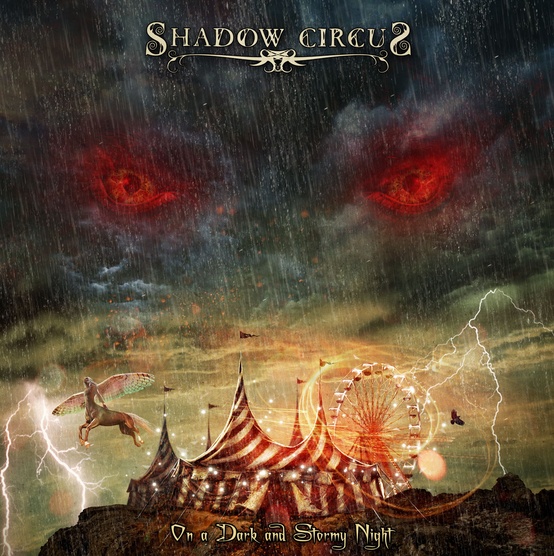
Of the many “traditional” prog albums released in 2012, one in particular stands out on account of its superb songwriting: Big Big Train’s English Electric Pt 1, an effort of great distinction though not as impressive as its predecessor, 2009’s The Underfall Yard. Autumn Chorus’ debut The Village to the Vale also celebrates the glories of England’s green and pleasant land with a near-perfect marriage of pastoral symphonic prog and haunting post-rock; while Israeli outfit Musica Ficta’s A Child & A Well (originally released in 2006) blends ancient and folk music suggestions with jazz and symphonic prog. Released just three weeks before the end of the year, Shadow Circus’ third album, On a Dark and Stormy Night (their first for 10T Records), based on Madeleine L’Engle’s cult novel A Wrinkle in Time, fuses symphonic prog with classic and hard rock in an exhilarating mixture. On the other hand, Pacific Northwest trio Dissonati’s debut, Reductio Ad Absurdum, gives classic prog modes a makeover with influences from new wave and avant-garde. Highly touted outfit District 97’s sophomore effort, Trouble With Machines, proves that the Chicago band is much more than a nine days’ wonder, showcasing their  tighter songwriting skills, as well as vocalist/frontwoman Leslie Hunt’s undeniable talent and charisma.

With such a huge wealth of releases, it was materially impossible for me to listen to everything I would have wanted to, and my personal circumstances often impaired my enjoyment of music, as well as my concentration. Among the releases of note that I missed in 2012 (though I still hope to be able to hear in 2013), I will mention Beardfish’s The Void, Anathema’s Weather Systems, Dead Can Dance’s comeback Anastasis, Godspeed You! Black Emperor’s Allelujah! Don’t Bend! Ascend! (another comeback, released after a 10-year hiatus), AranisMade in Belgium, The Muffins’ Mother Tongue, Alec K. Redfearn and the EyesoresSister Death, and Motorpsycho’s The Death-Defying Unicorn. All of these albums have been very positively received by the prog community, even if they will not necessarily appeal to everyone.

As was the case with my 2011 retrospective, quite a few highly acclaimed prog albums will be missing from this article. This implies no judgment in terms of intrinsic quality, but is simply determined by personal taste. Albums such as The Flower KingsBanks of Eden, Marillion’s Sounds That Can’t Be Made or IZZ’s Crush of Night (to name but three) –although thoroughly professional and excellent from a musical point of view – failed to set my world on fire. A pure matter of chemistry – as further demonstrated by my lack of enthusiasm for Storm Corrosion’s self-titled album (which reflected my reaction to Steven Wilson’s Grace for Drowning in 2011), or Mike Keneally’s undoubtedly outstanding Wing Beat Fantastic, co-written with Andy Partridge of XTC fame.

2012 was also a great year for live music, with both big names and new talent hitting the road. While we missed some of the former (such as Rush and Peter Gabriel), as well as this year’s edition of RoSfest,  the one-two punch of NEARfest Apocalypse and ProgDay 2012 more than made up for it. Unfortunately, the all-out Seventies bash named FarFest, organized by a veteran of the US prog scene such as Greg Walker, and planned for early October 2012 – was cancelled due to poor ticket sales, reinforcing the impression that the era of larger-scale prog festivals may well be coming to an end (in spite of the announcement of Baja Prog’s return in the spring of 2013). On the other hand, the much less ambitious ProgDay model is likely to become the way forward, as are the smaller, intimate gigs organized by people such as Mike Potter of Orion Studios, the NJ Proghouse “staph”, and our very own DC-SOAR.

With an impressive list of forthcoming releases for every progressive taste, 2013 looks set up to be as great a year as the previous two. In the meantime, we should continue to support the independent music scene in our best capacity – not just by buying albums or writing about them, but also attending gigs and generally maintaining a positive, constructive attitude. I would also like to thank all my friends and readers for their input and encouragement, which has been invaluable especially whenever the pressures of “real life” became too hard to bear. If this piece has seen the light of day, it is because you have made me feel that it was still worth it.
Read Full Post »

yugen mirrors

TRACKLISTING:
1. On the Brink (0:59)
2. Brachilogia7  (3:09)
3. Catacresi5 (6:39)
4. La Mosca Stregata ( 0:57)
5. Overmurmur (5:30)
6. Industry (7:50)
7. Cloudscape (10:38)
8. Ice (1:55)
9. Becchime (12:38)
10. Corale Metallurgico (9:19)

LINEUP:
Paolo Ske Botta – organ, electric piano, synth
Valerio Cipollone – soprano sax, clarinets
Jacopo Costa – marimba, vibes
Maurizio Fasoli – piano
Matteo Lorito – bass
Michele Salgarello – drums
Francesco Zago – guitar

Founded in 2004 in Milan (Italy) by guitarist/composer Francesco Zago and AltrOck Productions mainman Marcello Marinone, Yugen (a core concept of  Japanese aesthetics that can be roughly translated as “profound grace and beauty”) took the progressive rock scene by storm with the 2006 release of their debut album, Labirinto d’Acqua – a supremely accomplished slice of chamber rock following in the footsteps of the original Rock in Opposition movement. Their second album, Uova Fatali, came two years later, and was based on music composed by Stormy Six’s Tommaso Leddi; while their third effort, Iridule (2010), was widely hailed as a masterpiece of the RIO/Avant subgenre.

An ensemble rather than a conventional band, Yugen revolve around a core group of Zago, keyboardist Paolo Ske Botta (often mentioned in this blog for his work as AltrOck’s in-house graphic artist) and pianist Maurizio Fasoli, joined in 2008 by reedist Valerio Cipollone, and augmented by a number of high-profile guest artists (including  mainstays of the US Avant Progressive scene such as Dave Kerman, Dave Willey, Elaine DiFalco and Mike Johnson,  and Guy Segers of Univers Zéro fame) In September 2011, almost exactly one year after Iridule’s release, the band appeared at the fourth edition of the Rock in Opposition festival, organized in the southern French town of Carmaux. Their performance as a seven-piece –a short excerpt of which is featured in Adele Schmidt and José Zegarra Holder’s documentary Romantic Warriors II – was captured on CD with the assistance of Orion Studios owner Mike Potter, and released at the tail end of 2012 with the title of Mirrors.

Though some may have wondered about Yugen’s ability to recreate Zago’s astonishingly intricate, painstakingly orchestrated compositions as a mere seven-piece rather than as an ensemble of up to 18 musicians (as in their studio albums), any doubts will immediately be dispelled by the sheer quality of the performances recorded on Mirrors. In spite of the constraints –  such as the allegedly short time dedicated to rehearsal – the band as a whole handle the complexities of the music with remarkable flair, without sounding cold or clinical as the highbrow quality of the material might suggest. While Zago’s main sources of inspiration as a composer (as pointed out by Sid Smith in his excellent liner notes) lie in both Renaissance and 20th-century classical music, his earlier rock roots often surface. His dense guitar riffs provide a backdrop for the constantly shifting dialogue between reeds and keyboards, bolstering the impeccable work of Michele Salgarello and Matteo Lorito’s rhythm section – which tackles daunting tempo changes with admirable composure. The music blends sharp angles and smooth curves, flowing naturally even at its most intricate, with melody lurking in the most unexpected places and revealing the unmistakable Italian imprint of this quintessentially cosmopolitan outfit.

The almost 60-minute album features 10 tracks drawn from Labirinto d’Acqua and Iridule, rearranged so as to adapt to the more rigid configuration of a live band. The longest, more intense compositions are concentrated in the second half of the album, which is introduced by a stunning version of Henry Cow’s iconic “Industry” (from the English band’s final release, 1979’s Western Culture). With their deeply intellectual titles reflecting the nature of the music, the compositions are arrestingly complex, though with a sense of organic warmth that is sometimes lacking in the production of highly celebrated bands belonging to the same movement.

Introduced by the dramatic drums and piercing, sustained guitar of “On the Brink”, the set unfolds with two tracks from Labirinto d’Acqua. The shorter “Brachilogia” weaves a sinuous, slightly dissonant tune, beefed up by guitar riffs and high-energy drumming, in which clarinet and marimba share the spotlight, interspersed by subdued piano passages; while “Catacresi” fully deploys Paolo Botta’s arsenal of keyboards, ranging from the sharp whistle of the synth to airy, atmospheric passages that would not be out of place on a Genesis album, creating a sort of cinematic tension. The instruments at times converge in perfect unison, at others pursue their individual paths, though with a constantly perceptible sense of inner discipline.

After the brief respite of “La Mosca Stregata”, “Overmurmur” barges in with an almost strident, apparently chaotic development, each instrument thrown in sharp relief, gradually mellowing out towards the end. The aforementioned “Industry” renders the martial, intense mood of the original, though softening its abrasive quality and spotlighting the deep, slightly hoarse rumble of the organ. On the other hand, “Cloudscape” reveals a different facet of Zago’s creative inspiration, its 10 minutes a masterpiece of skillfully handled atmospherics that paint a breathtaking sonic picture of the title. The track develops fluidly and elegantly, its sounds beautiful and melodic albeit not in a conventional, mainstream sense, slowing down almost to a whisper before the end. In the short, entrancing “Ice” – originally conceived as a showcase for Elaine DiFalco’s distinctive contralto, with lyrics by Nobel Prize winner Seamus Heaney  – the vocals are replaced with a wistful clarinet line redolent of Debussy, preparing the listener for the one-two punch of “Becchime” and “Corale Metallurgico”. The former is the kind of composition that is likely to send fans of melodic prog running for the exits, and makes indeed for demanding listening. Unabashedly cerebral and gloriously intricate (and twice as long as the studio version featured on Iridule) its multiple, angular twists and turns and bristling sound effects evoke the squawking of the chickens referenced in the title (becchime means “chicken feed” in Italian). Also true to its title, album closer “Corale Metallurgico” conveys a powerful industrial feel, with peaks of intensity ebbing into rarefied pauses, and moments of almost unbridled chaos suddenly morphing into a dynamic flow.

Presented in a visually stylish package with outstanding artwork and photography (courtesy of Paolo Botta, Lutz Diehl and Alessandro Achilli), as well as Sid Smith’s thought-provoking liner notes, Mirrors captures one of the foremost standard-bearers of contemporary cutting-edge progressive rock at the very height of its creative powers. Although the music may not always be what one would term accessible, even staunch followers of the more traditional branches of prog might find something to appreciate in the album’s pristine beauty. An absolute must for fans of RIO/Avant –Prog and chamber rock, Mirrors is sure to go down as one of the standout releases of 2012.

Links:
http://us.myspace.com/yugenband

https://www.facebook.com/Yugentheband

http://production.altrock.it/

Read Full Post »

cover_large

TRACKLISTING:
1. There Is a War Going On (3:22)
2. Jalal (7:16)
3. No More Quarrel With the Devil (4:41)
4. Rising Upon Clouds (5:41)
5. Purple Haze (4:47)
6. The Invitation (4:03)
7. Mercy, Pity, Peace & Love (12:14)
8. There Is a War Going On (reprise) (1:18)
9. Tears Before Bedtime (2:44)
10. The Human Abstract (6:24)
11. No More Quarrel With the Devil (reprise) (1:14)
12. Mercury (4:19)
13. Goodbye My Fellow Soldier (9:10)

LINEUP:
Alex Maguire – keyboards, sequencer
Michel Delville – guitar, Roland GR09, samples
Tony Bianco – drums, sequencer

Three years after the release of their debut, Never Pet a Burning Dog (with Canterbury legend Richard Sinclair guesting on three tracks), multinational trio douBt are back with a new album whose title of Mercy, Pity, Peace & Love comes from “The Divine Image”, one of the poems in William Blake’s inspirational Songs of Innocence and Experience. The album, recorded in 2011, was released in the autumn of 2012. The three band members – British keyboardist Alex Maguire, seasoned American drummer Tony Bianco and volcanic Belgian guitarist Michel Delville  – come from different yet complementary musical experiences, and have also collaborated on previous occasions (Delville and Bianco in Machine Mass Trio, Delville and Maguire on the Brewed in Belgium live album, released by Moonjune in 2008). Together they form an unconventional power trio, where the bass guitar is replaced by cutting-edge technology:  indeed, on Mercy, Pity, Peace & Love the role of technology as support to the explosive energy of rock is promoted with great effectiveness.

Just like its predecessor, Never Pet a Burning Dog (where the improvisational, free-jazz component was married to an unmistakable Canterbury influence), Mercy. Pity, Peace & Love sums up the current direction of Moonjune Records mainman Leonardo Pavkovic’s view of progressive music-making. Drawing upon rock, jazz, fusion, ambient and avant-garde with a fearlessly genre-bending attitude, the three band members bring their respective musical backgrounds to the table and merge them in a multifaceted yet cohesive whole. Tony Bianco’s jazz-inflected drumming is capable of understated finesse as well as muscular, propulsive power, and lays down a reliably eclectic foundation for the interplay between Alex Maguire’s fuzzy, slightly hoarse-sounding organ, reminiscent of Mike Ratledge’s unique tone, and Michel Delville’s dazzling guitar exertions.

Including parts of a recorded speech in an album is not a new device in rock music, and may come across either as a powerful statement of intent or as a rather cheap gimmick Here, the speech in question – delivered by firebrand US Senator Bernie Sanders – is focused on “class warfare” and the gradual disappearance of the middle class. The vintage psychedelic feel of the swirling organ and guitar fits the mood of the song perfectly, and is briefly reprised later in the album, reinforcing the sense of cohesiveness of the whole work. In a similar vein, the mid-paced yet raw-sounding “Tears Before Bedtime” and  a blistering cover of Jimi Hendrix’s iconic “Purple Haze” showcase Delville’s fierce, distorted guitar while emphasizing the remarkable synergy between the three musicians. Propelled by Bianco’s flawlessly dynamic drumming patterns, the  funky “Jalal” features stunning guitar and piano in an alternation of atmospheric and fiery moments.

Mercy, Pity, Peace & Love’s two “epics” – 12-minute title-track, strategically placed in the middle of the album, and  9-minute closing track “Goodbye My Fellow Soldier”-  highlight the fundamental influence of Soft Machine on douBt’s sound. Indeed, the  wailing keyboards and sinuous drumming of the former – bolstered by sampled strings at the onset, then allowed free rein –   bring to mind the legendary Canterbury outfit on steroids, while the latter takes a solemn, even somber direction, as hinted by the title. The angular, riff-driven opening of “No More Quarrel With the Devil” leads into a scorching guitar-organ duel that blends King Crimson and Deep Purple, while “Rising Upon Clouds” offers a surging, appropriately chaotic sonic description of a gathering storm that evokes Pink Floyd’s “A Saucerful of Secrets”. On the other hand, the band’s jazz matrix emerges clearly in the discreet, piano-led “Mercury” and the nostalgic, ballad-like “The Invitation”, where Delville’s beautifully melodic guitar is underpinned by understated drums and keyboards.. Finally in “The Human Abstract”, the instruments seem almost to be playing at odds, yet everything holds together, with electronics adding a spacey touch.

Combining outstanding musicianship, a healthy dose of eclecticism and plenty of emotion (which is not always the case with this kind of music),  Mercy, Pity, Peace & Love is riveting from start to finish, and – though clocking in at a rather hefty 67 minutes – never feels as padded or overstretched as other albums with a comparable running time. Highly recommended to all lovers of instrumental music, both of the rock and the jazz persuasion, Mercy, Pity, Peace & Love will equally appeal to fans of Soft Machine and Jimi Hendrix, and will definitely earn a mention in many a “best of 2012” list.

Links:
http://www.myspace.com/doubt3

http://www.moonjune.com

Read Full Post »

201153latheorie

TRACKLISTING:
1. Supernova (8:28)
2. Rêves Prémonitoires (6:46)
3. D’Hêtre À Être (9:47)
4. Singes (8:31)
5. Le Bas Art de l’Épouvante (8:11)
6. Berceuse Moderne (7:06)
7. Renaissances (9:51)

LINEUP:
Mathieu Torres – guitar
Tadzio Gottberg – drums
Stéphanie Artaud – piano

With:
Maxime Jaslier – saxophone (2), bass guitar (6)

With a name taken from theoretical physics,  which in English translates as “string theory” (particularly suited to a musical venture), French band La Théorie des Cordes started out as a trio in 2010. Their debut album, Premières Vibrations, released in 2011 on Musea Records, was recorded with a fourth musician, Maxime Jaslier, guesting on two tracks. In the summer of 2012, the band’s core members – guitarist Mathieu Torres and pianist Stéphanie Artaud – were joined by drummer Ophélie Luminati (who replaced original member Tadzio Gottberg), reedist/percussionist Julien Langlois and bassist George Storey, so that the trio has now become a quintet. In the meantime, La Théorie des Cordes have started recording their second album, titled Singes Electriques, and have also been busy on the live front. Their schedule for 2013 includes a slot at the prestigious Crescendo festival in the month of August.

La Théorie des Cordes call themselves “a creative family”, and theirs is a multifaceted concept, involving the use of elaborate stage costumes, the realization of videoclips, and  a lavishly illustrated CD booklet in which a set of  high-sounding “lyrics” explains each of the completely instrumental tracks. Indeed, Premières Vibrations comes across as a very ambitious project. In spite of their obvious youth, the band members are extremely accomplished, and their music – an elegant, deeply melodic form of jazz-rock with an appealingly warm Latin tinge, and occasional forays into edgier territory – relies on a rather idiosyncratic configuration that rules out the bass guitar (here only present in one out of seven tracks), and hinges on the scintillating interplay of Stéphanie Artaud’s piano and Mathieu Torres’ guitar.

Clocking in at around 58 minutes, and featuring 7 tracks with an average running time of 8 minutes, Premières Vibrations is not excessively long for today’s standards, and does not outstay its welcome. On the other hand, while the music is overall very pleasing to the ear, with a smooth, natural flow, it sometimes gives the same impression as those stories whose author likes to use a lot of words to express a relatively straightforward concept. The tracks all share a similar structure, alternating slower and faster sections in which guitar and piano take turns into the spotlight, with drums providing a dynamic and often inventive rhythmic accompaniment  – sometimes resulting in a loose, almost rambling feel.

Opener “Supernova” aptly exemplifies the album’s general direction, introducing the instruments almost tentatively, and then gradually building up, with Mathieu Torres’ brilliant guitar neatly meshing with fluid piano. The Latin-flavoured “Rêves Premonitoires” is enhanced by the presence of Maxime Jaslier’s saxophone, which duets with the two main instruments adding depth of expression to the sound. At almost 10 minutes, the sedate, vaguely somber “D’Hêtre À Être”, is perhaps a tad overlong and somewhat monotonous, though picking up towards the end; while “Singes”, enhanced by electric piano and echoing effects that oddly reminded me of Pink Floyd, blends a haunting atmosphere with some harder-edged moments.

“Le Bas Art de l’Épouvante” marks a sharp change of mood, with its almost cinematic sweep and dramatic tempo shifts, pauses of respite followed by piercing guitar and cascading piano. As its title (“modern lullaby”) implies, the jazzy “Berceuse Moderne” is stately and soothing, with discreet drumming and bass adding some bottom end to the airy exertions of the guitar and piano. Finally, “Renaissance” pushes the heavier elements to the fore – especially those guitar riffs that had been lurking in the background in some of the previous tracks – evoking comparisons with King Crimson circa Thrak and The Power to Believe.

In spite of the misgivings previously expressed on some aspects of the composition, Premières Vibrations contains some fine music that is likely to please fans of classic jazz-rock, especially those who prize melody as well as technical skill. Thankfully the album is devoid of that deplorable tendency to show off that sometimes mars other releases in the same vein, though La Théorie des Cordes should keep a tighter rein on the compositional aspect. In any case, the album is a rewarding listen, and a promising debut from a group of excellent musicians.

Links:
http://www.latheoriedescordes.com

http://www.myspace.com/theoriedescordes

http://www.musearecords.com

Read Full Post »

TRACKLISTING:
1. Overture (8:09)
2. Daddy’s Gone (5:56)
3. Whosit, Whatsit and Which (6:33)
4. Make Way for the Big Show (8:42)
5. Tesseract (5:20)
6. Uriel (5:50)
7. Camazotz (6:22)
8. Ixchel (4:39)
9. The Battle for Charles Wallace (7:00)

LINEUP:
David Bobick – lead vocals
Jason Brower – drums, percussion, backing vocals
John Fontana – guitar, orchestral and incidental keyboards, keyboards (8)
Matt Masek – bass, cellos, backing vocals, 12-string guitar (2), nylon string guitar (8)
David Silver – keyboards

With:
Roo Brower – vocals (7, 8, 9)

Formed in 2006 in the New York/New Jersey area by guitarist/keyboardist John Fontana and vocalist David Bobick, Shadow Circus might have ended up as one of the many progressive rock projects limited to the four walls of a recording studio. Instead, right from day one, Fontana and Bobick’s vision involved a full-fledged band that would perform on stage as often as possible, emphasizing the theatrical component introduced in prog by Peter Gabriel-era Genesis (as well as some lesser-known outfits). Though not without hiccups (i.e. frequent lineup changes), the band have managed to hold to their initial aim, perfecting their stage craft whenever given the opportunity to play live.

Although often tagged as “retro-prog”, Shadow Circus are quite unlike the many outfits that sound like a tired retread of Seventies – albeit with a modern veneer. While their debut album, Welcome to the Freakroom, took an eclectic yet accessible approach, Whispers and Screams upped the ante in terms of “prog quotient”, half of it dedicated to the seven-part suite “Project Blue”, which, in its 34 minutes, summed up the band’s musical vision. On a Dark and Stormy Night (released on Georgia-based label 10T Records) takes up where “Project Blue” left off, expanding and developing the format in a compact 58 minutes, each track flowing organically into the other without any noticeable breaks, in classic “rock opera” style. Indeed, this is the first time  that the band have taken the “concept album” route, basing their third recording effort on Madeleine L’Engle’s young adult fantasy novel A Wrinkle in Time – a fitting tribute on the book’s 50th anniversary. Literary inspiration is a fil rouge that runs through Shadow Circus’ six-year history– starting with  the band’s own name, which references Ray Bradbury’s Something Wicked This Way Comes; additionally, “Project Blue” and “Journey of Everyman” (the 12-minute epic included on their debut album) are based on Stephen King’s The Stand and The Talisman.

Though concept albums as a whole, in spite of their enduring popularity with prog fans, can easily result in an overblown mess, Shadow Circus have navigated the potential pitfalls with admirable skill. The finished product is solid and cohesive, striking a fine balance between engaging melodies, fiery instrumental cavalcades and atmospheric, meditative moments. While a good proportion of the album is instrumental, the contrast with the generally catchier vocal parts is handled with a light touch, without creating the dreaded “patchwork” effect that mars many overly ambitious efforts.

Though Shadow Circus’ previous releases have often elicited comparisons to the obligatory Yes, Genesis and ELP (as well as more radio-friendly bands such as Kansas or Styx), On a Dark and Stormy Night develops the strong hard rock vein openly displayed on Whispers and Screams by tracks such as “Captain Trips” and “The Seduction of Harold Lauder”. In fact, the album’s core lies in remarkable synergy between John Fontana’s guitar – capable of sharpness, yet consistently melodic – and David Silver’s commanding keyboards, reminiscent of the epic duels between Ritchie Blackmore and Jon Lord immortalized by Deep Purple’s In Rock and Machine Head.

On a Dark and Stormy Night is bookended by two longish tracks with a deeply cinematic sweep, both of them referencing some of the main themes of the album. Introduced by ominous sounds of rain and thunder, “Overture” builds up slowly with orchestral grandeur and soaring guitar until it erupts in a wild guitar-organ ride in Deep Purple/Uriah Heep style. The following trio of songs showcase David Bobick’s confident delivery, rooted in AOR and classic rock rather than traditional prog. “Daddy’s Gone” juxtaposes a catchy, almost radio-friendly vein with a wistful note, enhanced by elegant piano and an emotional guitar solo at the end; while the jaunty pace and infectious chorus of “Whatsit, Whosit and Which” lead the way to a powerful Hammond solo. The longest track at over 8 minutes, “Make Way for the Big  Show”- based on a theme composed by drummer Jason Brower – is a stately, melodic piece that combines an almost classical feel with suggestions of vintage Kansas and Supertramp, dominated by Silver’s splendidly flowing piano and Bobick’s soaring vocals.

The 5-minute rollercoaster ride of “Tesseract” is strategically placed in the middle of the album, signaling a shift  into decidedly more adventurous territory. Eerie electronic effects complement echoing, chiming guitar lines that recall Porcupine Tree’s iconic style, then the Deep Purple vibe resurfaces for a fiery guitar-organ duel, adding a hint of Iron Maiden along the way. “Uriel” provides a momentary respite with the lyrical cello and piano at the beginning, then swiftly turns into an upbeat, dance-like tune enlivened by a great vocal performance by Bobick; while the martial, menacing pace of the über-eclectic “Camazotz” morphs first  into a soulful, bluesy chorus, then into a space-rock workout that pushes Matt Masek’s powerful, dynamic bass into the spotlight together with the guitar and keyboards. The lovely “Ixchel” – a soothing moment with a haunting Celtic tinge – wordlessly conveys the healing atmosphere of the titular planet through gentle acoustic guitar, sparse piano and Roo Brower’s ethereal vocalizing. In sharp contrast, closing track “The Battle for Charles Wallace” surges along like a triumphant sci-fi soundtrack, spotlighting the intense keyboard-guitar interplay, while Brower’s imperious drums set the pace; then vocals return, reprising the “Big Show” theme, and an expressive guitar solo wraps up the album.

By an interesting coincidence, On a Dark and Stormy Night’s official release is scheduled just a few days before another adaptation of a well-known young adult novel – J.R.R. Tolkien’s The Hobbit. Though Shadow Circus’ third album will probably not meet with same worldwide success as Peter Jackson’s film, it will probably feature in quite a few “best of 2012” retrospectives. Impressively well-structured and cohesive from both a musical and lyrical point of view, the album shows a band that have finally attained full maturity. Although On a Dark and Stormy Night is quite unlikely to please everyone in the increasingly fragmented prog community – and those of an elitist bent would be well advised to handle with care – those who approve of paying homage to the golden age of prog without sounding like a carbon copy of those modes will find a lot to appreciate. This is also a good “gateway” album for fans of classic and hard rock, and obviously recommended to those who like musical adaptations of literary material.

Links:
http://www.shadowcircusmusic.com/

http://10trecords.com/

http://www.madeleinelengle.com/

Read Full Post »

New Jersey band 3RDegree have been around for close to two decades, but only in recent years have they come to the attention of the progressive rock community. The 2008 release of their third studio album, Narrow-Caster, followed by their appearance at ProgDay 2009, paved the way for the extremely positive feedback garnered by their fourth recording effort, The Long Division, definitely one of the strongest releases of 2012. With their distinctive sound, effortlessly blending catchy hooks and gorgeous vocal harmonies with elaborate arrangements and plenty of technical fireworks in a song-based context, 3RDegree offer a refreshingly modern take on the old prog warhorse that may appeal even to those who find the genre too pretentious for its own good. The band members – Robert James Pashman, George Dobbs, Patrick Kliesch, Eric Pseja and Aaron Nobel – have kindly agreed to answer some of my questions about the past, the present and the future of the band.

Your biography is exhaustively detailed on your website, so I will limit myself to a couple of questions on the subject. What led you to disbanding after Human Interest Story, and why did you decide to give it another go (which, by the way, seems to have become increasingly common among prog bands)? 

George:  We saw our differences more than we saw our similarities.  As for the re-formation, Rob had a vision, which expanded as time went on. I didn’t have anything going on to speak of at the time, and I liked the new songs Rob and Pat were writing, so that’s how I ended up back in the fold.

Robert: We got frustrated with “the scene” and we were in the New York City area! It feels funny complaining about the lack of our ability to create a fan base when there’s such a population center surrounding us, but getting the sort of music we were doing in front of the people who like it was killing us.  The Internet hadn’t taken hold yet as a music marketplace, and the festival scene was not known to us, so we were playing aimlessly all over NJ and NY.  The only thing we did that was a bit inventive was that we befriended a few other prog bands, and I would present a group of us to bookers and club owners.  All those bands are now gone, although one of them was You Were Spiraling, fronted by Tom Brislin, who went on to play with Yes, Renaissance and Camel, and is now a solo artist.

Now something about your individual background as musicians. How did you start playing music, and what other experiences did you have prior to joining 3RDegree?

Eric:  I’ve been singing since I was about eight, first in my church choir, then in my high school madrigal choir.  I also landed singing leads in my high school musicals for all four years, which helped me to get comfortable with performance.  Also in high school, I taught myself to play guitar.  In college, I learned bass guitar and pursued a music minor.

George: When I was 14, I had these cool friends who had all been playing music for years. It was sort of contagious, and eye-opening. As for everything else leading up to and inclusive of my first round with 3RDegree, I have wished it to the corn-field (reference: Twilight Zone).

Patrick: I started in fourth grade playing clarinet for the school band and then I took up guitar in seventh grade. I had a couple of high school bands where we did mostly Rush and Yes covers. 3RDegree was the first “real” band that I had joined.

Robert: I took piano lessons when I was 12 and continued to 17. I then got a portable recording studio and got lessons on that instead of piano from my piano teacher Angelo Panetta, whom I then started working as Assistant Engineer for, followed by Pat when I left college.  Angelo now mixes all our albums.  In junior year of high school I taught myself bass and started a power trio where I sang, played keys and bass doing Rush, Genesis and other things like that.  3RDegree was started out of the ashes of that band in 1990 with my meeting with Rob Durham, our drummer until 2008.

Aaron: I started playing drums when I was nine and did the usual routine of playing in the school orchestra. I had an aunt that had great taste in music and made me tapes I used to play along to-along with the rock radio du jour: Dixie Dregs, Permanent Waves/Signals-era Rush, Abacab-era Genesis, Van Halen, Men At Work, The Police. In high school I played in basement bands with classmates and was a bit more advanced than the guys I was playing with… We’d end up playing crude Metallica and Slayer covers. After graduating I started taking private lessons mostly focusing on technique, jazz, funk, reading. Around that time I tried out for a locally successful metal band, Know Idea, and ended up landing the gig. I was the very green 18-year old among semi-seasoned mid-20’s guys, we had full lights, pyro, professional sound system, box truck, roadies. We were very briefly signed to a subsidiary of Warner. The week after the band broke up I got a call from my step brother, who was a professional musician, to join his keyboard based funk project. Best thing about that was he was the engineer at Star Castle studios so we had a wicked rehearsal space there and free recording. I also played in a progressive rock trio a la Rush called Showcase with two local prodigies – my recordings with them happen to be among my favorite. I was restless and decided to take a stab at music school, auditioned for Miami U and New School – decided it wasn’t worth the money. I ended up doing studio work for a local rock band and playing in a desert rock band a la Kyuss called Amnesty Underground . Things were great music wise, but, still restless, I moved to Orlando, did some convention band work, some original music, tried out for some Disney stuff (serious competition down there). When I came back a few years later the two guys I was in Showcase with had another project going and enlisted me. Called Selfmadesoul, the music contained a lot of electronic elements and orchestrations so I played a hybrid acoustic/electronic kit with an octapad, foot pedals, and electronic pads. Everything was automated, so I played to a click which was great training. Incidentally it was while I was in Selfmadesoul that I became friends with the guys in Spiraling, which is my link to 3RDegree.

Aaron Nobel behind the kit

Are any of you professional musicians, or with a day job related to the music industry? If not, how do you juggle your day jobs with your musical activity?

George: None of us presently make “a living” playing music. Balancing a day job with music, easy – balancing personal life with music is the tricky thing. My solution so far: personal life centered around music.

Patrick: I work as a writer/director/editor, so some times I write music for the things I produce. My brother is a professional musician. He is the composer for the new Disney series Sophia The First.

Robert: It’s tough.  I work odd hours and have kids like 2 other band members as well, but with my trusty laptop I eke out band work whenever I can.  My difficulty comes in with the many hats I wear in the band and when I should take off one and put on another.  It’s very unartistic promoting a new album and tending the social networks. When to stop doing that and start writing is like restarting a computer rather than just minimizing one window and opening another – to use a computer metaphor.

Aaron: I’m in a 9-5 as a senior tech support for one of the largest manufacturers of HVAC actuators in the world. It doesn’t get in the way too much- it’s the other bands, quality time with my girlfriend, and fitness endeavors that get in the way!

Are any of you involved in any other projects besides 3RDegree?

Eric:  In college, I joined my fraternity house band CRUST, where I took on bass guitar and vocal duties.  Our music is very tongue-in-cheek, in the vein of Spinal Tap.  After we graduated and moved apart (to New Jersey, Minnesota, Illinois and Michigan), we’ve still made it a point to get together every year to write and record.  We’ve been doing this for over twenty years.  It’s a great outlet for the “less technical” side of my musical personality.  As a matter of fact, we’re on the verge of releasing a new album this winter!

George: I’ve been recording a few tracks with some friends, at Rave Tesar’s Studio X (where the last Renaissance album was recorded).  I keep my chops up with bar band gigs every few weeks.

Aaron: I’m in a progressive rock instrumental trio in my hometown. I do a bit of jazz gigs around the New Haven, CT area. I play with the Lyric Hall Silent Movie Orchestra providing the live sound track to silent movies. I sub for a couple local cover bands and a Celtic rock band called The Ruffians. I always complain about how busy I am, but I rarely say no to an offer.

George Dobbs – the voice of 3RDegree

3RDegree do not sound like “traditional” prog, and, rather than going for lengthy, elaborate compositions like many of the iconic Seventies bands, are undeniably a song-oriented band. What is your relationship to the genre, and your opinion on its future developments?

Eric:  We’re all very well-versed in rock history, and progressive rock’s important contributions to the development of modern music, but I believe the true essence of being progressive is allowing your band’s natural chemistry to dictate the direction of the music regardless of current commercial trends.  We don’t have a “formula” for our music.  As technical and meticulous as it sounds at times, our music is developed very organically, which is why people find it hard to define.  Every song we write has a varying degree of each band member’s personality within, and our personalities are quite diverse.

George: We come out of a “crossover prog.” tradition. Even Yes, with their Awaken/Delirium/CTTE/Tales epics, had shorter songs, often with very well defined refrains – (and I’m talking pre-90125… hell, even pre- Tormato). I think those other efforts are to be cherished and emulated -not to be merely tolerated.  The future of prog, ehh, what do I know?  I think it involves nanobots.

Patrick: I’ve always approached songwriting as melody first and arrangement second. The melody is the foundation, and, with a good foundation, you can play around and have fun with arrangements. Rob and I never were into the esoteric prog stuff that ventured into long solos and experimentation. Then when George came along, his writing meshed with ours and defined our song-based prog rock even more so. I can’t speak for the future of prog as a whole – I can only say that we as 3RDegree are going to keep pushing new limits. I never want our listeners to think they know what the next album is going to sound like. I always want to surprise and challenge our fan base.

Robert: For 3RDegree to pursue a song idea, I think there has to be an element of one or more of the hallmarks of what is generally considered prog mixed with just good songwriting a la XTC, Todd Rundgren and other songsmiths that aren’t particularly considered prog artists. We don’t run into any huge arguments over which of our songs are to be included in our repertoire, but we sometimes have a slight crisis over it.  I’d say on any given album of ours, there is a song or two that may be far from the prog tradition but, when tucked into the running order of an album, fits just fine.

What music do you usually listen to, and what are your biggest influences – prog and otherwise?

Eric: My musical tastes are all over the map, so there really is nothing usual about what I listen to.  For instance, the other day I listened to The Doors’  Strange Days, followed by Opeth’s Blackwater Park, then AOMusic and Miriam Stockley (I absolutely love her voice)!  Prog-wise, I’m a fan of the usual suspects:  Yes, Genesis, ELP, etc.  More recently however, I’ve grown to be a huge fan of Porcupine Tree and Devin Townsend as well.

Eric Pseja and his home-brewed ale

Aaron: It depends on my mood. I actually listen to a lot of jazz – Coltrane, Miles, Monk, Wayne Shorter, Louie Armstrong. My formative years I listened to A LOT of Rush, Living Colour, ings X, The Police, Dixie Dregs. I dig anything that Ty Tabor has a part in. I love old school hip-hop, funk, French house. I had a Dream Theater phase, but lately in prog-world I’m really digging Gavin Harrison & 05RIC. Gavin’s linear playing boggles the mind. I’ve spent entire commutes to work over going over one section of song trying to figure out his licks.

George: No regular listening habits.  4 albums I bought in the past few months: Broken Bells, Ambrosia’s 1st album, Walter Becker (Circus Money), and IZZ (Crush of Night).  Artists that have probably left their greatest mark on me are are Genesis, Floyd, Steely Dan, Stevie Wonder and XTC.  More current artists that I admire and keep my eye on are Mutemath, Beardfish, Self (Matt Mahaffey) and Bird and The Bee.

Patrick: Let’s refer to my starred files in Spotify: And So I Watch You From Afar, Cut Copy, Grizzly Bear, Holy Fuck, M83, Amanda Palmer. They’ve all released my favorite albums of the past year or so. Biggest influences in prog – Yes, Rush, Genesis. Non-prog biggest influences – Beatles, Zeppelin, Radiohead.

Robert: Prog favs are Rush, Yes, Genesis, Gentle Giant, Marillion, Ambrosia, David Sylvian, Kevin Gilbert, etc. Songwriting favs are XTC, Jellyfish, Todd Rundgren, Joni Mitchell….Pop favs include Level 42, Thomas Dolby, Tears For Fears.  Love Cocteau Twins, Björk, Radiohead.  Newer prog favs are Echolyn and Izz.

One of your founding members resides on the West Coast, thousands of miles from the rest of you. How do you negotiate the physical distance during the songwriting and the recording stage?

George: It’s really not that difficult, if and when we are motivated.  FTP and the universal “WAV” file make it somewhat negotiable.

Patrick: Yeah, it’s really not too tough. A month ago we all FaceBook chatted for several hours and spoke about the direction of the next album. Additionally, I can FaceTime as the rest of the band rehearses. Soon there will be a way where I can play along real time with them. JamHub is close to that right now – I think there is a 200-mile distance for real time playing.

Guitarist and founding member Patrick Kliesch

Robert: JamHub is enabling us to play at decent volumes and to hear each other better.  Whether we will be able to integrate Pat into that in real time 3000 miles away – and cheaply – remains to be seen.

Your songs are clearly the work of people who put a lot of attention in every detail.  How do you handle the songwriting process? Would you call yourselves perfectionists?

Eric: Our recording process is a balancing act; making sure the music is well-produced without sounding too sterile.  While we take great care to make sure the complexities of our music are clearly defined, we also believe there’s something to an album that’s got some live-band feel as well.

George:  Robert always keeps us to a pretty strict time line, so there’s only so much room for perfectionism. He’s like Roger Corman in that regard …He’s also a bit like Harvey Corman, only shorter.

Patrick: It’s hard to define the songwriting process, because every song takes on a life of its own and each one dictates the way that the song will be sculpted. But generally, the principal songwriter will present his song idea to the band with his initial arrangements and flourishes, and then the rest of us will add keys, guitars and other touches on top of that.

Robert: Or that song that’s presented isn’t finished (just a chorus or verse), and another band member is encouraged to run with it.  We’re good like that.  We never have an argument over who is writing too much or too little.  Members get busy in their lives in different times and slack is picked up when needed. We also have a pretty harsh song filter -a built-in quality control within the band that ensures that we all feel good about everything that gets to the recording phase.  We’re not going to spend time on a song getting it ready for the drum recording sessions that start off the process and not see it through.  That would be too much wasted time.  I – as band “leader” – do my utmost to not waste anyone’s time, be it at a rehearsal or whatever else.  The reason for this is because we’re not in our 20’s with a short list of commitments.  Quite the opposite.

What is your relationship to the other prog bands in the NJ/NYC area? Do you have any ongoing form of collaboration with other musicians, especially as regards finding opportunities for playing live?

Robert: There’s a camaraderie between the band leaders of a bunch of bands out there – mostly aided by Facebook.  I’m in the same “boat” as a lot of these guys and, while we’re sort of “in competition” for the prog fans’ hard-earned dollar, so to speak, we seem to have empathy for each other’s rough road.  Shadow Circus, Edensong, IZZ, Pinnacle – just a few names of bands near us who are fighting the good fight.

Talking of what, what have been your experiences as a live band? Do you think that releasing albums is more important than treading the boards of a stage, or the other way round?

Eric: It’s been quite a while since I’ve been able to simply jam a weekend away.  Both Rob and I have two little kids at home, and all of us have full-time jobs that require most of our time.  While we strive to get out on stage if at all possible, we’re beginning to accept that it’s becoming more difficult to do so, especially on short notice.  For me personally, I am simply grateful that I’m able to be creative even when I can’t “tour” to support the music I’ve helped create.  Playing live is a wonderful thing, but to me, I don’t find it as important or gratifying as the creative process.

3RDegree having a good time

George: Live music means never having to say you had a sound check. Writing is absolutely more important to me, in terms of 3RDegree; and what are we going to play if we aren’t building and perfecting the oeuvre?

Robert: It’s such a double edged sword.  We have had a difficult relationship with “the stage” since it always had seemed we have to drop everything to ready ourselves for a particular gig.  Problem is, there’s only so many places you can play and you can only play them so many times SO, what happens is you find an album done, maybe a few shows and then the rust sets in again.  When The Long Division was done back in June, I had spent so much time getting it ready to get out there (mastering, final mixes, pre-funding, pre-orders, album cover-concept, finding the artist, going back and forth with him until final draft, music video shooting and editing, advertising, mailing to press and radio and more) that we couldn’t get a live show together in time for the proper “tour”, and found out in the process that we really need two guitarists live since Pat cannot join us in the flesh.  Good thing about playing live is the ability to move some merch.  It’s very, very hard to sell shirts and non-musical gear from a website, no matter how much you take pictures or video of it.  Same thing with our new beer glasses.  After someone sees a band live, they often feel like a “souvenir” and that’s where it starts to make sense to get on stage again from a monetary point of view.  Even the positive energy from playing a live gig can be squashed by a host of issues.  I will say that, since our regrouping, the quality of the audience at our shows is better tenfold.  We do not set up shows willy-nilly like the old days.

Since its release, The Long Division has garnered a lot of critical praise. Has this positive feedback translated into sales?

George: Not as much as some airplay would. But it’s nice to know that someone gets us. And the fanbase does grow in no small part due to this acknowledgement.

Robert: It seems to be selling better than Narrow-Caster so far, given its short time frame and word of mouth seems to be better and reviews and buzz have been exponentially more positive.  We were surprised by how well things went with Narrow-Caster, so to say press is noticeably better is a pretty good place to be in.  The only downside is the expectation going forward, but we just do what we do and hopefully everyone comes along for the ride.  Although there are a handful of people who like our last album better.

You are one of the very few bands on the modern prog scene whose lyrics are based on current affairs rather than on more abstract topics. Why is it so, and has it always been that way?

George:  It’s always been that way.  Right back to the 1st album, current affairs seems to be Robert’s passion, when he was writing about Wall Street, the Cold War, AIDS.  Well, you certainly run less of a chance of turning someone off if you stay away from “social commentary.” But this is true of all music, not just the prog scene – hardcore punk excepting. My M.O. is that all subjects are fair game for lyrics, just as long as you are making art and not propagandart.

Robert: We released our last album as the world was falling apart – the fall of 2008.  While I was busy getting the 3RDegree name out there in various ways, Pat and George started on two of the pieces that would define The Long Division almost four years later – “You’re Fooling Yourselves”, started by Pat, and “The Socio-Economic Petri Dish”, started and almost entirely written by George.


Robert James Pashman and one of his concerns

How has the album been received outside the US, seen as its lyrical content is firmly rooted in the US socio-political situation? Do you think that its plea towards mutual understanding and cooperation may find an echo in other parts of the world?

George: If anything, the salient political topics may have helped us to finally reach a wider audience in the USA. Prior to The Long Division, we seem to have historically gone over best in “Germanic” countries.

Robert: I think we’ve been lucky that it’s been doing quite well in Europe as I was concerned not that people outside the US wouldn’t know about the subject matter, but that they wouldn’t particularly be interested in it.  Many of the reviews point out that we spend quite a bit of time on the general subject of divisions in the American political system, and that it’s done well.  We certainly labored a bit making sure the songs weren’t taking a hard political stance, but rather coming at it all from an apolitical angle.  We all have our leanings, but I think none of the band are in love with the personalities or politicians we tend to agree with.

Now that the new album is finally out, what are your plans for the future? Do you have any new material ready, or is another long wait on the horizon for your fans?

George: Less of a wait this time, but we’re still looking at 2014, at best.

Patrick: Yeah, I’d concur that 2014 would be the release for the next album. It’s already half recorded. We’re shooting for another half dozen songs to be recorded in the next studio session. And, speaking of the future, that’s exactly what this next album is going to concentrate on – futurist themes.

Robert: I’d say we may play a few shows in the spring if our rehearsals go that way and we find a lead guitarist.  If not, we will focus squarely on writing a few more songs and fleshing out the ones we’ve recorded already.  Four songs are recorded on drums from The Long Division sessions.  I’d say roughly six more need to be done in a final drum session hopefully this coming summer.  Four songs are written-at least in part-but not recorded.  One of the upcoming songs is the longest we have ever recorded.  The Long Division has 4 of the longest songs we have ever recorded up to that time, so you can see the trend towards song length, but we still keep to our solemn pledge: “Gnome-Free Since ‘93”!

Thank you for your answers, and all the best for a great 2013!

Read Full Post »

TRACKLISTING:
1. First Difference (3:18)
2. Edge of the Earth (3:40)
3. Ode to the Summer (4:10)
4. Dorothy (4:25)
5. Truth Seeker (3:06)
6. Night Shaped Light (3:38)
7. Promise Me (2:40)
8. Black Wave (2:40)
9. Moving World (4:08)
10. Paradise Lost (8:22)

LINEUP:
Liam Magill – lead vocals, guitar, flute, percussion, effects
Raven Bush – violin, mandolin, piano, percussion, vocals, effects
Fred Rother – drums
Joel Magill – bass, vocals, percussion, effects

For all my familiarity with the current progressive rock scene, English band Syd Arthur took me completely by surprise, as I had never heard their name prior to receiving On And On, their debut album, as a gift from a friend. Though very few albums make a deep impression on me on first listen, On And On was one of those rare cases, and one of the strongest releases I have heard in a year that has not been at all stingy with interesting music.

In the past couple of years, Syd Arthur have received extensive coverage on magazines and websites dedicated to non-mainstream music, and on February 15, 2010 were featured as New Band of the Day by British newspaper The Guardian, notoriously harsh towards old-school prog. While most of those articles mentioned the “P” word, the numerous webzines and blog sites specializing in the genre seem to  have been largely unaware of them – which is not the case with other bands associated with the psychedelic rock revival, such as Dungen or Black Mountain.

Syd Arthur (whose name was inspired by Herman Hesse’s novel Siddharta, one of the iconic texts of the hippie era, and also the inspiration for Yes’ Close to the Edge) are a quartet hailing from the historic English town of Canterbury – a place synonymous with one of the most distinctive strains of the multifaceted progressive rock  universe. Indeed, it would not be far-fetched to call them the direct heirs of the scene that developed in the late Sixties, producing highly influential bands such as Soft Machine, Caravan and Gong. In many ways, Syd Arthur are deeply rooted in that scene, pursuing the path laid out by Caravan and Soft Machine in their early albums before both bands took a more “progressive” direction. In addition, the “Syd” part of the band’s name evokes the spirit of  psychedelic rock icon Syd Barrett, who was also an important influence on the original Canterbury bands.

While Syd Arthur’s music may not be the most ground-breaking on the market, it undoubtedly modernizes a sound that is all too often prone to showing its age. The four band members, in spite of their obvious youth, have been together since 2006, and have already accumulated enough experience to set up their own recording studio and independent label (named Dawn Chorus Recording Company). Their recording debut, the EP Moving World, was released in 2010, followed by the single “Ode to the Summer” in the following year, and finally by On And On in the summer of 2012. Like most progressive bands that shun the “prog” tag, they also have an impressive record of live performances in the UK and in other European countries. Interestingly, violinist Raven Bush is the son of writer and photographer John Carder Bush, Kate Bush’s elder brother, and – though Syd Arthur’s music as a whole might not immediately recall Kate’s – some similarities can be noticed, especially in terms of approach to the traditional song format.

With their distinctive configuration – which gives violin a starring role in conjunction with the guitar, while keyboards are used very sparingly – Syd Arthur play music from a bygone era with a contemporary flair, blending psychedelic folk with funky jazz-rock suggestions and some heady spacey nuances, both acoustic and electric elements well in evidence. The eclectic inspiration – so often resulting in a mishmash of unfinished ideas – is instead handled skillfully, and the songs have an easy, natural flow, their delightful musical texture enhanced by Liam Magill’s unique vocal delivery – a 21st century take on Robert Wyatt, a tenor imbued with a gentle wistfulness and innate sense of melody, yet never whiny or overdramatic.

Clocking in at a mere 38 minutes, On And On is a short album, and  – with the sole exception of closer “Paradise Lost”, its songs are also short (3 minutes on average). However, the traditional verse-chorus-verse structure is often cleverly disguised or understated, and the appeal of the melodies is never made too obvious. Opener “First Difference” blends the airy lyricism of the violin and acoustic guitar with the slight edge injected by the electric guitar, and a hint of reggae in the song’s easy mid-pace. Liam Magill’s voice follows the musical line, never dominating the instruments though not taking a back seat either. The following two songs are variations on the same theme, but with enough personality of their own to stand individually – the changes in pacing within each piece handled with subtlety, allowing the music to flow naturally without ever sounding strained or contrived.

“Dorothy” (recently released as a single), on the other hand, is a slow, nostalgic number – almost a jazzy torch song, while the uptempo “Truth Seeker” introduces a vein of psychedelic electricity, which in “Night Shaped Light” coexists with a samba-tinged saunter. “Moving World” brings back echoes of early Soft Machine, though with a folksier flavour softening the psychedelic edge. The 8 minutes of “Paradise Lost” come almost as a surprise, as the track diverges noticeably from the rest of the album – not only in running time, but also in its looser structure and in the different role of the vocals – mostly present in the form of chanting, or else treated as to be almost unrecognizable. The heavy, distorted guitar-violin interplay in the middle of the track hints at stoner rock, or even Jefferson Airplane at their most experimental. All of this, as well as the recourse to atmospheric sound effects, hints at possible future developments in the band’s style.

Unlike other bands that tap into the rich vein of the psychedelic rock tradition, Syd Arthur do not indulge in lengthy, hypnotic riff-feasts, and introduce elements of “prog” complexity with admirable lightness of hand – much as Caravan or Soft Machine did in their early stages, or Hatfield and the North when blending catchy tunes with intricate jazz-rock patterns. Highly recommended to to fans of the Canterbury scene and early Pink Floyd, as well as to anyone who does not equate progressive rock with 30-minute epics, On and On is a surprisingly accomplished production, and a genuinely delightful listen.

Links:
http://sydarthur.co.uk/

http://www.myspace.com/sydarthur

http://www.dawnchorusrecordco.com/

http://www.guardian.co.uk/music/2010/feb/15/new-band-syd-arthur

Read Full Post »

Ephemeral Sun
Theme from Top Gun
Untitled #1
Prism
Harvest Aorta Part I
Untitled #2
Winter Has No Mercy
Harvest Aorta Part II

Shadow Circus
Overture
Daddy’s Gone
Whosit, Whatsit & Witch
Make Way for the Big Show
Tesseract
Uriel
Camazotz
Shadow Circus
Captain Trips
The Long Road
Big Fire
The Seduction of Harold Lauder

As I announced a couple of months ago, the DC Society of Art Rock (DC-SOAR) has organized two shows at the Orion Studios in Baltimore to raise funds for its activity, which hinges on the promotion of progressive music in one of the most densely populated urban areas in the US. The first of the two events, scheduled for November 3, 2012, was to have been a triple bill, featuring New Jersey bands Shadow Circus and 3RDegree, as well as Northern Virginia’s finest, Ephemeral Sun. Unfortunately, 3RDegree had to pull out due to conflicts between their professional and family lives and the inevitable need for rehearsals, but the show went ahead as a double bill.

While the presence of 3RDegree would have made the show an even bigger draw, the two bands treated the audience to excellent performances, which highlighted both the differences and the similarities in their approach. In spite of its fundraising status, the gig was sparsely attended (which is the rule rather than the exception, unless the bill features a foreign band or one of the few domestic acts with a relatively strong following), but the 30-odd people who turned out more than made up with their obvious enthusiasm. Although some technical problems occurred during the soundcheck, the actual performances were characterized by outstanding sound quality (thanks to Mike Potter’s tireless work), which brought out each of the band’s strengths and detailed every instrument’s contribution.

As I pointed out in my review of ProgDay 2012, Ephemeral Sun’s music is more suited to the dark than the light, and the dimly lit setting of the Orion Studios enhanced the rivetingly cinematic quality of their music. After the turmoil of the past years, the band have now found a stability that is clearly reflected in the synergy between the four members, whose individual input is equally essential in the fabric of he sound. The pulsating power of Charles Gore and Jeff Malone’s rhythm section unfolds a rock-solid, yet subtly shifting foundation for Brian O’Neill’s sharp yet elegant guitar exertions and John Battema’s dramatic layers of keyboards. Ephemeral Sun treated the audience to a mix of older material (such as the metal-edged “Winter Has No Mercy” from their debut album Broken Door) and more recent offerings, such as the majestic “Harvest Aorta” suite (split in two halves) from their eponymous second album, and a couple of new compositions still without an official title – as well as a rousing version of Harold Faltermeyer’s iconic theme from Top Gun at the very opening of their set.

The quartet’s collective performance was flawless as usual, their music deploying all of its powerful emotional punch in the small, intimate premises. One of the most striking elements of Saturday night’s show was the band members’ impressive handling of the frequent tempo shifts in their generally lengthy compositions, keeping an eye on internal coherence so that the music flowed effortlessly without ever coming across as patchy. And then, the passage in which Battema let rip on the organ in true Emerson fashion was alone worth the price of admission. All in all, Ephemeral Sun seem to be going from strength to strength, and their new material sounds extremely promising – even if it will be some time before  their new album finally sees the light of day.

With a name inspired by the traveling carnival in Ray Bradbury’s iconic novel Something Wicked This Way Comes, Shadow Circus’ theatrical streak comes as no surprise, and makes good use of frontman David Bobick’s degree in musical theatre. The band’s founders, Bobick and guitarist John Fontana, are also fans of fantasy, science fiction and horror, and this interest is reflected in the subject matter of the majority of their songs. Saturday night’s show offered Shadow Circus the opportunity to showcase some of the material (no less than 7 songs) from their forthcoming third album, On a Dark and Stormy Night, which will be released on 10T Records in early December. Shadow Circus had played at the Orion almost exactly 2 years ago, opening for Italian band  The Watch, though with a different line-up. The band’s new configuration – comprising, besides mainstays Fontana and Bobick, original bassist Matt Masek, keyboardist David Silver and drummer Jason Brower, augmented by backing vocalist Paroo Streich – blazed through new and older material with assurance and flair, displaying chops and heart in equal measure.

Although all of the band members cite progressive rock as their main source of  inspiration, Shadow Circus’s music is also deeply rooted in classic and hard rock, and the influence of the likes of Deep Purple, Uriah Heep and Led Zeppelin is unmistakable. As is the case with Ephemeral Sun, keyboards play a very prominent in Shadow Circus’ sound. With his impassive mien and slight frame, David Silver proved an essential foil for Fontana’s guitar, his love of Keith Emerson evident throughout the set, especially in the fiery Hammond runs that enhanced stunning instrumentals such as “Overture” and “Tesseract”; indeed, the latter may easily be the best thing that the band has ever recorded. he dramatic intensity of the instrumentals was balanced by the catchy quality of the songs featuring David Bobick’s expressive vocal delivery and flamboyant stage presence, with Paroo Streich’s backing vocals providing a pleasing contrast. The rhythm section of Matt Masek and Jason Brower anchored the sound with power and style, the two musicians complementing each other perfectly. Always attentive to the visual aspect of their performance, the band members were all decked in black with a touch of red (a special mention for Bobick’s beard and the large red flower sported by Streich, who also provided a bit of eye candy for the predominantly male audience), and also employed a few stage props to enhance the impact of their music with a quirky theatrical touch thankfully devoid of cheesiness.

By way of a conclusion, I have to admit that I found the not exactly stellar turnout quite depressing, especially on a weekend night. Even if the impact of Hurricane Sandy on the north-eastern corridor cannot be discounted, neither can the well-known apathy of many of those who think supporting progressive rock means getting embroiled in pointless discussions on some Internet forum. While modern technology offers almost any band or solo artist the possibility to record and release their own material with relatively little expense, it has also emphasized the lack of quality control of many such projects. Therefore, live performance has increasing become the benchmark by which to judge a band’s real worth. However, the diminishing opportunities – compounded by the cliquish mentality of a large part of the already fragmented prog audience –will probably to lead to the demise of many a fine outfit, discouraged and frustrated by the lack of support. It is immensely sad to see such gifted musicians grateful for the opportunity to play before a handful of people.

This situation has also impacted my own enthusiasm for writing about music, There is only so much that a reviewer/critic can do to support the scene, when it is the fans themselves who seem to be hell-bent on destroying the motivation of artists who already face considerable struggles in getting their music across in an oversaturated market while dealing with the demands of real life. As much as I like to listen to music at home, nothing beats the experience of a live show, and it will be a sad day when only big (i.e. commercially successful) names will be able to perform on stage.

Links:
http://www.ephemeralsun.com

http://www.shadowcircusmusic.com

http://www.dc-soar.org

Read Full Post »

TRACKLISTING:
1. Houndstooth Pt. 1 (4:04)
2. Houndstooth Pt. 2 (5:29)
3. Expo ’67 (5:04)
4. Flossing With Buddha (4:35)
5. Message From Uncle Stan: Grey Shirt (8:29)
6. Message From Uncle Stan: Green House (3:49)
7. Saffron Myst (4:02)
8. Aqua Love Ice Cream Delivery Service (7:46)

LINEUP:
Graham Epp – electric guitars, MicroMoog, Farfisa Organ, Farf Muff, ARP String Ensemble, Korg MS2000, electric and acoustic pianos
Jesse Warkentin – electric guitars, MicroMoog, Farfisa Organ, Farf Muff, ARP String Ensemble, Korg MS2000, electric and acoustic pianos
Scott Ellenberger –  electric and acoustic bass, Briscoe organ, percussion
Andy Rudolph – drums, percussion, electronics

With:
Eric Lussier – harpsichord (8)

At the end of February 2012, Mahogany Frog played two dates in the Brazilian metropolis of São Paulo – one of the largest cities in the world, and the birthplace of Formula One driver Ayrton Senna, who died in a tragic accident in 1994. The sixth album of the Canadian quartet is dedicated to this legendary figure, who enjoys the status of national hero in his native country.

Based in Winnipeg (Manitoba), and named after an amphibian from south-east Asia, Mahogany Frog have been together since the late Nineties, and released six albums with different lineups – founders Jesse Warkentin and Graham Epp being the only constant members of the band. Senna, released in September 2012 by New York label Moonjune Records, comes four years after DO5, their first album for Moonjune. Besides their recording activity, Mahogany Frog are quite busy on the live front, gigging regularly in Canada and occasionally elsewhere: in 2010 they were invited to perform at the 16th edition of ProgDay, and wowed the crowd with their unique brand of wildly eclectic instrumental progressive rock.

Before Senna’s release, Mahogany Frog had undergone another lineup change, as drummer Jean-Paul Perron (who had been with the band since its inception) was replaced with Andy Rudolph, an electronic performance artist whose expertise with drum machines as well as a traditional kit adds a keen contemporary edge to the jazz-tinged, psychedelic wall of sound produced by the band. With all members possessing multi-instrumentalist skills, and  switching effortlessly from keyboards (both analog and digital) to guitars and all sorts of cutting-edge electronic gadgets, Mahogany Frog’s music is at the same time cheerfully chaotic and sharply energizing –  a collection of soundscapes that throw together a multitude of influences with wild abandon and unabashed eclecticism, but also with a method to its madness. Not surprisingly, the band have managed to land concert opportunities that most prog bands can only dream of – and that in spite of the often counterproductive “progressive rock” tag. While paying homage to Seventies trailblazers such as Soft Machine and early Pink Floyd, Mahogany Frog also embrace modern trends such as post-rock and even techno and trip-hop, seasoning the heady brew of their sound with the ambient-like flavour of field recordings of birds and whales.

The juxtaposition of organic warmth and state-of-the-art technology is revealed right from  the intro of  “Houndstooth Pt 1”, suggesting the sound of an engine being started (in keeping with the album’s title and cover artwork). The solemn drone of the organ evokes Pink Floyd circa A Saucerful of Secrets, and the mix of piercing slide guitar, rugged riffing and wacky electronic effects rivets the attention. “Houndstooth Pt 2” pushes distorted, almost Hendrixian guitar chords to the fore with a strong space-rock matrix, mingled with an atmospheric surge propelled by Andy Rudolph’s authoritative drumming. The compact, dense riffing and whistling synth in “Expo ‘67” are tempered by organ sweeps redolent of The Doors and a clear, sharp guitar solo; while bucolic birdsong introduces the lively, dance-like pace of “Flossing With Buddha”, in which layers of keyboards are bolstered by Andy Rudolph’s powerful drums.

The second half of the album opens with the sparse texture of “Message From Uncle Stan: Grey Shirt” (the longest track on the album), resting on strident, almost industrial sound effects, but soon evolving into an exhilarating guitar duel, backed by assertive organ and clearly inspired by Ennio Morricone’s iconic style. The shorter “Message From Uncle Stan: Green House” starts out slowly with a faintly ominous, spacey drone, then the organ signals a sudden, crescendo-like change of pace. Then, after the brief respite of the airy, electronic mood piece of “Saffron Myst”, chaos erupts with “Aqua Love Ice Cream Delivery Service”, where buzzing feedback and metal-tinged riffing coexist with a field recording of whales, as well as an unexpected harpsichord finale with an elegant, almost classical lilt.

Clocking in at a very restrained 43 minutes, with only one of the 8 tracks exceeding the 8-minute mark, Senna makes the most of its highly concentrated musical content, striking a nearly perfect balance between inventiveness and sheer energy – a rare achievement even for an all-instrumental album. It also shows a band at the top of their game, whose expressive power seems to have been honed by their four-year break between albums. Indeed, Mahogany Frog deliver the kind of music that has the potential to appeal to a large cross-section of the non-mainstream audience – not just dyed-in-the-wool prog fans, but also those who actually believe in the original meaning of that pesky “progressive” word. A highly recommended album, Senna is definitely one of the most consistently strong releases of the year.

Links:
http://www.mahoganyfrog.com

http://www.myspace.com/mahoganyfrog

http://www.moonjune.com

Read Full Post »

TRACKLISTING:
1. Paradox (7:11)
2. Stravinsky (with Bach intro) (11:32)
3. Future (7:17)
4. Don Juan (6:13)
5. Bliker 3 (10:15)
6. Etude Indienne (12:51)
7. Miles Away (4:15)
8. Transparansi (13:16)

LINEUP:
Adi Darmawan – bass guitar, piano (5)
Agam Hamzah – guitar
Gusti Hendi – drums, percussion

In Bahasa Indonesia, the language spoken in the vast south-east Asian archipelago, orgil means “crazy people”, and its backward spelling. Ligro, has been chosen as a handle by a fiery power trio led by guitarist extraordinaire Agam Hamzah – together with Tohpati Ario Hutomo, one of the hottest new names on the contemporary guitar scene. Dictionary 2 is the barnstorming international debut by Hamzah and his equally talented cohorts, bassist Adi Darmawan and drummer Gusti Hendi, released on NYC label Moonjune Records – whose mainman, Leonardo Pavkovic, keeps unearthing new gems in far-flung places like Indonesia, obscure to most Westerners in spite of their rich musical tradition. Formed in 2004, Ligro have already released an album (titled Dictionary 1), and participated to various musical events in their home country and abroad.

As pointed out on the band’s website, the three members have different cultural backgrounds –which might well surprise those Western listeners who are unaware of Indonesia’s history and cultural diversity. In particular, drummer Gusti Hendi originates from Kalimantan (the Indonesian part of the island of Borneo), and a Gondang drum – a percussion instrument of the Batak people of Sumatra,  which he plays with a “Kalimantan beat” – seamlessly integrates with the rest of his Western-style kit. Ligro’s sound, on the other hand, is for the most part inspired by jazz-rock/fusion greats such as Jeff Beck, Allan Holdsworth, Mahavishnu Orchestra and their ilk – in this, a perfect complement to another excellent 2012 album coming from Indonesia, Tohpati Bertiga’s Riot.

As can be expected, the eight tracks on Dictionary 2 – ranging from the 4 minutes of the Miles Davis tribute of “Miles Away” to the 13 minutes of closer “Transparansi” – hinge on Hamzah’s scintillating guitar, which manages to run the gamut from understated, almost wistful melody to fiery, hard-edged runs and breathtaking bravura pieces. While Adi Damarwan’s bass provides a discreet but ever-present bottom end, its flexible, well-rounded sound emerging in selected occasions (such as the stunningly intricate interplay of “Etude Indienne”), Gusti Hendi proves to be Hamzah’s true sparring partner on the album. This becomes evident right from the opening bars of “Paradox”, where Hendi’s authoritative, cymbal-heavy style sets the pace for a barrage of stop-start riffs, repeated in different pitches until pace slows down, allowing Hamzah to deploy his more sensitive, melodic side. “Stravinsky”, one of the album’s undisputed highlights, is based on the titular composer’s “An Easy Piece Using Five Notes”, and introduced by a Bach-inspired intro sketched by guitar and bass. The low-key mood of the intro, however, soon gains in intensity, with drums and guitar sparring fiercely until the almost slo-mo ending. A respite is offered by the measured, melody-infused “Future”, and the bluesy yet subdued “Don Juan”, with its nod to vintage Jeff Beck.

While the lovely, classical-styled piano intro (courtesy of Adi Dimarwan) of the 10-minute “Bliker 3” might point to another low-key affair, this is only partly true, because the loose, almost improvisational texture of the track hides a keen sense of tension, complete with eerie spacey effects – and even veering into heavier territory in the track’s exhilarating climax. Hamzah and Dimarwan duel at often breakneck speed in the virtuoso piece “Etude Indienne”, which employs Indian scales traditionally played on the sitar; Hendi’s drumming, on the other hand, keeps a low profile until the end, when it resumes its assertive tone. As the tongue-in-cheek title suggests,”Miles Away” is the jazziest (and the shortest) number on the album, its choppy, jaunty pace somewhat muted in contrast with the earlier fireworks. The jam-like “Transparansi” closes the album with a bang, almost drawing together all the motifs previously introduced, and allowing Hendi to indulge in some traditional percussion work that adds a note of warmth to the slightly chaotic texture of the composition.

Clocking in at about 73 minutes, Dictionary 2 is undoubtedly an ambitious endeavour, though – quite unlike the majority of albums with such a hefty running time – it hardly ever outstays its welcome. The sheer amount of energy and enthusiasm that permeate almost every minute of the album make listening a much easier and more rewarding task than it would ordinarily be for an album half of whose tracks exceed the 10-minute mark. While the East-meets-West component is limited, the tantalizing input of ethnic elements increases the interest quotient of the ebullient, jazz-rock matrix of the sound. Last but not least, the striking cover artwork connects the album to the rich cultural tradition of Ligro’s homeland.  Dictionary 2 is highly recommended to guitar freaks and jazz-rock fans – and, in general, to anyone keen on discovering new frontiers in progressive music-making. Agam Hamzah, Adi Damarwan and Gusti Hendi are indeed “crazy people”, but in the best possible way.

Links:
http://www.ligrotrio.com

http://www.moonjune.com

Read Full Post »

« Newer Posts - Older Posts »