Feeds:
Posts
Comments

Archive for the ‘Review’ Category

The present review is likely to be an exception in a blog that has been so far exclusively dedicated to music. In fact, this is the review of a book that has nothing to do with music – except for the fact that its author is as big as a music fan as I am. He is also one of the best friends I have made in the past few years (even if we have not yet met face to face), and someone whose dedication to the cause of progressive rock vastly eclipses mine.

With plenty of experience as a journalist and a blogger, Torodd Fuglesteg (a native of Norway who currently resides in Glasgow, Scotland) loves to write about a wealth of subjects, from his frequent bicycle rides to weightier commentaries about the state of the world  – not to mention short but informative album reviews. The Final Ride is his first full-length book, a semi-autobiographical novel published in e-book form in the summer of 2012 that blends fact and fiction in a way that may prove either frustrating or intriguing for readers –  or both. Though not perfect (nor intended to be), it makes compulsive reading, and packs an intense emotional punch for all its no-frills, matter-of-fact style.

Browsing through Torodd’s numerous writings available on the Web, a picture emerges of a complex person, at the same time reserved and open about himself, possessed of an uncommon depth of feeling and empathy for his fellow humans. He is also provided of a keen sense of self-deprecating humour, and quite single-minded in his pursuits, be it music or bike rides. However, in the story narrated in The Final Ride music is never mentioned, and humour is conspicuously absent: indeed, the tale unfolds in sober, somber fashion until its deeply moving, albeit somewhat shocking end.

Written almost in diary form, the story takes place over a week, and is divided in seven chapters (one for each day), in turn divided into shorter sections, chronicling the first-person narrator’s journey to the places where he spent the first half of his life. From various hints scattered throughout the book, we learn that the narrator is a man in his sixties, and we cannot help but feel amazed at his stamina in facing a lengthy and physically demanding bicycle ride in a mountainous area. Very few names are mentioned, and the narrator’s country of origin is hinted at but never revealed explicitly, so that the reader is left to wonder which parts of the tale are fact, and which are fiction.

The realistic tone of the narration is threaded with a hauntingly lyrical vein of sadness and loss, often conveyed by natural imagery – like the yellow dandelions mentioned in the novel’s opening sentence. Lakes, rivers, mountains and fields do not merely provide a dramatic backdrop, but take on an almost human quality. Indeed, for a novel that has been compared to a road movie, the human presence is downplayed,  and the narrator’s interaction with the people he meets during his trip is kept to a minimum, so that it feels as if he is travelling alone in a country peopled by the ghosts of his past. As he is an expatriate, the people who have an important role everyday life (such as his long-time partner, Angela), though always present in his thoughts, are physically removed from the main stage of the tale, leaving him free to concentrate on his memories.

The narration seamlessly weaves the past and the present, with each scene from the present (the bike ride) conjuring a memory from the past. The transition is managed expertly, creating a sense of flow with its accomplished, almost stream-of-consciousness technique. There is also a lot of repetition, as if the narrator wanted to constantly remind the reader of his shortcomings and bad choices.The draft-like, somewhat unpolished nature of the text (complete with a few consistently misspelled words) adds to its peculiar charm, rather than making it look amateurish.

The Final Ride is not always comfortable reading, and the reader might occasionally be put off by the narrator’s negative perception of himself. However, the story is not all unrelenting misery, and – while his memories are clearly a source of pain for the narrator, and his estrangement from his former life is often harrowing to witness – there is also a sense of gratitude and appreciation of life that rescues the novel from being a complete gloom-fest. The feeling of self-loathing that pervades much of the narration is tempered by acceptance, and the simple comfort found in one’s hobbies and interests – not to mention the calming influence of a woman’s sincere love and support.

The story struck a chord with me on several levels, and will probably have the same effect on people who have gone through drastic changes in their life, and lost many of the cornerstones of their previous lives. The narrator’s bleak sense of loss following the death of his parents, sharply contrasted with his voluntary estrangement from his siblings and other surviving relatives, is likely to resonate keenly with many readers, as is his choice to leave his home country for good and rebuild a life elsewhere.

While it may look at first like a tale of defeat, the novel is ultimately about coming to terms with your choices, and making the most of what life throws at you. Indeed, the whole writing process must have been deeply cathartic for the author – like closing a door for the last time, and deciding to look ahead instead of looking back. In spite of its stark, potentially depressing subject matter, The Final Ride makes for an oddly uplifting read.

Links:
http://www.lulu.com/shop/torodd-fuglesteg/the-final-ride/ebook/product-20236299.html

http://www.toroddfuglesteg.com/

http://toroddfuglesteg.blogspot.com/

http://thesoundoffightingcats.blogspot.co.uk/

Read Full Post »

SETLIST:

MoeTar
Butchers of Baghdad
Dichotomy
Infinitesimal Sky
Regression to the Mean
Random Tandem
Entropy of the Century
New World Chaos
Never Home
Ist or an Ism
Friction

miRthkon
Zhagunk
Automaton
Daddylonglegz
Kharms Way
Coven of Coyotes
Nocturne
Bag
Banana
Cascades
Honey Key Jamboree
QX1
Hapax Legomena
Encore (?)

In the slightly unlikely timeframe of mid-August, two of Oakland’s finest bands, miRthkon and MoeTar, finally landed on the East Coast for their first-ever tour in this part of the country. Although the heat and humidity must have come as a shock to residents of a region blessed (at least in the eyes of this hot-weather hater) with a permanently mild, cool climate, the bands’ members – in spite of the inevitable tiredness and the less-than-ideal temperature inside the notoriously AC-less Orion Studios – acquitted themselves splendidly, and inaugurated their long-awaited tour with a bang.

Not surprisingly, seen the high level of praise garnered by both bands’ debut albums – miRthkon’s Vehicle (2009) and MoeTar’s From These Small Seeds (2010, reissued in 2012 with a new cover) – the venue was almost packed to capacity, with its usual “house party” atmosphere in full swing – folding chairs, coolers and small buffet of refreshments included. The lower-than-average temperature, helped by an almost strategically-timed summer storm that allowed some pleasantly cool air to waft into the crowded stage area from the open bay, made things more bearable – at least for the audience, because the bands had to cope not only with the intense humidity, but also with the heat generated by the stage lights. However, none of these adverse circumstances had any impact on the quality of either performance, which exceeded the attendees’ already high expectations.

Five-piece MoeTar had already elicited very positive reactions by West Coast prog fans, opening for the likes of Sleepytime Gorilla Museum and Allan Holdsworth in the past few months. Fronted by vocalist extraordinaire Moorea Dickason (aka Moe) – simply put, one of the best female voices I have had the privilege to hear in a long time – they share one member with miRthkon, multi-instrumentalist Matt Lebofsky. With his highly focused, somewhat serious mien, Lebovsky (who plays keyboards in MoeTar, and bass in miRthkon) was a perfect foil to Moorea’s boundless energy and thoroughly engaging stage presence. Sporting streaks of bright blue face paint that gave her an endearingly childlike look, she commanded the audience’s attention right from the first notes of opener “Butchers of Baghdad” with her jaw-dropping vocal acrobatics. While many female singers adopt a stereotypical melodic approach, often with rather tiresome operatic touches (and equally often sounding alarmingly alike), Moorea bends the music to her will, tackling vertiginous scales with seemingly no effort at all. MoeTar’s songs, built around her interpretation of Tarik (aka Tar) Ragab’s quirky, literate lyrics, offer a heavily eclectic mix of accessibility and complexity, with influences as far-ranging as traditional jazz, iconic acts such as XTC and Kate Bush, and a healthy pinch of RIO/Avant spice. Together with other modern North American bands such as 3Rdegree or Half Past Four, MoeTar are at the vanguard of what I call the “new frontier” of progressive rock, embracing the song form and giving it a much-needed overhaul, all the while shunning the blatant AOR leanings of other bigger-name bands or artists.

During their hour-long set, MoeTar treated the audience to a selection of tracks from their debut – including the haunting torch song for the 21st century “Never Home” and the superbly intense, hard-edged “Ist or an Ism” – plus a couple of tantalizing previews of their new album, which revealed a more experimental bent while remaining true to the band’s song-based approach. Individual performances were top-notch – from Matthew Heulitt’s assertive but consistently melodic guitar to Tarik Ragab and David M. Flores’ dynamic rhythm section and Lebofsky’s seamless handling of organ, synth and piano – but MoeTar are very much an ensemble operation, even if Moorea’s vocals may be the most obvious draw. Most importantly, the band members looked completely at ease on stage, conveying a genuine sense of enjoyment that reinforced the intelligent, yet down-to earth appeal of their music.

After a leisurely break dedicated to social interaction and purchase of CDs and assorted merchandise, miRthkon – that self-professed “amplified chamber ensemble masquerading as a rock band” – took to the stage, and proceeded to blow the roof off the venue with their highly energized, highly technical blend of almost everything under the sun (including classical music, with an unrecognizable version of Samuel Barber’s “Nocturne”). Possibly the most qualified pretenders to the Frank Zappa throne, with an idiosyncratic lineup that dispenses with keyboards but boasts a dual-guitar, dual-reed attack, they reinterpret the sometimes overly serious Avant-Prog aesthetic with a lightness of touch and oodles of absurdist humour that belie the mind-boggling complexity of their music. Indeed, miRthkon are not by any means minimalistic, and a glorious sense of bombast occasionally runs through their brilliantly-titled and –executed compositions.

Though dealing with the effects of a kidney stone discovered during the 3000-mile coast-to-coast drive, guitarist and founder Wally Scharold fulfilled his frontman duties with aplomb, his endearingly whimsical between-song banter adding to the entertainment value of the evening. Since the release of Vehicle, the band have replaced guitarist and co-founder Rob Pumpelly with Travis Andrews, who looked a bit shy at first, but then got nicely into the swing of things, proving an excellent sparring partner for Scharold. While drummer Matt Guggemos was hidden behind his bandmates, due to the distinctive configuration of the Orion stage, his often thunderous, but always creative drumming, in perfect synergy with Matt Lebofsky’s powerful yet sleek bass lines, lent both texture and dynamics to the band’s dazzlingly unpredictable sound. However, the duo of alto saxophonist Jamison Smeltz, with his impressive sideburns and amusing facial expressions, and “Goddess of the Cane” Carolyn Walter, in a bright blue dress and a funny head ornament that looked like a pair of small goat horns, were the true focus of attention. Both seemed to be enjoying themselves immensely, and their visual appeal went hand-in-hand with their boisterous musical contribution. For a band that calls itself by the slightly daunting tagline of “Oaklandish chambercore”, miRthkon were a lot of fun and, in their own peculiar way, much more approachable than many outfits bearing the RIO/Avant label. In fact, the music was never noisy or gratuitously chaotic, and the band’s inimitable sense of humour enhanced its appeal, avoiding the dour, needlessly convoluted stance that often gives Avant-Prog a bad rap.

As usual, the sound quality – masterfully engineered by Mike Potter, who looked as pleased as punch throughout the evening – was excellent, and brought out each of the bands’ distinctive qualities without beating the attendees’ eardrums into submission. A special mention goes to the selection of music played before and between sets – I never thought I would hear James Brown played alongside Blue Öyster Cult and more traditional fare at a progressive rock concert! I was also glad to see quite a few women and younger people among the audience. Indeed, the evening was also a celebration of female talent, with Moorea Dickason’s incredible vocal performance and Carolyn Walter’s masterful handling of her “forest of horns” – both talented, attractive women with a friendly, engaging attitude who manage to shine without capitalizing on their looks.

All in all, it was definitely one of the best shows of the past few years, and a very uplifting moment after the setbacks suffered by the US prog scene in recent times. These two bands are a brilliant example of proactive behaviour and genuine creative spirit, and deserve to have their efforts crowned with success. If they are playing anywhere near you, do yourselves a favour and make sure you do not miss them: their performance will dispel any doubts you might harbor about the future of progressive rock.

Links:
http://www.moetar.com

http://www.mirthkon.com

Read Full Post »

TRACKLISTING:
1. You’re Fooling Yourselves (6:53)
2. Exit Strategy (5:46)
3. The Socio-Economic Petri Dish (6:51)
4. Incoherent Ramblings (7:46)
5. The Ones To Follow (3:15)
6. A Work Of Art (2:53)
7. Televised (6:54)
8. The Millions Of Last Moments (2:07)
9. Memetic Pandemic (7:29)
10. A Nihilist’s Love Song (3:39)

LINEUP:
George Dobbs – lead vocals, keyboards
Robert James Pashman – bass, keyboards, backing vocals
Patrick Kliesch – guitar, backing vocals
Eric Pseja – guitar, backing vocals
Aaron Nobel – drums, percussion

With:
Rob Durham – flute (6)
Bill Fox – alto and tenor saxes (6)
Cara Brewer – backing vocals (10)
Veronica Puleo – backing vocals (10)
Jed Levin – spoken word intro (4)

In the years following the release of Narrow-Caster, their “comeback” album after a 12-year hiatus, New Jersey band 3RDegree have been hard at work on its follow-up, which was finally completed in the early summer of 2012. The band’s lineup has also undergone some changes: drummer Rob Durham (who guests on one track) was replaced by Aaron Nobel (who joined the band just in time for their appearance at ProgDay 2009), while second guitarist Eric Pseja had collaborated with them as a guest musician for the 2007 reunion concerts.

As I pointed out in my review of Narrow-Caster, 3RDegree are one of those bands that are bound to divide opinions within the prog community. While critics have generally greeted their albums with words of praise, the public’s response has not always been equally enthusiastic. Though the band members proudly state their allegiance to the progressive rock camp, their sound – in true art-rock tradition – contains enough “mainstream” elements to make purists frown, eliciting doubts as to its actual prog quotient. George Dobbs’ extraordinary vocals (clearly more influenced by Stevie Wonder than Jon Anderson or Peter Gabriel) are also a sore point with those fans who find it hard to break away from the Seventies mould. The band’s frequent reliance on the conventional song form is another source of controversy for those who forget that, in fact, even in its heyday prog never completely rejected traditional song modes, though often rendering them almost unrecognizable.

Compared to Narrow-Caster, The Long Division ups the ante in terms of complexity, while retaining its accessible, deceptively upbeat flavour.  For starters, the songs’ running times have gradually increased from the average 4 minutes of Narrow-Caster to over 6 minutes for half of the tracks on The Long Division.  While there are no epics in the conventional prog sense, the album is intended as a sort of loose concept that, while firmly rooted in the peculiar atmosphere of a US presidential election year, can also resonate with citizens of most Western countries, especially in the current global situation. The clean, geometric lines of the striking cover artwork contrast sharply with the stereotypically fanciful prog aesthetics, its bright blue and red hues identifying  the two main US political parties, separated by an apparently unbridgeable gap.

From a musical point of view, the main ingredients that made Narrow-Caster such as successful example of modern “crossover” prog  – such as its memorable melodies – do not disguise the intricacy of the instrumental fabric and the frequent changes in tempo and mood. George Dobbs’ voice, authoritative as usual, is assisted by gorgeous, layered vocal harmonies reminiscent of early Yes or even The Beatles that complement the lush instrumental interplay. The double-guitar configuration, with Eric Pseja flanking founding member Patrick Kliesch, has undeniably beefed up the sound, though as a whole The Long Division comes across as a smoother-sounding effort, less reliant on high-powered riffs and more focused on Dobbs’ keyboards.

The 10 songs on The Long Division are arranged in a pattern that alternates uptempo numbers with more laid-back ones. “You’re Fooling Yourselves” – a fitting introduction to the musical and lyrical themes of the album, mixed by Echolyn’s Brett Kull – showcases the band’s trademark blend of catchy hooks and subtle complexity, with intriguing vocal textures and sleek guitar solos ranging from meditative to energetic. The mellotron-infused “Exit Strategy”, with its airy, orchestral feel, is dominated by vocals, though Robert James Pashman’s strong bass lines emerge prominently. The bass is also the undisputed protagonist of the funky, exhilarating “The Socio-Economic Petri Dish” – sounding like Yes probably would if they had been founded in the 21st century, and displaying the band’s collective talent in both the instrumental and vocal department. “Incoherent Ramblings” (the longest track on the album at almost 8 minutes) is an extremely well-constructed piece, bringing together the mellow, atmospheric component of 3RDegree’s inspiration and the sense of urgency often lurking even in the more relaxed numbers; while the brisk “The Ones to Follow” offers another vocal showcase for Dobbs and an almost infectious chorus.

The second half of the album opens with the hauntingly romantic, piano-led “A Work of Art”, the only song dating back from the early incarnation of the band, enhanced by sax, flute and mellotron and featuring an unusually subdued vocal performance by Dobbs. Things pick up with the slashing riffs and hard rock vibe of the Rush-influenced “Televised”, driven by Pashman’s fat, groovy bass line and Nobel’s muscular yet intricate drumming, the heaviness softened by the Beatlesian flavour of the harmony vocals.  The short, gentle instrumental “The Millions of Last Moments” prepares the listener to the album’s grand finale – the melodic-with-a-bite, sinuous “Memetic Pandemic”, which allows Dobbs to shine on piano and organ as well as in the singing department, and the catchy “A Nihilist’s Love Song”, based on a chiming acoustic guitar line reinforced by piano and layers of vocal harmonies.

With The Long Division, 3RDegree prove that they have reached their full maturity as a band, delivering an intelligent, well-rounded example of modern progressive rock. Much like Man On Fire’s splendid 2011 album Chrysalis,  the album epitomizes the “new frontier” of the genre without denying the legacy of the past, or pandering to blatantly commercial trends. Avoiding the bloated excesses of many retro-oriented bands, The Long Division is a complete package of classy music, top-notch vocals and thought-provoking lyrics – recommended to anyone but incurable elitists.

Links:
http://www.3rdegreeonline.com/

Read Full Post »

TRACKLISTING:
1. Circuitry (6:16)
2. When the Walls are Down (7:29)
3. Dead City (5:15)
4. When She Dreams She Dreams in Color (13:40)
5. Rogue (24:04)

LINEUP:
Matthew Parmenter – vocals, keyboards, descants
Jon Preston Bouda – guitars
Mathew Kennedy – bass
Paul Dzendzel – drums, percussion

In spite of its long-standing tradition as one of the music capitals of the US, Detroit  is not exactly known as a hotbed progressive rock. However, Discipline have almost single-handedly put the city on the prog map. Since their inception in the late Eighties, and  through the release of two albums – Push and Profit (1993) and the celebrated Unfolded Like Staircase (1997) – they have become one of the highest-rated acts on the US prog scene, where their powerful live shows earned them five consecutive appearances at Progday, from 1995 to 1999.  At the beginning of the new century, the band folded, though frontman Matthew Parmenter went on to release two solo albums, and three live recordings were also released between 2000 and 2005.  Discipline made their official comeback at the 2008 edition of NEARfest, Three years later, To Shatter All Accord, their highly awaited third studio album  (the first in 14 years), came out in the autumn of 2011 on the band’s own label, Strung Out Records.

Though often mislabeled as “neo-prog”, with the theatrical approach of keyboardist/vocalist Matthew Parmenter (aka Magic Acid Mime) drawing comparisons to the likes of Fish and Peter Gabriel, Discipline’s darkly intense musical and lyrical approach has more in common with Van Der Graaf Generator than with Marillion and their ilk. In spite of the lengthy pause between studio recordings, having kept the same lineup for over 20 years (no mean feat in itself) has allowed them to hone their distinctive sound, which runs the gamut from brooding harshness to soothing, almost pastoral melody.

While Parmenter’s dramatic vocals and tortured lyrics provide the main focus of attention, they are only one of the factors that make Discipline’s music so riveting. In fact, Parmenter’s voice often works as an additional instrument, and complements the other instruments instead of overwhelming them (as it is occasionally the case with Peter Hammill’s vocals in VDGG).  Discipline handle the frequent transitions in the fabric of their songs with seamless skill, avoiding the lack of cohesion that often mars the most ambitious prog productions, and the dramatic quality inherent to their music is conveyed so as to enhance the emotional content without becoming jarring or bombastic.

Out of the five tracks featured on To Shatter All Accord, the first two date back from the mid-Nineties, and will be familiar to those who have followed Discipline’s live career. Both songs were included in the double CD set Live Days (2010), as well as in the DVD Live 1995 (released in 2005). The hard-edged mid-tempo of “Circuitry” opens the album with a bang: forceful organ introduces Parmenter’s intense vocals, which bookend a magnificent instrumental section where piano, sax, organ and finally Jon Preston Bouda’s incisive guitar solo take turns in the spotlight. “When the Walls Are Down” hinges on superb interplay between Bouda’s guitar and Parmenter’s voice, in turns pleading and sneering; then sax and guitar engage in an exhilarating duel until the end of the song. Strategically placed in the middle of the album, “Dead City” introduces Discipline’s new material on a deceptively upbeat note. The distorted guitar and spacey-industrial electronics at the opening of the song are offset by a melodic guitar solo in the bridge, while a snippet of a radio broadcast announcing a zombie invasion is tagged at the end as a wry commentary on the lyrics.

The band, however, pull out all the stops for the last two tracks, which make up more than two-thirds of the 56-minute album. “When She Dreams She Dreams in Color” starts out in an understated manner, with a lilting pace that brings to mind a tango with jazzy undertones, supported by Paul Dzendzel and Mathew Kennedy’s impeccable rhythm section. Almost theatrical bursts of intensity, driven by vocals and sax, are followed by moments of quiet, leading to a spectacular finale in which Parmenter’s hauntingly lyrical violin, backed by solemn guitar and drums, evokes shades of King Crimson’s “Starless”. The 24-minute “Rogue” is a textbook example of how to write an epic that never outstays its welcome. With plenty of mood and tempo changes, yet remarkably cohesive, it is a harrowing existentialist tale in 10 scenes – almost like a 21st century take on VDGG’s “A Plague of Lighthouse Keepers”-  that might have resulted in an overblown mess, but is instead deeply involving. Parmenter’s vocal tour-de-force (complete with disturbing shrieks) enhances the stunning instrumental texture, made of powerful organ runs, tensely atmospheric interludes and dazzling guitar solos, full of melody and emotion, which relieve the intensity of the crescendo-like passages.

Though its release date, almost at the tail end of 2011 – a year noted for its many high-profile releases – has kept the album out of many “best of” lists, there is no doubt that To Shatter All Accord fully deserves to be mentioned alongside those albums that have drawn critical attention in the past year. Though not substantially different from its predecessors, it showcases a band that embodies the best of traditional prog without sounding either dated or derivative, and that seems to have gained polish and maturity in spite of the many years of inactivity. To Shatter All Accord is one of those rare efforts will potentially appeal to prog fans of every stripe, and marks a triumphant return to form for one of the top acts of the US scene.

Links:
http://www.strungoutrecords.com/

Read Full Post »

A documentary film by José Zegarra Holder and Adele Schmidt
Produced by Zeitgeist Media LLC
Total time: 98 minutes

In the summer of 2010, the release of Romantic Warriors – A Progressive Music Saga took the music scene by surprise, putting a semi-official seal on the much-touted renaissance of progressive rock in the early 21st century. Retracing the origins of the genre while detailing its development in more recent times, the documentary’s no-frills style and unabashed sincerity captured the attention of viewers beyond the usual circles of prog stalwarts. However, Adele Schmidt and José Zegarra Holder did not rest long on their laurels, and, a mere few months after the film’s release, they were already busy working on a follow-up – this time dedicated to the Rock in Opposition movement, a subset of progressive rock with unique characteristics and a devoted following.

In spite of the common misconception that attaches a political meaning to the “opposition” part of the name, the RIO movement was one of the first attempts by a group of bands to break free of the shackles imposed by major record labels and distribution companies and take matters into their own hands. In a way, the five bands that initiated the short-lived, though hugely influential movement (Henry Cow, Univers Zéro, Etron Fou Leloublan, Stormy Six and Samla Mammas Manna, hailing from five different European countries) were forerunners of the current endeavours of non-mainstream bands and artists.

For two solid years, Adele and José worked unceasingly at the second installment of a planned series of documentary films on the progressive rock scene, travelling from their home in the Washington DC metro area to Europe and other parts of the US to meet the protagonists of the original RIO movement and those who have followed in their footsteps. Romantic Warriors II relies on interviews and concert footage (both archival and recent) for the bulk of the narration, though with the addition of elements that had not been fully exploited the first time around. Roland Millman’s judiciously used voice-over lends narrative cohesion to a storyline that might have otherwise come across as somewhat rambling. While in the first Romantic Warriors both authors remained constantly behind the camera, this time the viewer can catch glimpses of José in a few scenes – either behind the wheel, or interacting with the artists. Most of the interviews were conducted on location, though the filmmakers also made use of modern technology by using Skype to conduct video interviews with some of the movement’s main actors.

Romantic Warriors II retraces the history of Rock in Opposition, from its inception in 1978 – when the original progressive rock movement was already on the wane – to its demise and long-lasting legacy. The original protagonists of the scene and their heirs take turns in the spotlight, offering not just a historical perspective, but also a lesson on how the artists can take control by implementing various forms of collaboration. As was also the case with the first Romantic Warriors, the film is as much about the social and historical aspect of the movement and its ramifications as about the music itself – making it more approachable for outsiders. A very interesting mention of the cross-fertilization between the post-RIO bands and the post-punk scene in the early Eighties drives another nail in the coffin of the commonly held myth of the irreconcilable enmity between punk and progressive rock.

For all the undeniable similarities to the first film, both in concept and format, Romantic Warriors II represents a quantum leap in terms of quality. The slightly gritty, warts-and-all approach of the original has been replaced by a more polished brand of realism that, while retaining its objectivity, also leaves room for artistry. The location shots, while often stunning, avoid the pitfalls of a tourist-brochure effect – whether it is a starkly beautiful view of the Rocky Mountains – a very apt visual complement to Thinking Plague’s music – or bustling views of London or Paris (including a breathtaking shot of the Tour Eiffel at night). Those “travelogue” scenes lend a coherent “road-movie” feel to the whole, and also emphasize the quintessentially cosmopolitan nature of the RIO movement. The use of concert-related ephemera (posters, tickets and newspaper clippings) and vintage photos brings the story to life and anchors it to reality. On the other hand, the striking fantasy sequence in which a cloaked and masked figure moves through the medieval alleys of Prague’s Old Town as a visual embodiment of Univers Zéro’s iconic “Jack the Ripper” adds a touch of weirdness and drama to the basically matter-of-fact fabric of the narration.

Not surprisingly, the film features a very broad cast of characters, ranging from the main actors of the original RIO movement to those who have been carrying the torch up to the present day – fans included. Those who are familiar with the first Romantic Warriors will recognize some familiar faces, such as Steve Feigenbaum of Cuneiform Records and Paul Sears of The Muffins. Of the many musicians that appear in the film, Henry Cow’s drummer Chris Cutler (who will be present at the Washington DC premiere of the film, on September 28, 2012) is the one who gets the longest time in the spotlight, his testimony providing almost a running commentary to the development of the story – augmented by each of the other contributions until all the pieces of the mosaic fall into place. Thinking Plague’s Mike Johnson’s musings about the sorry state of Planet Earth (with the endless vistas of the Rocky Mountains as a backdrop) add new layers of meaning to the “opposition” part of the movement’s name, anchoring its present developments to some of the most urgent concerns of contemporary society. The last word, however, is left for Magma’s charismatic Christian Vander – an artist who, while never part of the RIO movement, almost embodies the definition of “groundbreaking”. His final quote, reminding the viewer that “something is always possible, even in the worst circumstances”, conveys a strongly inspirational message to anyone who believes in what they do.

Festival and concerts play as large a role as in the original Romantic Warriors. The historic joint performance of Belgian outfits Univers Zéro, Présent and Aranis at the 2011 edition of the Rock in Opposition festival sets the scene, right before the opening credits; the once-in-a-lifetime event, named “Once Upon a Time in Belgium”, also gets ample coverage towards the end of the documentary. The film includes footage from the equally historic performances of Magma and Univers Zéro at the 2010 edition of the Sonic Circuits Festival, as well as scenes from 2011’s CuneiFest at the Orion Studios. The “new guard” of the Avant-Progressive scene is represented by an international cast of bands from both Europe and America.

While the first Romantic Warriors may have been chiefly conceived for the benefit of the prog audience, the second episode of Adele Schmidt and José Zegarra Holder’s progressive rock saga holds a much wider appeal. The music’s very combination of the arty, the quirky and the academically austere will attract people who appreciate forms of non-mainstream music that do not necessarily fall under the “progressive rock” umbrella – including modern classical. The amount of care and attention that have gone into the making of this documentary is also reflected in the DVD’s stylish, scrapbook-like cover photo. Regardless of the intrinsically niche nature of the music, Romantic Warriors II is an outstanding piece of filmmaking in its own right, with the potential to kindle the interest of any lover of the tenth Muse.

Links:
http://www.progdocs.com

http://www.zeitgeistmedia.tv

Read Full Post »

TRACKLISTING:
Il Trittico del Tempo Che Fu:
 1. L’Orologio (5:43)
2. La Persistenza della Memoria (3:11)
3. Somatizzando l’Altare Di Fuoco (7:46)
4. L’Ipostasi (3:19)
Presa di Coscienza del Presente:
 5. Al Torneo (3:32)
6. L’Arrivo dell’Orco – Fuga (4:34)
7. Nuvole e Luce (2:23)
8. Ritorno al… (Reprise) (1:47)
9. Salamandra: Regina di Psiche e di Saggezza (7:40)
Quiete e Redenzione del Domani:
 10. Nel Crepuscolo (3:49)
11. La Notte (4:05)
12. L’Alba del Nuovo Giorno (6:01)
13. This Is What We Got: The Flute Song (7:31)

LINEUP:
Diego Petrini – drums, organ, piano, mellotron, percussion, vocals
Eva Morelli – flute, alto, soprano and tenor sax
Federico Caprai – bass guitar, vocals
Antonello De Cesare – lead guitar, backing vocals
Simone Morelli – rhythm guitar
Maria Giulia Carnevalini – lead and backing vocals

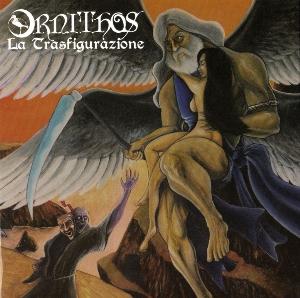
Hailing from the beautiful central Italian region of Umbria, Ornithos (Greek for “bird”) features three members of Il Bacio della Medusa, one of the most interesting Italian progressive rock bands of  the past few years. However, Ornithos predates Il Bacio della Medusa by a few years, and was originally created by multi-instrumentalist Diego Petrini and bassist Federico Caprai in 1999. The two musicians were joined by Eva Morelli in 2007, and subsequently by the three remaining members, vocalist Maria Giulia Carnevalini and guitarists Antonello De Cesare and Simone Morelli La Trasfigurazione, their debut album, was completed in 2011 but released in the early months of 2012. The cover artwork by Federico Caprai features the band’s symbol, the ibis, which is a reference not only to their name, but also to Thoth, the Egyptian god of knowledge, music and time.

For a debut album, La Trasfigurazione is a very ambitious endeavour, bearing witness to the many years of work and dedication behind it. With 13 relatively short tracks arranged in three chapters, it is a concept that hinges on a man’s spiritual journey through the past, the present and the future. True to the Italian progressive tradition, it is also boasts dramatic flair, gorgeous yet occasionally intense melodies, and plenty of variety to keep the listener on their toes. However, unlike many albums that share similar features, the concept is mainly conveyed through music rather than singing. Indeed, the majority of the tracks are instrumental, showcasing the amazing technical skill of the individual members, as well as very tight band dynamics and a remarkable ability in developing a narration without the use of too many words.

Eclecticism is the name of the game on La Trasfigurazione, an album that honours the golden age of Italian prog while at the same time searching for new avenues of expression. The lush  symphonic apparatus of mellotron and other keyboards is beefed up by a twin-guitar approach more typical of classic rock than prog, and the prominent role of Eva Morelli’s saxes lends a sleek, jazzy allure to the sound. While the synergy between flute and guitar, hovering between gentleness and aggression, inevitably evokes Jethro Tull (a big influence on many RPI bands, both old and new), Ornithos’ sound rests on a tightly woven web that relies on the contribution of each instrument, finely detailed yet part of a whole. The vocals, on the other hand, almost take a back seat, although the contrast between Diego Petrini’s low-pitched, almost gloomy delivery (sharply different from the quasi-operatic style favoured by many Italian prog singers) and Maria Giulia Carnevalini’s soaring, blues-tinged tones deserves to be further exploited in the band’s future outings.

The sounds of tolling bells and a ticking clock lead into “L’Orologio”, whose brisk, dance-like pace introduces the album, illustrating the band’s modus operandi. The strong hard rock component of Ornithos’ sound emerges at the end, with a driving guitar solo propelled by high-energy drumming and supported by sax and organ. Petrini’s distinctive vocals make their entrance in the low-key “La Persistenza della Memoria”, and lend a somewhat ominous flavour to the first half of “Somatizzando l’Altare di Fuoco”, a cinematic number that blends echoes of Morricone’s iconic spaghetti-western soundtracks with a vintage hard-rock vibe and an unexpected, laid-back jazzy ending. The nostalgic tango of “L’Ipostasi” wraps up the first chapter.

Introduced by the upbeat “Al Torneo”, the second chapter develops in eclectic fashion with the blaring sax – almost in free-jazz mode – of “L’Arrivo dell’Orco – Fuga”; then it takes a more mellow turn in the Canterbury-tinged “Nuvole e Luce”, which introduces Maria Giulia Carnevalini’s soulful voice paralleled by melodic flute – before plunging deep into hard rock territory with the raging Hammond organ of “Ritorno al… (Reprise)”. “Salamandra: Regina di Psiche e di Saggezza”, probably the album’s climactic point, begins in subdued, almost mournful fashion, then soon unfolds into a dramatic, riff-laden jazz-meets-hard-rock workout that brings to mind the likes of Colosseum, Banco and even The Doors. The third chapter opens with the blues-rock suggestions of “Nel Crepuscolo”, while “La Notte” ’s slow-paced, riff-laden heaviness conjures echoes of Black Sabbath, compounded by a wild, distorted guitar solo and aggressive, almost harsh flute. Then the serene textures of “L’Alba del Nuovo Giorno”, with a lovely sax solo that made me think of the airy, jazz-tinged elegance of Delirium’s magnificent comeback album Il Nome del Vento, bring the main body of the album to a close. In fact, while the jazzy “This Is What We Got: The Flute Song” is undoubtedly a beautiful piece of music – showcasing Antonello De Cesare’s guitar skills in a great solo backed by organ and sax – it feels like an afterthought of sorts, especially on account of the English-language lyrics, which detract from the uniquely Italian character of the rest of the album.

As is the case with most Italian progressive rock, La Trasfigurazione can be somewhat of an acquired taste, and definitely not for those who favour a minimalistic approach. Musically speaking, even if the album might command the controversial “retro” tag, there is also a sense of modernity in the band’s omnivorous approach which pushes Ornithos’sound into the 21st century. True, the album occasionally comes across as a tad overambitious when it wants to cram too many ideas into a limited running time of 56 minutes. However, this is a band that possesses talent in spades, and La Trasfigurazione will make a strong impression on lovers of everything RPI – as well as providing a fine complement to Il Bacio della Medusa’s newly released third album, Deus Lo Vult.

Links:
http://www.ornithos.it/

http://www.myspace.com/ornithos

https://www.facebook.com/ornithosfreeformusic

Read Full Post »

Regular readers of my blog will by now be familiar with my frequent references to the plight of US bands and their struggles to find an audience for their live shows. The 1000-odd people who, only two weeks ago, filled a state-of-the-art venue such as the Zoellner Arts Center for the final edition of NEARfest are very much the exception in a country where non-mainstream bands and artists (especially of the progressive rock persuasion) see their efforts to perform live increasingly frustrated by their potential audience’s apathy. When playing before 50 people is already considered a successful outcome, you know that there is a problem – which may soon force an increasing number of artists to turn their efforts to studio-only projects, no matter how much they love being on stage.

For this reason – even if, generally speaking, any band tagged as “neo-prog” would not exactly set my musical pulse racing – my husband and I decided to attend one of Baltimore-based quintet Ilúvatar’s rare live performances after a hiatus that kept them away from the scenes for over a decade. In spite of the suffocating blanket of 100-degree heat (around 40º C for non-Americans) and the threat of thunderstorms later in the evening, we headed towards the ever-reliable Jammin’ Java, and found that a few of our fellow attendees had driven considerable distances for the occasion. Considering the circumstances (including the rather awkward 7 p.m. scheduling), the 50 people or so who attended the DC-SOAR-sponsored gig at the dimly-lit, comfortably air-conditioned venue may be seen as a reasonably successful turnout.

Named after the supreme being (“father of all”) in JRR Tolkien’s Middle-Earth legendarium, and with beginnings that can be traced back to 1983, Ilúvatar  are nowhere as pretentious as their handle might lead one to believe, and definitely not about the dreaded “pixies and unicorns” all too often associated with prog. In the Nineties, they enjoyed a moderate amount of success as one of the leading US prog bands, which landed them a number of high-profile appearances (such as ProgDay 1996, Baja Prog 1998 and NEARfest 2000) before they went on hiatus. Over the years Ilúvatar have built a loyal following in the Baltimore/Washington metro area, and are clearly one of those outfits for whom the studio will never be enough.

Due to my limited affinity with neo-prog, I was not familiar with Ilúvatar’s output, but – in spite of the ready availability of music samples in the age of the Internet – I had decided to go in cold to avoid any bias, having learned that many acts are best experienced in a live setting. The almost two-hour set left me positively surprised, unlike some much-touted names whose shows I have witnessed in the past few years. With four-fifths of the line-up featured on their last album to date, 1999’s A Story Two Days Wide, on board (original vocalist Glenn McLaughlin left in 2011, and was replaced by Jeff Sirody earlier this year), the members all looked quite personable (it was hard to believe that they have been around for 25 years!), and genuinely happy to be back on stage. Most importantly, though, their performance was focused on delivering tightly composed songs rather than showing off their chops. As seasoned performers, the band members handled the rather cramped stage with aplomb, eliciting the enthusiasm of their loyal fans.

As a whole, the music was deceptively straightforward, declining to punch the listener in the face with its complexity. Solo spots were kept to a bare minimum, lending cohesiveness to the overall sound. Jim Rezek (who was the lead keyboard tech at NEARfest) chiefly employed his impressive bank of keyboards to add texture and melody to the sound, effectively supported by Dennis Mullin’s fluid, often fiery guitar; while Dean Morekas powerful bass lines and Chris Mack’s energetic drumming provided a solid backbone with a bit of a heavy edge. My only gripe was the occasional whistling tone of the synthesizers, which is one of the trademarks of the neo-prog subgenre – though it was never overdone. New vocalist Jeff Sirody brought to bear his extensive experience as a frontman in a number of local classic rock and glam metal bands to inject a stronger rock vibe into the band’s sound, and also dispel any criticism about their resemblance to Genesis. His strong, confident tenor managed to be heard in spite of the rather loud volume, and, though long-time Ilúvatar followers may have noticed the difference in style and delivery when Sirody tackled the older material, they were clearly happy with the results.

All in all, even if I generally prefer edgier, more challenging music, I found the band’s performance very enjoyable. If US prog fans did not cultivate a stubborn “the grass is greener” attitude to the detriment of homegrown acts, Ilúvatar would have been a much better fit for some of the festivals I have recently attended than some bigger-name foreign bands. The fact that Saturday’s gig was only their second in our area – a mere 30 miles south of their home town of Baltimore – bears witness to the sad fact that US-based bands are still children of a lesser God in the eyes of their prospective audiences. The growing divide within the prog scene is not helping either, with people refusing to try a band or artist from the opposite camp even when the ticket to a gig amounts to a whopping $ 10. Ironically, while modern technology has made it possible for anyone to record and release an album – and consequently brought about the saturation of an already niche market – lack of support is in danger of killing the live scene for good. However, no matter how great an album may be, nothing beats live music, especially when accompanied by the right combination of enthusiasm and skill. Progressive rock fans should support live music whenever and wherever they can – do not let the scene die out, or retreat within the four walls of a studio.

Links:
https://www.facebook.com/pages/Iluvatar/117765760211

http://www.myspace.com/iluvatar2006

http://www.dc-soar.org

Read Full Post »

TRACKLISTING:
1. Dichotomy (3:57)
2. Infinitesimal Sky  (3:02)
3. Butchers of Baghdad  (4:19)
4. Random Tandem  (4:12)
5. Ist or an Ism (4:58)
6. Morning Person (2:54)
7. New World Chaos (5:40)
8. Screed (Pt. 2) (4:40)
9. Never Home (4:50)
10. From These Small Seeds (5:20)
11. Friction (3:08)

LINEUP:
Moorea Dickason – vocals
Tarik Ragab – bass
Matt Lebofsky – keyboards
Matthew Heulitt – guitar
David M Flores – drums

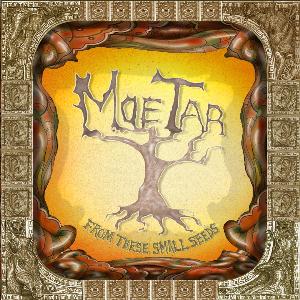
Bay Area-based quintet MoeTar was founded in 2008 by the two artists it is named after –  vocalist Moorea Dickason (Moe) and bassist Tarik Ragab (Tar) –  after the demise of their previous band, politically-charged pop-funk outfit No Origin.  After the entrance of miRthkon keyboardist Matt Lebofsky, in the spring of 2009 MoeTar started  an intense concert activity. Their debut album, From These Small Seeds, engineered by Sleepytime Gorilla Museum’s Dan Rathburn and originally released in 2010, was reissued by Magna Carta Records in 2012 with new artwork.  At the time of writing, MoeTar are about to embark on their first Eastern US tour, which will kick on August 11, 2012, at the Orion Studios in Baltimore, where they will open for miRthkon.

Even if a sizable chunk of its audience still clings to progressive rock’s conventional modes of expression, “crossover” acts are increasingly making headway on the scene, redefining and sometimes even reinventing the rules of a genre that – for all of its touted renaissance in recent years – was very much in need of an overhaul. Trimming down song lengths without sacrificing prog’s trademark complexity, and introducing melodies that can be infectious and daringly innovative at the same time, those bands draw from a number of other genres whose input provides a veritable shot in the arm for a genre often at risk of turning into a parody of itself (see the glut of tribute/nostalgia bands).

Even in a niche teeming with interesting acts, MoeTar’s fearless blend of sunny, uplifting pop tunes, angular Avant stylings, spacey guitar jams and a bit of heaviness, propelled by Moorea Dickason’s stunningly versatile voice, comes across as quite unique. As a fellow reviewer pointed out, MoeTar overturn the clichés attached to female-fronted prog bands, pushing decidedly away from the tired stereotype of the angelic-voiced siren and offering instead a heady mix of melody, power and endearing quirkiness. Moe’s voice, fitting Tarik’s thought-provoking, stream-of-consciousness lyrics like a glove, often becomes another instrument , bending the music to her will or following its intricate patterns with a striking adroitness that brings Kate Bush to mind – as well as avant-prog icons Elaine DiFalco and Deborah Perry, or Melody Ferris of fellow Oakland outfit Inner Ear Brigade. The general bent of the album may also elicit comparisons with District 97, another female-fronted act that has attracted a lot of attention in the past couple of years. However, unlike the Chicago band, MoeTar steer clear of overambitious productions, and are also minimally influenced by the prog metal trend.

For an album clocking in at a very reasonable 50 minutes, there is quite a lot going on in From These Small Seeds. The short running time of the songs (all under the 6-minute mark) belies their density, the sudden shifts in mood and tempo that can turn a catchy pop ditty into something more riveting and intense. Opener “Dichotomy” illustrates MoeTar’s modus operandi quite aptly –  Moorea’s voice underpinned by Matt Lebofsky’s buoyant piano flurries, while Matthew Heulitt delivers a rather offbeat guitar solo in the slower, atmospheric bridge; the song also introduces what is probably the most noticeable influence on MoeTar’s sound – Andy Partridge’s XTC.

After that, the album deploys a veritable feast of unabashed eclecticism – from the dramatic, almost theatrical flair of “Butchers of Baghdad” (which reminded me of Canadians Half Past Four, another interesting female-fronted crossover prog band with their charismatic singer Kyree Vibrant) to the torch-song-meets-psychedelic-jam of “Never Home”. “Ist or an Ism” meshes the hard-rock suggestions of driving organ, massive riffs and piercing guitar with a vocal line at the end that would not be out of place on a Thinking Plague album. In the title-track – definitely one of the more left-field offerings on the album – voice and piano emote in parallel, creating a sense of palpable tension that culminates in a searing guitar solo. David M Flores’ imperious drumming in “Screed” lays the groundwork for Moorea’s oddly distant-sounding voice and Lebofsky’s almost percussive piano; while “New World Chaos” (the album’s longest track) is pushed into Avant territory by its asymmetrical guitar line, tempered by soothing vocals.

A prime example of art rock in the original sense of the definition, From These Small Seeds manages to be accessible and adventurous at the same time. Those who want to see progressive rock remain true to its name – rather than turn into a caricature of the Seventies – will not fail to appreciate the album, in spite of the lack of epics or any of the conventional distinguishing features of the genre. A highly rewarding, entertaining listen, recommended to everyone but the most conservative prog fans.

Links:
http://www.moetar.com/

http://magnacarta.net

Read Full Post »

TRACKLISTING:
1. Crib (8:12)
2. Spectre Pt. 1: Zorya´s Dawn (10:34)
3. Pavement Canvas (8:58)
4. Undercoat (2:54)
5. Swimming Through Deserts (7:11)
6. Shuteye Wanderer (16:31)

LINEUP:
Nicki Weber – vocals, growls, flute
Dave Mola – guitars, keyboards
Sebastian Ott – bass
Tobi Süß – drums, djembé
Tim Ivanic – guitars

My readers will probably have noticed the near-lack of progressive metal reviews on my blog if compared to other blogs and sites. Indeed, even if I am a longtime fan of classic heavy metal, the cross-fertilization of the genre with progressive rock has always left me rather cold – with very few exceptions. On the other hand, I believe it is essential for a reviewer to be exposed to a variety of subgenres within the broader spectrum of prog, and to recognize quality even when a particular subgenre does not exactly set our world on fire. Like it or not, prog metal is here to stay, and its role in reviving a genre that is very much at risk of becoming stale or simply irrelevant – as well as drawing the younger generations to it – cannot be understated.

Based in the historic Bavarian city of Nuremberg, five-piece Effloresce were formed in 2008 by guitarist/keyboardist Dave Mola and drummer Tobi Süß after the demise of their previous band, Falling Nature. After releasing an EP titled Shades of Fate in 2009, the band appeared at the first edition of the Generation Prog festival (it was their first gig with new bassist Sebastian Ott), and were subsequently signed by the new Generation Prog record label, founded by Relocator bassist Michael Schetter. Their full-length debut, Coma Ghosts – mixed and mastered by Dan Swanö (of Edge of Sanity fame) – was released in February 2012. They were also scheduled to appear at the 2012 edition of Fused Festival in the UK, but unfortunately the event was cancelled due to poor ticket sales. A couple of months after the album’s release, guitarist Tim Ivanic had to leave the band, but was promptly replaced by Chris Steingen.

Female-fronted prog metal bands are a dime a dozen these days, and listeners might be forgiven for thinking that Effloresce are yet another outfit in the popular yet somewhat tired “Beauty and the Beast” vein. Now, while vocalist Nicki Weber (who also plays flute, and is responsible for all the lyrics) is definitely an attractive young woman, she can play both roles and deliver some mean death-metal growls to offset her clear, soaring tones. Though it would be easy to lump her with the ever-growing crowd of Tarja Turunen followers, her voice often suggests a folk background rather than an operatic one – especially when she tackles more subdued material such as the ballad-like “Swimming Through Deserts”. To be honest, I generally have little time for gothic/symphonic metal bands: however, I found Nicki’s singing genuinely pleasing to the ear, and could not help admiring her for engaging in one of the most controversial routines on the music scene, especially as far as prog is concerned. While her growling (very judiciously used) is not as ferocious as Arch Enemy’s Angela Gossow’s, it does add an unexpected edge to the band’s overall sound – which is undeniably heavy, but always melodic and tuneful.

Though it is not easy for “traditional” prog metal acts to escape the all-powerful influence of Dream Theater, Effloresce manage to avoid the blatant plagiarism that dooms so many productions. They pay their dues to the New York titans mainly in the album’s opening track, “Crib”, where Dave Mola’s keyboards (including mellotron) play a more relevant role than in the rest of the album, while the catchy chorus anchors the song to the more accessible side of  symphonic/progressive metal. However, the Opeth influence emerges in the 10-minute “Spectre Pt 1: Zorya’s Dawn”, whose heavy. Sabbathian opening flows into a tense, guitar-led section relieved by the ethereal tone of the vocals and the gentle note of Nicki’s flute; growls, riffs and fast drum beats keep the heaviness quotient going. Similarly, “Pavement Canvas” juxtaposes melodic guitar with harsh riffing and blast beats, with percussion adding a faint ethnic flavour.

The short instrumental “Undercoat”, based on majestic keyboard washes overlaid with bell-like percussion and creaky guitar sounds, introduces the haunting “Swimming Through Deserts”, a melancholy piece inspired by Opeth’s Damnation album, with poignantly sweet vocals and lovely, mellow guitar work. The album is brought to a close by the epic-length “Shuteye Wanderer”, a remarkably cohesive, 16-minute piece that brings together the melodic and aggressive strains of the previous songs, spanning a range of such diverse influences as Opeth, Metallica, Porcupine Tree and Pink Floyd, and spotlighting Nicki’s versatility as a vocalist.

Clocking in at about 54 minutes, Coma Ghosts goes against the current trend for long albums (particularly evident in the prog metal field), and its 6 tracks are tightly composed and quite filler-free. For a debut album from a young band, it definitely impresses, even if it is unlikely to convert those who are still on the fence as regards the progressive metal subgenre. Effloresce surely have enough talent to develop an even more personal style, and the potential to branch out and try something more challenging for their next recording effort. A special mention  goes to the professional quality of the album’s packaging, with a comprehensive booklet including lyrics and outstanding artwork (by Nicki and guitarist Dave Mola) and photography.

Links:
http://www.effloresceonline.com/

http://effloresce.bandcamp.com/

http://www.myspace.com/effloresceonline

http://www.generation-prog.com/

http://www.sunflowermedia.de/

Read Full Post »

After a wait that felt even longer than usual (and some disturbances in between), the big day finally dawned, accompanied by a wave of stiflingly humid heat. Unlike our last time at NEARfest, two years ago, when our car broke down the day before the event and we had to rent one in order to make it, this time everything went smoothly. The scenic route that we took, through Pennsylvania Dutch country and the lovely city of Lancaster,  caused us to reach our destination somewhat later than expected, but it was well worth it. Highways are undeniably very convenient, but they often leave a lot to be desired if one wants to see some interesting sights.

As I made it abundantly clear in the three essays I wrote last year after NEARfest 2011’s cancellation, I was a bit skeptical about the whole “going out with a bang”  affair. However, the past weekend turned out to be one of the most memorable experiences I have had in a long time – and a sort of watershed moment on a personal level. Indeed, it was so packed with excitement, friendship and great music that it ended up being even more exhausting than usual – especially as the constant adrenaline rush caused me to miss out on sleep for two out of three nights. All in all, though, it was an unforgettable weekend, even if somewhat marred by a rather anticlimactic ending.

After a one-year gap, there was a poignant sense of familiarity when we drove from our hotel to the Zoellner Arts Centre. It was sad to think that it would be the last time (though, of course, you never know how such things are going to pan out), but still we resolved to enjoy the event to the fullest. After visiting the vendor rooms and reconnecting with old friends and acquaintances for a couple of hours, at 7 p.m. we sat down in our comfortable seats (located at the edge of one of the orchestra rows, which meant not getting a 100% complete view of the stage, though with the advantage of being able to move freely) and got ready for the first set of the weekend.

Having heard some music from Belgian chamber rock outfit Aranis prior to the festival, I knew I was going to like them a lot, but I was not prepared for the sheer triumph that was their performance. Judging from the crowd’s reaction, they are the kind of band that – even if tagged as “RIO/Avant” (a label likely to send quite a few prog fans running for the exits) – have a powerful cross-subgenre appeal on account of the strongly melodic nature of their music. The presence of legendary drummer Dave Kerman (a veteran of the NEARfest stage)  added a more definite rock note to the supremely elegant sound of the band – a seven-piece led by Joris Vanvinckenroye, and featuring three very talented female instrumentalists (flutist Jana Arns, accordionist Marjolein Cools and violinist Liesbeth Lambert). With only an amplified nylon-string guitar to anchor the band to the rock ethos, they delivered a positively mesmerizing set, oozing with diverse influences – the biggest of which, to my ears, being Argentine composer Astor Piazzolla, together with their fellow Belgians Univers Zero and 20th-century composers such as Stravinsky and Ravel, and a generous sprinkling of Old World folk music. Their compositions, of varying length and understated complexity, were at times almost infectious, with whimsical titles such as “Tomatissimo” or “Spaghetti Polonaise”. Most importantly the band members seemed to be genuinely enjoying themselves, introducing the songs with liberal helpings of humour, while their outstanding musicianship created a tightly woven flow of beautiful sounds. Dave Kerman’s role in the band was much closer to an orchestra percussionist than a traditional rock drummer, more textural than propulsive; he delighted the audience with an array of exotic instruments, including one that looked like some creature’s jawbone. Aranis provided an amazing start to the festival, and a big hit with the crowd – witnessed by the seemingly never-ending line of people at the post-set signing session.

When I saw Van Der Graaf Generator for the first time at NEARfest 2009, I was extremely impressed by their set. Though I cannot really call myself a fan, I have a lot of respect for them, as they are one of the few Seventies bands that have not turned into a parody of themselves, and are still very much relevant. This was borne out by their choice of playing quite a few items from their latest album, A Grounding in Numbers, alongside the older material that everyone was expecting. However, as much as I wanted to love their set, it left me a bit cold, mainly for reasons related to the setlist. The central part of the performance was taken up by a revamped version of “Flight”, a Peter Hammill solo piece originally included in his 1980 album A Black Box. At over 21 minutes, it went on a bit too long, and was a turn off of sorts for anyone who was not a devoted Hammill fan. Even their choice of  classics was not thoroughly convincing, with the exception of the barnstorming “Scorched Earth” that opened the set. In spite of these misgivings, however, the band were in fine form, with Hammill’s voice every bit as strong as in his Seventies heyday, and Guy Evans and Hugh Banton offering a stunning display of skill and precision coupled with genuine emotion. After a while, however, tiredness got the best of me, and I started drifting off. On the other hand, though Hammill’s voice can be a bit hard to put up with for nearly two hours, he was a delight to watch, and a true gentleman, joking with the audience and looking as if he was thoroughly enjoying himself. Not bad for a man who almost died of a heart attack nine years ago… Besides his customary piano, Hammill also played electric guitar on a few songs, showing how the band and their songwriting have adapted to the trio format. Though not the highlight I expected the set to be, it was a fine performance nonetheless.

As tired as I was, I did not get much sleep that night, and on Saturday morning I was not feeling exactly my best. We got early to the venue, and spent a pleasant couple of hours checking out the vendors and chatting with various people before we sat down for the opening act of the day – Connecticut jazz-rock quartet Helmet of Gnats, who were one of the bands I was most interested in seeing. I had got acquainted with their material through their MySpace site and Progstreaming, and their set confirmed my early impressions: stunning chops and potentially great music, but not too strong on the songwriting front. It took them a while to warm up, and for the first couple of songs they hardly communicated with the audience, which brought back memories of Astra’s dismal set in 2010. However, this was clearly due to the overwhelming emotion of having finally fulfilled their dream of performing at the festival after an 11-year wait. After the first awkward 15 minutes or so, the band hit their stride, and guitarist Chris Fox proved to be a warm and endearing frontman, especially when he introduced the band and explained the ties of family and friendship binding its members. The music – which at times reminded me, in style if not in actual content, of the sadly disbanded D.F.A. – had moments of riveting beauty, especially when keyboardist Matthew Bocchino fired up the Hammond organ and seamlessly meshed with Fox’s beautifully clear, fiery guitar in a fashion that made me think of Colosseum II. The tracks, all quite long, tended to ramble a bit, with highly exhilarating moments alternating with lulls that caused the attention to wander somehow. People who are not into jazz-rock/fusion may have found them a bit hard to follow, due to the overall lack of cohesion at the compositional level. However, they are an extremely talented bunch of musicians who genuinely enjoy playing together, with a keen sense of humour as displayed by their song titles and rather hilarious name – whose origin I finally learned later during the day, when I got to meet the band in the lobby. I hope to have the pleasure to see them again in the future, and perhaps review their next album.

Having never having been a follower of the original neo-prog scene (with the sole exception of Marillion in their early incarnation), I was barely familiar with Twelfth Night, and my expectations were also quite low. My increasing tiredness prevented me from staying longer than the first three songs (at that point, I really needed to take a break), but I would be lying if I said they were the worst band I have ever seen, as other attendees instead claimed. With only one of the original members left (drummer Brian Devoil), and two members of fellow UK band Galahad on board, they mostly sounded like a cross between an Eighties synth-pop band and a glam-metal one, with some occasional symphonic prog influences thrown in for good measure. Their look was also a throwback to the Eighties, with a penchant for the use of visuals and stage props; the mannequin in the 19-minute epic “We Are Sane”, accompanied by politically-charged images on the screen, made me think of Pink Floyd circa The Wall and The Final Cut. In spite of the not exactly enthusiastic reception on the part of the audience, and plagued by a host of technical issues, the guys in the band were delighted to be there (it was their first ever US appearance) and gave their best. Though Andy Sears is undeniably a good frontman, I did not care for his vocals, nor did the piercing, whistling sound of the synthesizer do anything for me; however, the band’s brash, punk-tinged energy held the attention of those who stuck around. Though some attendees thought that Twelfth Night were out of place in the lineup, there is a sizable part of the prog audience that enjoys their particular take on progressive rock, and one of the reasons for NEARfest’s success in the past 14 years has been precisely their “big-tent” approach.

With a new album (titled Viljans Öga) about to be released, 18 years after Epilog, and a 9-year hiatus since their last tour, Swedish legends Änglagård were probably the most highly anticipated act on the lineup. While I was familiar with their seminal debut, Hybris, I had never really connected with their music as I did with their contemporaries Anekdoten. When we sat down for their set (which started somewhat late on schedule), my head was almost drooping with weariness, and I feared I would be forced to sit it out. However, things changed rather quickly once the band started playing.  An extremely tight unit performing exclusively instrumental music, they often bordered on Avant territory, and their new material sounded angular and occasionally menacing. In spite of their reputation as a “retro-symphonic” act, Änglagård were anything but a nostalgia-fest, and easily transcended any attempts at pigeonholing – even if the two Mellotrons gracing the stage were enough to send hardcore proggers into fits of delight. After the three talented ladies in Aranis, it was great to see more female talent in the guise of Anna Holmgren, who effortlessly switched from flute to sax to Mellotron. The band performed all but one track from their forthcoming new album, plus two from Epilog and the iconic “Jordrök” – the manifesto of the Swedish prog renaissance of the early Nineties. Although all of the five band members delivered impressive performances, the true star of the set was drummer Mattias Olsson, a pint-sized concentrate of flawless technique, inventiveness and humour – the real engine at the heart of the band’s intricate yet seamless sound, duly assisted by Johan Brand’s booming, muscular bass lines. All in all, it was a truly riveting set by a band that amply deserves its near-legendary status.

My habitual readers, who are used to reviews of rather left-field material, will probably be surprised to learn that I thoroughly enjoyed Renaissance’s set. While many prog fans love their output, others (including many of my fellow attendees) consider it terminally cheesy. In my case, though I do tend towards more challenging  material, I have also been exposed from a young age to all kinds of music, including opera and musicals, and will readily admit to having a soft spot for Renaissance’s classic Seventies albums. Though my favourite female vocalists tend to be assertive rather than angelic, I find Annie Haslam – the voice who launched a thousand  imitators – a delightful listen, and their lush melodies appeal to what you might call my typically feminine side (as well as my Italian heritage). Having missed last year’s tour, we were happy to see the band perform Turn of the Cards and Scheherazade and Other Stories in their entirety. At the beginning Annie’s voice may not have been as smooth or self-assured as it was in the second half of the set, but then it became an effortless thing of beauty. In my view, Renaissance were the perfect choice to follow the demanding complexity of Änglagård – a very relaxing, enjoyable listen, made even more pleasing by Annie’s gracious manner and positive aura (even if her reference to God fell a bit flat). As much as I love the edgier stuff, sometimes it is nice to kick back and sing along to gorgeous tunes such as “A Trip to the Fair” or “Carpet of the Sun” (performed by Haslam and Michael Dunford as an acoustic duo, and dedicated to the organizers). The set ended with new track “The Mystic and the Muse” – an interesting composition with some breathtaking vocal acrobatics.

After all the praise I had heaped on their third album, Glue Works, Gösta Berlings Saga were the act I was most looking forward to – and that in a festival that featured much higher-profile names. My rave review had turned some of my friends on to the band’s music, while my husband had so far remained impervious to their charms. However, last Sunday he walked out of Baker Hall as a convert, as did most of the 1,000-odd people that witnessed that career-defining performance. Simply dressed in black, the four fresh-faced Swedes, in spite of a grueling trip (they missed their connecting flight, and arrived in Bethlehem in the middle of the night between Friday and Saturday), put up a show that summed up everything great music should be about. Although some people are desperately trying to put a label on them (are they post-rock, avant-prog, Zeuhl, or what?), they are one of those rare outfits who manage to sound like no one else. Fuelled by genuine passion, they literally brought the house down, eliciting standing ovation after standing ovation, and transmitted their passion to the audience, affecting many of us on a physical level. The powerfully exhilarating swell of the music was interspersed by pauses of gentle quiet, like the calm before (or after) the storm, and their use of repeated build-up patterns created an uncannily mesmerizing effect. Einar Baldursson’s guitar sliced through the dense web of sound emanating from David Lundberg’s bank of keyboards (employed for texture rather than as the main event, as in so much “traditional” prog); while Gabriel Tapper’s deep-toned Rickenbacker bass, together with Alexander Skepp’s electrifying drumming – a veritable tumultuous waterfall of sound – drove the music along relentlessly. In a set of astonishing perfection, two tracks stood out: the jaw-droppingly beautiful modified blues of “Västerbron 5.30” (with a haunting vibraphone passage that brought me close to tears), and the sensational rendition of “Island” at the close of the set – a sonic poem dedicated to the land of ice and fire, a “Starless” for the 21st century, further enhanced by a supercharged guest appearance by Mattias Olsson on assorted sound effects.

Though for completely different reasons, Il Tempio delle Clessidre were high on my list of bands to see at NEARfest. I had been in contact with them for some time after their participation was announced, and a touch of patriotic pride in me wanted them to be a great success. Even if Gösta Berlings Saga would have been a tough act to follow for everyone, the five-piece from Genoa more than proved their worth. Led by the lovely and talented Elisa Montaldo – a young Siouxsie Sioux dressed in a black Victorian-style outfit – and featuring the warm, rugged vocals of former Museo Rosenbach vocalist Stefano “Lupo” Galifi, they owned the stage for 90 minutes. Blending the feel of vintage Italian prog with harder-edged vibes (provided by bassist Fabio Gremo and guitarist Giulio Canepa’s energetic, metal-inspired stage presence, as well as Paolo Tixi’s rock-solid drumming), their music was powerful, flawlessly executed yet rich in emotional content. Galifi’s voice owes more to blues and soul (he cited James Brown and Wilson Pickett as major influences) than to opera, in spite of the common misconception that any music coming out of Italy has to be “operatic” to some degree. Many in the audience were expecting to be treated to the whole of Zarathustra, Museo Rosenbach’s renowned 1973 album, though they had to content themselves with an extract of stunning intensity. Together with most of their self-titled debut album, the band performed three excellent new songs, as well as a cover of Kansas’ “Paradox” that segued into “L’Attesa”. One of the highlights of the set was the mostly instrumental “Danza Esoterica di Datura/Faldistorum”, which saw the band don masks and Elisa perform a sort of esoteric ritual that included a quote from Shakespeare’s Macbeth. Those who (probably forgetting about Peter Gabriel and his fox mask) indicted them of cheesiness were clearly not familiar with the ancient Greek and Roman tradition of wearing masks on stage, nor with the rich body of witch-related lore of the band’s home region of Liguria. Visibly moved by the experience of playing before such a crowd in a state-of-the-art venue, the band members brought to bear the skills acquired in their extensive live activity, and their performance was full of the sheer joy of sharing such a career-defining moment.

Alongside Twelfth Night, Mike Keneally Band were the only other act on the lineup I was not familiar with, though I had listened to a couple of songs on YouTube prior to the event. Like Änglågard on the previous day, they took to the stage somewhat late on schedule (around 5 p.m.), and finished equally late. Like the English band, they have their dedicated following, but left a sizable number of attendees rather cold, though for completely different reasons. An extremely talented outfit, led by guitarist/composer Mike Keneally (known for his stint with Frank Zappa, as well as a solo career) and featuring, among others, bassist Bryan Beller and (in a touch of exquisite irony) Umphrey McGee’s drummer Kris Myers, they play the kind of music that is undeniably progressive, but not in the way that will usually appeal to the average traditional prog fan. On a personal level, I was quite drained after the one-two punch of the first two sets, and had to leave after the first hour or so because of prior commitments. Moreover, in spite of its evidently high quality, I found that I could not relate to the music – even though liking the band’s eclectic, mainly song-based approach, with its emphasis on guitar rather than keyboards and warm jazz and blues influences. Mike Keneally proved a genial frontman, though his vocals were a bit of an acquired taste, as well as an outstanding guitarist. The band played some of the songs written by Keneally together with one of the most respected songwriters on the modern music scene, Andy Partridge of XTC fame; while Chris Buzby of Echolyn joined them on stage  for “Dolphins Medley”. Unfortunately, the billing did somewhat hurt an otherwise excellent band, as people were tired and hungry at that time of the day. I hope to have the opportunity to see them again when I am in better shape to appreciate their considerable talent.

Unlike many other attendees, my husband and I had not been particularly looking forward to Eloy as a headliner, and their almost last-minute replacement with UK was more to our taste (though we were obviously very sorry about Frank Bornemann’s health issues). As the Washington DC date had been cancelled due to poor ticket sales, we were glad to be able to see the band in such a historic occasion. Unfortunately, what happened on Sunday night gave new meaning to the saying “careful what you wish for”.  Due to technical issues, the band appeared on stage nearly 2 hours late (it was close to 11 p.m.), and then,  when everyone was seated and the lights went down, nothing happened for about 10 minutes – so that the crowd got restless, and some boos were heard. At that point, I was exhausted, and my husband even more so, and so annoyed that I contemplated leaving even before the start of the set (which was preceded by the obligatory round of credits to everyone involved in the making of the festival). Though we ended up staying for the first half an hour or so, I found myself completely unable to enjoy anything – even when the band played “Starless”, one of my favourite pieces of music ever – and started finding fault with almost everything. The very loud volume did not help to relieve our sense of exhaustion, so – even if  I knew I was going to miss some songs I have always adored – there was no choice for us but to leave and try to get some rest before heading back home the following day. It was deeply saddening, but in some ways also quite cathartic. To me, it felt as if that performance (which, in any case, most of the audience seemed to love) signaled the end of an era, and showed that it was time for the prog community to shed its Seventies obsession and move forward.

As we walked out of the venue, a few drops of rain were falling, and everything was quiet. On the way back to our hotel, we reflected that perhaps that was a fitting conclusion to a spectacular run of festivals, and in a way represented the current state of the progressive rock scene – torn between the glory days of the past and the fresh, irrepressible energy and creativity of the new guard. A band like Änglagård, in many ways, embodies the best of both worlds, and this is why they would have amply deserved that headliner spot that, unfortunately, seems to be denied to anyone not originating from the Seventies.

When we headed back home on Monday morning – still exhausted but happy – it was raining heavily, and the magnificent “Island” was playing in our car, reminding us of the moments of true glory of the past weekend. Even as relative newcomers to the festival scene, it was hard not to feel a pang of sadness for what had just ended; however, it was compounded by a sense of hope that something might soon be rising from the ashes.  Many thoughts have been running through my head in the past few days, but I will keep them for a separate article that will hopefully come some time in the next few weeks.

Anyway, it was encouraging to see many other women (even if there were no lines for the ladies’ restrooms), and also a few younger attendees, some of them barely out of their teens, and already so knowledgeable about progressive rock. As for myself, perhaps for the first time since I moved to the US, three and a half years ago, I felt as if I might finally feel at home in this country, especially when I saw so many people interested in my welfare after my recent immigration-related woes. I was also positively surprised to see my name mentioned at least twice in the programme (which I got Roger Dean to sign, as you can see from the photo above): it is always good to see your hard work pay off, even if not in monetary terms.

Before I wrap up my review, I would like to thank organizers Rob LaDuca, Chad Hutchinson and Kevin Feeley (as well as all their collaborators) for an unforgettable weekend, and for all the effort they put out to make the festival a reality, in spite of headaches such as having to find a suitable replacement for Eloy barely one month before the event, and having to deal with an occasionally troublesome bunch of “customers”. I understand why they are throwing in the towel, and hope that someone will be there to pick up from there. Kudos to them for the tribute to DFA’s keyboardist Alberto Bonomi (who tragically passed away one year ago) included in the programme.  Frank Bornemann’s touching video salute to the audience did not fail to move even those who were not Eloy fans, and the plugs for two forthcoming festivals – ProgDay and FarFest – were also a welcome touch that showed a commendable community spirit.

As usual, I also wish to mention all the great people I met during this amazing weekend: the collective members of Aranis, Gösta Berlings Saga and Helmet of Gnats, and of course my fellow Italians of Il Tempio delle Clessidre, as well as other great artists such as Raimundo Rodulfo, Dan Britton, Lynnette Shelley of The Red Masque with her gorgeous medieval-inspired art, Cyndee Lee Rule, the members of Echolyn, Matthew Parmenter and Matthew Kennedy of Discipline, and my friends Robert James Pashman and George Dobbs of 3RDegree, Phideaux Xavier, Ariel Farber and Linda Ruttan-Moldavsky of Phideaux, and Alan Benjamin (with his lovely wife Amy) and Joe D’Andrea of Advent. Then , Adele Schmidt and Jose Zegarra Holder – whose latest venture Romantic Warriors II – About RIO was a big hit with the crowd, MoonJune Records head honcho Leonardo Pavkovic and his friend Sasha, Cuneiform Records’ Steve Feigenbaum and his wife Joyce, Greg Walker and his treasure trove of music, my DC-SOAR cohorts Tom Hudon, Mark Chapman and Debi Byrd, Steven Berkin of Exposé magazine, Mike Potter of the Orion Studios, Jeff and Coralita Wilson, Laura A. Dent and her husband Noel Levan, David Gaines, Helaine Carson Burch, Terri Simmons, Ian Carss (with his daughter Alex), John Hagelbarger, Rick Dashiell, Buster Harvey, über Italian prog fan Leo Hadley Jr. and his wife, and everyone else I may have forgotten to mention. Thanks also to everyone who stopped by and complimented me on my writing, and a special mention to our friend H.T. Riekels. It was great to see him again after two years.

This review is dedicated to two friends who, while we were having such a great time, were experiencing the worst moment of their lives – The Muffins’ drummer Paul Sears, whose son Niall lost his life in Afghanistan last Friday, and his wife Deborah. There is nothing I can say that will comfort them in their loss, but I hope to meet them again when they have regained a measure of peace.

Read Full Post »
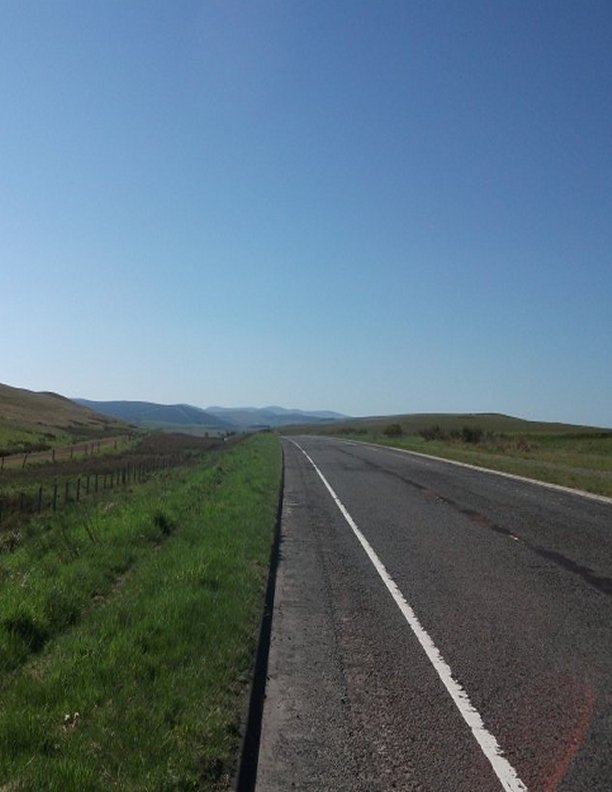
« Newer Posts - Older Posts »