Feeds:
Posts
Comments

TRACKLISTING:
1. Tulevien Aikojen Luurangot (3:56)
2. Parahin Nikola (5:02)
3. – (3:05)
4. Pimeys On Ystävä (12:59)
5. Tulvien Jälkeen (4:24)
6. Fantasmagoria (10:18)
7. Valkoinen Sumu Nousee (5:24)
8. Pakenevan Veden Voima (8:32)

LINEUP:
Annina Antinranta – vocals
Antti Harmainen – guitars
Jussi Oskari – bass, bass pedals
Jussi Matikainen  – drums

Though at least nominally part of the celebrated Scandinavian scene,  Finland has always been somewhat of a mysterious object in the European context, especially as regards progressive rock.  In comparison with neighbouring Sweden, Finland seems to be better known for its wealth of metal bands – both of the extreme and the symphonic persuasion (names like Amorphis or Nightwish come to mind). On the other hand, the country’s contribution to the progressive movement should not be discounted – with Seventies bands such as Tasavallan Presidentti, Wigwam and Finnforest, as well as its later contribution to the RIO/Avant scene with iconic acts such as Höyry-Kone and their offshoot Alamaailman Vasarat. Thanks to Finland’s thriving cultural milieu, the level of musicianship of Finnish bands and artists is also quite high, and homegrown acts are likely to receive quite a lot of attention, in spite of the pervasive presence of mass-produced music from the English-speaking world.

Between the mid-Nineties and the beginning of the 21st century, I spent almost six years in Finland, which will always hold a special place in my heart. It has therefore been a pleasure for me to review the two CDs that, at the end of last year, were brought to my attention by my friend Eetu Pellonpää. Although both of these bands might be easily defined as obscure, their albums offer as much interesting material as those released by higher-profile acts. In spite of their obvious musical differences (which will clearly emerge from my reviews), they have something in common besides their geographical provenience: they both have female vocalists, and they both sing in their native language – a language that, like Italian, is vowel-rich and adapts very well to being put to music.

A quartet currently based in the Helsinki area, Tuvalu (called after German director Veit Helmer’s 1999 movie of the same name) have been around since 2003, and released three albums  In spite of that, they seem to have flown almost completely under the radar of the numerous online publications dedicated to progressive rock. Though released in the early months of 2010, their eponymous third album has been reviewed mainly on Finnish websites, and a Google search turned out only a couple of comments on English-language sites. Tuvalu’s music, however, holds quite a few elements of interest for open-minded prog fans – the kind who do not balk at interpretations of the prog ‘language’ that differ from  the traditional symphonic one. Indeed, from what can be heard on this album, Tuvalu’s sound owes much more to The Mars Volta than to Yes or Genesis, though the influence of Rush and King Crimson can also be clearly detected. The presence of a female vocalist with a strong personality like Annina Antinranta is an added bonus. Annina (who is also responsible for the lyrics) is not an over-the-top soprano in the mould of her celebrated fellow Finn Tarja Turunen, but her commanding, confident voice can handle a variety of moods and styles.

All of the tracks on Tuvalu feature vocals, with the exception of the untitled ‘ghost track’ occupying the third slot, which is also the album’s only instrumental. With two tracks clocking in at over 10 minutes, and another at 8, there is plenty of ‘epic’ material to please those who are not satisfied by shorter, snappier offerings. At 58 minutes, the overall running time is quite restrained for these times, and allows listeners to take in the music without weariness setting in halfway through the album. Though the music as a whole tends to be somewhat on the aggressive side, with a powerful rhythm structure and supercharged riffing, the overall effect is nicely balanced by moments when the instruments create haunting, rarefied atmospheres with a definite psychedelic bent.

As previously suggested, the blueprint is The Mars Volta’s blend of hardcore aggression, wistful, Latin-tinged melodies and trippy electronic moods, with more than a hint of the steely, streamlined approach of King Crimson from the ‘80s onwards, as well as Rush’s marriage of accessibility and complexity. Opener “Tulevien Aikojen Luurangot” (Skeletons of the Future) combines a simmering sense of tension with rhythmic explosions that push the drums at the forefront; Annina Antinranta delivers her own dark, somewhat skewed lyrics with remarkable clarity and self-assurance. In the following number, “Parahin Nikola”, the intensity is tempered by more sedate instrumental breaks punctuated by spacey sound effects. The latter are the undisputed protagonists of the ‘ghost track’, which distinctly brings to mind the ‘noise’ sections of The Mars Volta’s 2005 album Frances the Mute.

In typical rollercoaster-ride style, the epic “Pimeys on Ystävä” (Darkness Is a Friend) – a tad patchy, yet fascinating – alternates bursts of manic energy with slower, more subdued passages that showcase Annina’s vocal versatility; the insistent, interlocking guitar lines conjure strong echoes of King Crimson circa Discipline. The second epic, “Fantasmagoria”, throws some doomy, Sabbath-like moments into its frantic, riff-driven, Rush-meets-TMV fabric. “Valkoinen Sumu Nousee” (White Fog Rises) features shouting, punk-like vocals before calming down a bit, while “Tulvien Jälkeen” (After the Floods) reveals the melodic, atmospheric side of the band, with muted vocals and measured, bell-like guitar sounds.

From the above description, it should be clear enough that fans of the more melodic incarnations of prog might find Tuvalu not exactly to their taste. Anything sporting a strong Mars Volta influence is bound to come across as an acquired taste – with the added drawback of vocals in a language that, for most people, is nothing short of impenetrable, and distinctive, grey-hued artwork that seems to reflect the brooding quality of the music. On the other hand, open-minded lovers of progressive music might do worse than to give this album a listen, and possibly more than one. Tuvalu can definitely hold their own on the ‘modern prog’ scene, and deserve far more exposure than they have got so far.

Links:
http://www.tuvalu.ws
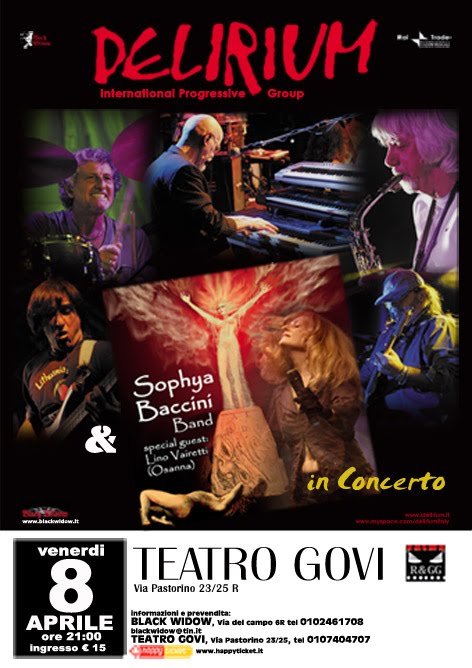
 

I recently received this press release from Black Widow Records –  the Genoa-based label whose roster includes a number of historic Italian progressive rock acts, as well as many newer ones – which I am glad to share with my readers, especially the many fans of Italian prog.

On Friday, April 8, 2011, Delirium,  one of the seminal bands of the original Rock Progressivo Italiano movement, will be performing at Genova’s Teatro Govi.  The concert will be opened by gifted Neapolitan singer Sophya Baccini (whose excellent solo debut, Aradia, was released in 2009), with legendary Osanna vocalist Lino Vairetti as a special guest.

In the course of the evening, Delirium will present their new DVD, Il Viaggio Continua: La Storia 1970-2010 (recently released by Black Widow), which features original live footage from the Seventies, plus a recording of the band’s concert at the Teatro Politeama (also in Genoa) in 2008. Their setlist will include material from both  their ’70s albums and their critically acclaimed 2009 CD Il Nome del Vento – as well as semi-acoustic arrangements of some of their best-known songs.

Though I am aware that for most of my readers it will not be possible to attend this event, if any of you happen to be in the area, this is definitely an opportunity not to be missed. In the next couple of weeks Genoa will host a number of  events that will further strengthen its status as a hotbed for great progressive rock.

The concert will start at 9 p.m. Tickets are € 15.

Teatro Govi – Via P. Pastorino 23-25 R – Genoa, Italy.

Links:
http://www.blackwidow.it

http://www.sophyabaccini.com

TRACKLISTING:
1. BunChakeze (1:57)
2. Whose Dream? (4:05)
3. Walk in Paradise (6:57)
4. Handful of Rice (5:10)
5. Flight of the Phoenix (6:20)
6. Midnight Skies (6:25)
7. Long Distance Runner (6:09)
8. The Deal (7:50)
9. Whose Dream? (reprise) (2:24)

LINEUP:
Colin Tench – guitars, synthesizers, backing vocals
Gary Derrick – bass, bass pedals
Cliff Deighton – drums
Joey Lugassy – vocals

With:
Alex Foulcer – piano

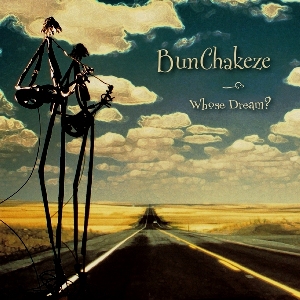
The rather weirdly-named BunChakeze (a ‘creative’ spelling of the more mundane ‘bunch of keys’) were one of the many bands born in the mid-Eighties who – in spite of  the much-touted Neo-Prog breakthrough of those years – found themselves in the wrong place at the wrong time. Formed in 1984 by guitarist Colin Tench, drummer Cliff Deighton and bassist Gary Derrick after the demise of the six-piece Odin of London, like the former they were among the many casualties of the lack of interest in music that did not comply with the stereotypes of that era. All too aware of the indifference of record labels and promoters, BunChakeze voluntarily dropped off the radar and went their separate ways after having recorded an album’s worth of material.  Fast forward about 25 years, to 2010,  when  – thanks to progressive rock’s surprising Renaissance – BunChakeze emerged from oblivion. Taking full advantage of the possibilities of the Internet, they finally released their album, and set about to actively promoting it all over the community of progressive rock fans.

To be perfectly honest, when I got my copy of Whose Dream?, after having read a slew of enthusiastic reviews, I was curious to see if it really was the best thing since the proverbial sliced bread, or rather one of the many rather undistinguished releases that seem to be a dime a dozen on the current prog scene. Indeed, not everyone would view BunChakeze’s obvious enthusiasm about their release in a completely positive light, and some would even think, “do we really need yet another album by a long-dead band?”. On the other hand, though occasionally showing its age, Whose Dream? is a pleasant listen, easy to approach in just one listening session (unlike so many modern releases), and featuring some noteworthy guitar work courtesy of Colin Tench. True, it is not the most progressive album on the market, and its catchy nature may prove a turn-off for the more elitist fringe. Moreover, the sound quality is anything but flattering to the material: neither the tinny drum sound nor the dated, whistling synthesizers do the album any favours, and Joey Lugassy’s voice sounds positively strained at times. However, it is definitely no worse than many current releases frequently hailed as near-masterpieces beyond their true merits.

A strongly song-oriented album, with no tracks longer than 7 minutes, Whose Dream? shows a distinct lack of sprawling epics –a refreshing change of pace from the often overambitious efforts that seem to be the rule these days. Some of the compositions, in spite of their relative shortness, do have an epic scope of sorts: “Flight of the Phoenix” and “Midnight Skies” (dedicated to the plight of Native Americans) both offer enough tempo changes (though never in an overly complex fashion) and instrumental interest to qualify as mini-epics, The general mood of the album tends to be somewhat melancholy, both musically and lyrically – perhaps reflecting the frustration the band members were experiencing at the time the music was composed.

As the band members themselves are ready to admit, the biggest influence on BunChakeze’s sound are Pink Floyd, in their more subdued, hauntingly melodic incarnation rather than the experimental one.  The intro to “The Deal” is a dead ringer for “Welcome to the Machine”, and Colin Tench’s clear, smoothly flowing lead guitar pays more than cursory homage to David Gilmour’s hugely influential style. Hints of Kansas (without the grandiosity) surface in “Long Distance Runner”, while “Walk in Paradise” shows touches of Deep Purple-style hard rock (even in Lugassy’s vocal approach) in its first half, suddenly changing into a more melodic pace reminiscent of Genesis and Camel.  Two sprightly instrumentals  bookend the album,  putting Tench’s Spanish-flavoured guitar on display; while the above-mentioned “The Deal” is by far the darkest offering on the album, with its haunting bass line, echoing guitar chords, and almost lush keyboard sounds.

At the time of writing, though the various band members have long since been engaged in other things (not necessarily music-related), it seems that BunChakeze are definitely getting back together, possibly with a view to playing some live shows. Though Whose Dream? is certainly no masterpiece, BunChakeze are a group of talented musicians who deserve respect for their resilience and dedication to their craft.  A special mention should go to the very nice CD booklet, with thorough yet funny liner notes, lyrics (which are quite interesting, though occasionally a bit on the naïve side), and vintage photos of the band. Fans of neo-prog and melodic prog in general could do much worse than get hold of Whose Dream?, and help the newly reformed  band to fulfil their dream of finally performing on a stage.

Links:
http://www.bunchakeze.com


TRACKLISTING:
1. Death Walks Behind You (7:24)
2. VUG  (5:03)
3. Tomorrow Night (4:02)
4. 7 Streets (6:47)
5. Sleeping For Years (5:30)
6. I Can’t Take No More (3:36)
7. Nobody Else (5:04)
8. Gershatzer (8:01)

LINEUP:
Vincent Crane – piano, keyboards, Hammond organ, vocals
John DuCann – guitar, vocals
Paul Hammond – drums, percussion

In the progressive rock community there is some controversy regarding the status of Atomic Rooster as a full-fledged prog band.  Like many Seventies acts often placed under the ‘heavy prog’ umbrella (Captain Beyond and High Tide to name but two), in the eyes of purists they are little more than glorified hard rock combos with some hints of something more complex, yet more akin to Deep Purple and Black Sabbath than Genesis or Yes. In recent times I have happened to see Atomic Rooster labeled as a ‘dark’ band – a definition that made me think of the likes of The Cure or Siouxsie and the Banshees rather than any of the classic bands of the Seventies.

On the other hand, as both the brilliant title and the iconic cover (depicting William Blake’s “Nebuchadnezzar” on a simple black background) suggest, Death Walks Behind You is a very dark album – a haunting, Hammond-drenched effort which sounds like a encounter between Black Sabbath and Deep Purple with ELP writing the soundtrack. In many ways, it can be seen as the blueprint for the heavier side of prog, a lavish feast for any self-respecting fan of the mighty Hammond organ, and a welcome respite from the pastoral soundscapes of  Camel or Genesis, or the mind-boggling intricacy of Yes. Definitely hard-edged, occasionally oppressive, undeniably raw and unpolished, it possesses the kind of power that many more recent albums strive in vain to achieve.

This is one of the rare albums that captured my attention right from the first listen. True, Death Walks Behind You is not perfect, but then very few albums are, even those normally hailed as masterpieces. Vincent Crane’s highly effective, aggressive playing style, perfectly complemented by the expressive voice and blistering guitar lines of John DuCann (formerly with proto-prog outfit Andromeda), is a real treat for the ears of every Hammond lover. The third band member, drummer Paul Hammond (who replaced co-founder Carl Palmer when the latter joined ELP), lays down a powerful backbeat, assisted by Crane’s skillful use of both keyboard and foot pedals to replace the missing bass lines. This idiosyncratic take on the classic power trio unleashes a massive volume of music that, while not as technically impeccable as what ELP or Deep Purple were producing at the time, is brimming with sheer intensity.

A couple of tracks relieve the tension and overall dark mood of the album – namely the catchy, almost upbeat “Tomorrow Night” (originally released as a single), and the heavy rock-goes-commercial “I Can’t Take No More”. Neither are personal favourites: in my view, especially the latter could be scrapped from the album without doing a whole lot of damage. On the other hand, the slow, melancholy number “Nobody Else”, dominated by Crane’s piano, sees a remarkably emotional vocal performance by DuCann, providing a perfect foil for Crane’s despondent, foreboding lyrics (he suffered from mental problems and ended up committing suicide, as did Hammond).

The real highlights of the album, however, are to be found elsewhere. The title-track is introduced by dissonant, menacing piano, then explodes into a memorably hypnotic organ riff punctuated by the obsessive repetition of the title, “Death Walks Behind You”.  “7 Streets” is a more structured composition, based on the interplay between organ and guitar, while “Sleeping for Years” is in a similar vein, though with a slightly darker tone – both excellent examples of vintage heavy prog, somewhat influenced by Black Sabbath, but with better vocals and lashings of keyboards replacing Tony Iommi’s monstrous riffing. The two instrumentals, “VUG” and “Gershatzer”, are probably the most progressive offerings on the album, showcasing Crane’s skills as a Hammond player; the latter, which is almost 8 minutes long, has the slightly loose feel of a jam session, intensified by the presence of a short drum solo.

Though not exactly flawless, Death Walks Behind You is an impressive offering  that is  almost a must-listen for Hammond fans and anyone who likes their prog with a harder edge (though not necessarily metal). A fascinating, almost addictive album by an underrated band, whose long but chequered career ended tragically with Vincent Crane’s death in 1989.

Though, as I stated in my very first post, the main aim of my blog is providing music reviews of a reasonably high standard of quality, every now and then it is nice to break from the ‘routine’ and post something different, even if still related to music. Even if to some this post may look like a vanity project of sorts,  I think – as my blog has received so much positive feedback since its inception in June 2010 – it might be a good idea to enlighten my faithful readers about the process through which those reviews are created.

Some wonder at those people who seem to be able to churn out reviews as if there was no tomorrow, and sometimes expect everyone to do the same. When I first started my ‘career’ as a reviewer, almost six years ago, it was much easier for me to review an album in half an hour, and sometimes to tackle even more than one review a day. At that time, my reviews were short and sweet, more like sketches based on impressions than methodical write-ups.  I was an active collaborator of a well-known progressive rock website, where everyone was allowed (and encouraged) to post their own reviews, which – except in case of blatant violations of the guidelines – were not edited, and published warts and all. Like most other members, I wrote about albums I was familiar with, generally part of my own collection. With the years, my reviews gradually became longer and more detailed, sometimes approaching 1,000 words. My reviewing pace, on the other hand, was always somewhat erratic: when I felt inspired, I could produce several reviews a week (or even a day), but there were also times when I went months before writing anything.

Then, a couple of years ago, I had the opportunity to join the reviewing team of another prog site, with a smaller but more select readership. In the fifteen months or so of my tenure, I learned a lot about the discipline of using a template for my reviews, as well as the ‘pleasures’ of working with rather strict deadlines. Reviews-based sites generally handle promotional copies sent by labels or the artists themselves – which means a reviewer gets the good, the bad and the ugly. Together with excellent additions to your collection, you get stuff that you would pay never to hear ever again, and everything in between. Going from the absolute freedom of reviewing your own collection to a more objective, detached approach was very educational, and led me to regard my previous reviews with a critical eye. Obviously, reviewing something that you dislike can be not just challenging, but also quite frustrating, especially when you hit a patch of writer’s block (something that happens to me relatively often). Even if you are not paid in coin, you do get free material, and have a commitment to those who sent it to you – even if stories (very probably true) abound about ‘reviewers’ selling unopened promo CDs on eBay.

One of the main issues with being an ‘official’ reviewer as opposed to an ‘occasional’ one is that it is very easy to end up with a large backlog, which often means reviews are not delivered in as timely a fashion as the artists might wish. This breeds frustration and a sense of being under constant pressure – feelings we all are familiar with at work, but that hardly any of us can really afford in our free time. For this reason, I felt liberated when I was finally able to do my own thing, at my own pace, picking and choosing which albums to review instead of having to deal with an increasing number of CDs – a good deal of them of questionable quality. I was finally free to write 4 reviews a month (or even less than that) instead of 8, 10 or even a staggering 12, and concentrate on getting the best possible results.

Compared to other reviewers, I am undoubtedly slow. When I only reviewed items in my collection, in most cases I was so familiar with the music that I did not even need to actually listen to an album before I started writing. Now, first of all I need to get acquainted with the album, and that itself can take up some time. Listening to music when we are doing other things is not always conducive to appreciating it, though in today’s hectic world we do not always have a choice. In order to get the proper feel of any given album, at least three listens are needed; however, I have found that the best way for me to lay the groundwork is to sit down and take track-by-track notes (as detailed as possible) while listening to the album. The content of those notes, together with factual information on the band or artist and their other releases (whenever applicable), will be fleshed out – first rather informally, almost like a brainstorming session, then gradually honed until I am satisfied with the final product. When working on the final version of a review, I often put the album on in order to have the music fresh in my mind. As you might expect, the whole process takes time – no less than two days, often even three.

Having had experience of academic writing, and also a few of my writings published (though none concerning music), I am familiar with the ‘nuts and bolts’ of the writing process. Each of my reviews, therefore, is conceived like a mini-essay – no matter how pretentious this may sound. Knowing the rules of good writing and applying them in most circumstances makes any text (even an informal email message) much easier to read, as well as more informative. Having a proper introduction and conclusion and using paragraph breaks are just some of the aspects that make a good review. I also avoid those track-by-track breakdowns that some people seem to enjoy so much, since I find them overly clinical and of interest only to those obsessed with minute detail. Conversely, I believe in the importance of putting the album in context by referring to the band or artist’s previous or following releases, and finding comparisons with other acts.

As most of my readers know, I am not a native speaker of English, though I have acquired a reasonably high level of competence through my extensive education and in-depth study of the language. I have always been good at writing in my own native language, and being a keen reader of material on a wide range of subjects has obviously helped me to acquire a ‘feel’ for how a good written text should be like. Fortunately, English and Italian share enough features for me to feel confident when writing about relatively serious subjects in my second language – and, in my opinion, a good review is serious business, even if I do it as a hobby of sorts. We should not forget that there is a lot of work and dedication (as well as an investment of financial resources) behind most of the albums I review. Many of the artists who send me their CDs have day jobs in addition to their musical careers, and are aware that, in this day and age, this is the only way for them to be able to play the music they love. Therefore, they deserve a fair-minded, detailed review, even if on a personal level I may not particularly care for their musical offer.

This is why, though I do not shy away from expressing my personal impressions, you will never see me use derogatory or outright insulting terms about either an artist or their listeners, unlike what some of my former ‘colleagues’ seemed to enjoy doing – often ending their write-ups with sentences such as ‘avoid at all costs’.  It is possible to write a negative review without offending anyone (although I am not so naïve as to think that negative reviews do not upset their recipients at all), and criticism can and should be as constructive as possible. One of the reasons why I have completely dispensed with ratings (another liberation!) is that a one-star rating feels like a sentence without appeal, while a reasonably thorough review allows the reader to find some saving grace even in the worst of albums.

By way of a conclusion, I would like to ask the artists who send me their material to be patient if my review comes somewhat later than others. While I may be slow, the care and effort I put in each of my reviews should be enough to make them worth the wait. I also wish to thank all the people who have been following my blog over the past nine months for giving me the incentive to keep on writing, even when I was not feeling my best. Although I do not make any money out of it, I consider this blog one of my greatest successes, and hope to keep it going for a long time.

TRACKLISTING:

1. Geistly Suite (7:51)
2. Importance (7:34)
3. Fallen Tiger (6:53)
4. Things Unsaid (5:14)
5. Odessa (5:44)
6. Angelus Novusaum (7:26)
7. When the Fog Clears (6:01)
8. Midnight (6:43)

LINEUP:
Gregg Johns – guitar, bass, keyboards, vocals
Ceci Whitehurst – lead vocals
Clay Pell – bass
Todd Sears – drums, percussion, keyboards, vocals

With:
Jeff Hamel – guitar, keyboards (1)
Bones Theriot – guitar (4)
Michael Fortenberry – trumpet (6)
Bridget Shield – lead vocals (8)

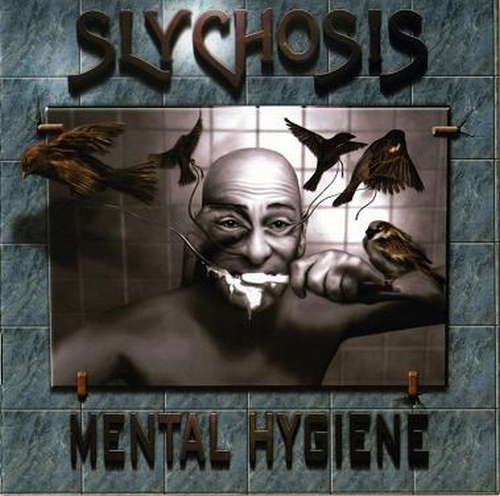
Two years ago I received Slychosis’ second album, Slychedelia, to review, and was immediately impressed by the CD’s striking artwork. Visuals have always been essential in progressive rock, and the Mississippi-based outfit had pulled out all the stops by enlisting the services of Surrealist Ukrainian artist Vladimir Moldavsky. Such a strong visual appeal boded well for the album – which, while not as downright quirky as Moldavsky’s imagery, nonetheless presented an intriguing blend of skilfully used electronics and more traditional instrumentation firmly rooted in a prog framework, with a nice balance between vocal and instrumental parts. My main criticism towards Slychedelia was that it was basically a solo album by mainman Gregg Johns with some guest musicians rather than a band effort, and in some of the tracks the presence of programmed drums (that reliable staple of many a ‘solo-pilot’ project) was often hard to ignore.

For Slychosis’ third album, Gregg Johns seemingly followed my advice by putting together a real band, with vocalist Ceci Whitehurst and drummer/vocalist Todd Sears (both of whom had appeared on Slychedelia), and brand-new bassist Clay Pell. While on Slychedelia a number of tracks had been recorded by Johns without any outside help, Mental Hygiene (a title that hints at Johns’ day job as a psychologist), is very much a group effort, and can also count on the contribution of some guest musicians. With a remarkably restrained running time of under 54 minutes (almost 10 minutes shorter than the previous effort), and tracks averaging 6 minutes, the album sounds like a definite step forward for Slychosis – in the same way as putting together a steady line-up was a step forward for Majestic, the band led by Jeff Hamel, Johns’ collaborator in the Proximal Distance project (guesting here on one track).

However, while I am sure that Slychosis’ evolution will be appreciated by a lot of listeners, my view is (perhaps perversely so) somewhat different. Though the album was obviously put together with a lot of care and dedication, I cannot help seeing it as a step backward if compared with Slychedelia, an album I had found genuinely enjoyable in spite of its flaws. My first listen of Mental Hygiene, on the other hand, left me somewhat puzzled, and – while subsequent listens helped me warm to the album somehow – I still do not find it as convincing as I was expecting it to be. Though there are undoubtedly a number of good ideas there, they are not fully brought to fruition. It feels almost as if the album had two souls – a progressive one, with frequent excursions into prog-metal territory, and a more listener-friendly one, expressed by catchy choruses and engaging melodies. This is the kind of formula perfected by Porcupine Tree (a clear influence on this album) in their more recent releases, and nowadays employed by quite a few outfits – with varying degrees of success

Mental Hygiene makes use of both a female and a male vocalist, one of the hottest trends on the current prog scene Now, though Ceci Whitehurst’s low-pitched, well-modulated voice is undoubtedly pleasing, it does not seem completely suited to the material on offer here. The Slychedelia song on which she guested, the wry “Cosmic Irony”, made good use of her somewhat androgynous tone. Here, instead, she is occasionally swamped by the heavy riffing, and I often found myself wishing for a higher-pitched voice– such as Majestic’s Jessica Rasche, who also contributed her impressive pipes to Proximal Distance’s debut. Moreover, when Todd Sears steps behind the microphone, he sounds oddly similar to Whitehurst – while the definite metallic bent of some of the compositions would call for more assertive voices.

Opener “Geistly Suite” is a prime example of  some of the album’s shortcomings. In less than 8 minutes, three or four main sections can be identified, each of them somewhat at odds with the other. While the first part veers towards prog-metal, with hints of Queensryche’s more symphonic-oriented pieces, the second part features some funky electric piano and synth work, and is then followed by a sedate, vocal-led section vaguely reminiscent of Genesis. While all the instrumental performances are quite worthy of note, the composition as a whole sounds a bit patchy. The same problem surfaces in closing track “Midnight” (featuring guest singer Bridget Shield’s soulful vocals), where a catchy chorus, heavy riffing and distorted guitar coexist without really harmonizing.

Most of the tracks are in a similar mould, with really good bits let down by some less successful ones. The lone instrumental “Odessa”, probably the album’s highlight, provides a showcase for Johns’ considerable skill as a guitarist, ranging from a beautiful, melodic solo with echoes of David Gilmour to wild, unleashed wailing. On the other hand, the melodic ballad “Fallen Tiger” borders dangerously on cheesiness, and might have been omitted without any detriment to the album.  The Celtic-tinged “Things Unsaid” (whose melody reminds me in some odd way of Mike Oldfield’s “Moonlight Shadow”) features an aggressive guitar solo by Bones Theriot of Louisiana-based band Abigail’s Ghost; while the short trumpet solo in the slow, almost plodding “Angelus Novusaum” seems somewhat misplaced in the fabric of the song.

Though this review may come across as a tad harsh, Mental Hygiene – while not as intriguing as Slychosis’ previous release – is nevertheless a perfectly competent album, and points to a band that is gradually coming of age, so to speak. It is to be hoped, however, that their next effort will see them concentrate more on the compositional aspect, as well as not leaning too heavily on the Porcupine Tree/symphonic prog metal influences. The members of Slychosis are obviously talented musicians with a lot to offer, but – in my opinion – they need to find a more distinctive voice of their own, or they will risk going unnoticed on the oversaturated progressive rock scene.

Links:
http://www.slychosis.com

http://www.vladimir-moldavsky.com

TRACKLISTING:

1. GK Contramundum (2:00)
2. Awaiting the Call. (5:10)
3. Parenting Parents (6:45)
4. Utter Once Her Name (5:30)
5. Remembering When (4:00)
6. Ramblin’ Sailor (18:14)
7. Your Healing Hand (8:18)
8. Firmus Finale (4:40)

Bonus tracks (previously unreleased 24-track recordings):
9. Rear View Mirror (3:34)
10. Alison Waits (A Ghost Story) (10:40)

LINEUP:
Alan Benjamin – guitars, basses, stick, mandolin, recorder
Henry Ptak – keyboards, lead vocals, backing vocals, percussion
Mark Ptak – keyboards, backing vocals, percussion
Drew Siciliano – drums

With:
Shunji Saegusa –  bass (6)
Ken Serio – drums (10)

My first contact with Advent’s music dates back from a couple of years ago, when I reviewed Dante’s Inferno, the first instalment of the monumental The Divine Comedy project released by Musea Records. The band’s contribution, a song called “Canto XXVI – The Evil Counselors”, impressed me as one of the most interesting tracks on that 4-CD set; therefore, I eagerly grasped at the opportunity to review their second album, Cantus Firmus – which, even if released exactly five years ago, is still recent enough not to qualify as a ‘vault’ review.

While quite a few North American bands have taken the classic English progressive rock sound of the Seventies as their blueprint, no one, when listening to this album for the first time,  would ever associate Advent with the bustling, overcrowded and down-to-earth East Coast of the US. Though hailing from New Jersey (home of a number of fine prog outfits, such as Shadow Circus, The Tea Club and 3rd Degree), here is a band that sounds more English than most contemporary English bands. Their love for the Old Country is evident right from cover artwork and logo (by artist and illustrator Michael Phipps), inspired by the stunning illuminated manuscripts of the Middle Ages.

Formed in 1989 by two highly accomplished multi-instrumentalists with a wide range of musical interests, Alan Benjamin and Henry Ptak (whose brother Mark joined the band some time later), Advent released their self-titled debut album in 1997, and then dropped off the radar for nine years. After the inevitable line-up changes (notably the addition of drummer Drew Siciliano), in 2006 Cantus Firmus finally appeared, to a very warm reception. The album’s title, meaning ‘fixed song’ in Latin, refers to a pre-existing melody that forms the base of a polyphonic composition – another nod to medieval and Renaissance musical tradition.

Like most acts, modern or otherwise, Advent have their own strong set of references, and are refreshingly honest about it. Though modern bands that openly pay homage to one or more of the prog greats of the Seventies are neither new nor surprising, Advent distinguish themselves from the myriad of Genesis or Yes-inspired outfits by having a rather unlikely pair of bands like Gentle Giant and Procol Harum as their main source of inspiration. Indeed, the band’s name brings to mind one of Gentle Giant’s most iconic songs, “The Advent of Panurge”. With such influences, it is not surprising that the music on Cantus Firmus is sophisticated, understated and devoid of hard edges – as well as admirably tight in compositional terms. Indeed, while not a concept, the album projects a sense of cohesiveness, with the first eight tracks acting much like the movements of a symphony. On the other hand, the two bonus tracks (both originally featured on the band’s debut album), though bringing the album’s running time close to a rather hefty 70 minutes, are not unwelcome additions, as they bear witness to Advent’s gradual but steady development of their own artistic personality.

Advent’s love for everything Gentle Giant immediately surfaces in the opening track, the short but sweet “GK Contramundum”, dedicated to English 20th-century author Gilbert Keith Chesterton, and sung entirely a cappella. The song flows directly into “Awaiting the Call”, a lovely instrumental number with hints of Genesis and Camel in Alan Benjamin’s stately, melodic guitar solo and the lush, elegant sweep of the Ptak brothers’ keyboards. “Parenting Parents” and its companion piece “Your Healing Hand”, both dealing with the topic of the relationship between parents and their children, share the same keenly sentimental quality (which thankfully never descends into mawkishness): while the latter is very sparse, almost hymn-like in tone with its whispered vocal harmonies, the former couples lilting, madrigal-like passages of touching sensitivity with instrumental surges led by Benjamin’s fluid, crystal-clear guitar.

“Utter Once Her Name”, a sparse, meditative number with a strong Gentle Giant vibe, and the hauntingly beautiful instrumental “Remembering When”, featuring some really inspired acoustic and electric guitar work, introduce the album’s centrepiece, the 18-minute “Ramblin’ Sailor”. Featuring the participation of Japanese band Kenso’s bassist, Shunji Saegusa, it is based on a traditional English folk song called “The Rambling Sailor”; the stunning complexity of its instrumental parts is relieved by the sprightly, cheerful nature of  the contrapuntal vocal parts, including a chorus of ‘carousing sailors’. The magnificent central section is occasionally reminiscent of the stately yet riveting pace of Genesis’ instrumental compositions, while the titular sailor’s farewell to the sea is conveyed by a slower, more sedate passage enhanced by the distinctive sound of the recorder. The core of the album is then brought to a close by the upbeat, fanfare-like “Firmus Finale”, in which hints of Gryphon’s quirky take on medieval music join the Genesis and Gentle Giant influences.

Though some might complain that Cantus Firmus is not a truly original proposition, and wave the dreaded ‘retro’ word around, the album – far from being a mere tribute-like effort – simply oozes class and dedication. In spite of the individual band members’ impressive chops, in this case technical skill is put at the service of the music, and not the other way round. Moreover, the emotional content is conveyed with grace and delicacy rather with the self-indulgent angst typical of may higher-profile bands. Gentler and more meditative than the output of bands in a similar vein such as Änglagård or Wobbler, Cantus Firmus will definitely appeal to fans of vintage prog of an eclectic bent – though some listeners might be turned off by its unabashed sentimentality and occasional church-like gravity. At the time of writing, Advent are working on their third album, which will hopefully be released within the year.

Links:
http://www.adventmusic.net

http://www.michaelphipps.net/

TRACKLISTING:
1. Verso l’Alba (2:52)
2. Insolita Parte di Me  (7:20)
3. Boccadasse  (5:20)
4. Le Due Metà della Notte  (5:18)
5. La Stanza Nascosta  (5:10)
6. Danza Esoterica di Datura  (6.07)
7. Faldistorum  (6:06)
8. L’Attesa  (4:36)
9. Il Centro Sottile  (9:39)
10. Antidoto Mentale  (3:30)

LINEUP:
Stefano “Lupo” Galifi  – vocals
Elisa Montaldo – piano, keyboards, organ, concertina, vocals, sound effects
Fabio Gremo – bass
Giulio Canepa – guitars
Paolo Tixi – drums

With:
Max Manfredi – voice (7)
Antonio Fantinuoli – cello (5)

Known outside Italy as the hometown of Christopher Columbus, the bustling seaport of Genoa has had a long tradition as a hotbed of musical creativity – starting as far back as the late 18th century with legendary violinist Niccolò Paganini. Then, in the early 1960s came the ‘Genoese school of singer-songwriters’, whose foremost representative, Fabrizio De André, is known to prog fans for his collaboration with PFM. About ten years later, a number of influential progressive rock bands were formed,  such as Delirium and New Trolls – two outfits that are still producing great music in the early 21st century. In particular, Delirium’s comeback album of 2009, Il Nome del Vento (reviewed elsewhere on this blog) stood out among the plethora of prog releases for successfully marrying the glorious heritage of Italian prog with a thoroughly modern sound quality. The same accomplished nature is shared by this stunning debut by Delirium’s label mates (and fellow Genoese) Il Tempio delle Clessidre.

Named after the final section of the titular suite of Museo Rosenbach’s one-off Zarathustra – one of the most iconic albums of the Italian Seventies – Il Tempio delle Clessidre (“The Temple of Hourglasses”) have been around since the summer of 2006, when keyboardist Elisa Montaldo and bassist Gabriele Guidi Colombi met former Museo Rosenbach vocalist Stefano “Lupo” Galifi. The idea that brought the band together was to perform the whole of the Zarathustra album live on stage with Museo Rosenbach’s original singer, using vintage instruments, and subsequently start penning original compositions inspired by the spirit of the golden years of Italian prog. After some line-up changes, Il Tempio delle Clessidre’s self-titled debut album was released in September 2010 by Genoa-based label Black Widow Records.

For all its cult status, Italian prog can be seen as very much of an acquired taste – mainly on account of its operatic, occasionally overblown nature, especially as regards the vocal department. In this respect, Galifi’s warm, bluesy vocals (also heard on one track of Delirium’s 2009 album), which add an emotional yet somehow informal note to the lush textures of the band’s music, are definitely Il Tempio delle Clessidre’s not-so-secret weapon. The tightly organized compositions, never gratuitously meandering, strike the right balance between melody and complexity, without a second wasted in pointless noodling, and with enough changes of pace to make the most demanding prog fan happy. Although the singing is strongly emphasized,  there is also a lot of room for the instrumentalists to display their considerable chops. Indeed, the pristine sound quality allows each of the musicians’ performances to shine, and captures every nuance of Galifi’s seasoned vocal delivery, honed in years of fronting blues-rock bands; while the pronounced melodic bent tempers the intensity of the lyrics and the dense esoteric symbolism of the cover art and booklet.

Interestingly, with the sole exception of the almost 10-minute “Il Centro Sottile”, the tracks on the album are all relatively short, with an average running time of 5 minutes. The album itself, at about 55 minutes, is markedly shorter than the majority of current prog releases, some of which skirt the 80-minute mark. Those who appreciate the instrumental aspect of progressive rock rather than the vocal one will be glad to learn that Il Tempio delle Clessidre manages to balance both sides quite admirably. Opener “Verso l’Alba”, the only completely instrumental track on the album, sets the scene with the deep, Gothic sound of the organ and wind-like effects, developing into a keyboard- and guitar-driven piece reminiscent of a heavier Genesis. “Insolita Parte di Me”, at 7 minutes the second longest track, alternating quieter passages with more dramatic ones, dominated by Elisa Montaldo’s magnificent keyboards, is a perfect example of how the band manage to achieve the structural complexity typical of prog without sacrificing the unique Italian attention to melody. Montaldo, who is the main composer together with bassist Fabio Gremo, handles her array of instruments with impressive skill and flair. “Le Due Metà della Notte”, interpreted with warmth and feeling by Galifi, is a splendid keyboard showcase that combines melody and intensity; while in the sedate “La Stanza Nascosta” the piano and Galifi’s stunning vocals conjure a melancholy, meditative atmosphere. On the other hand, the mid-paced “Boccadasse” (dedicated to a picturesque mariner’s neighbourhood of Genoa) is a more conventionally structured song, with a very catchy chorus and a beautiful, melodic guitar solo.

However, it is the two central numbers that prove to be the most distinctive, in keeping with Black Widow’s keen interest in the mystical and the esoteric. “Danza Esoterica di Datura”, as the title implies, opens with a brisk, dance-like pace, and culminates with an extract from Shakespeare’s Macbeth, chanted by Montaldo in tense, dramatic fashion; some of the keyboard inserts are appropriately reminiscent of Goblin’s Dario Argento soundtracks, such as the renowned Profondo Rosso. The cryptically-titled “Faldistorum” sees the Hammond organ take the lead in parallel with the drums, introducing a male voice reciting a short text in an emphatic, melodic yet slightly ominous manner, reinforced by the closing strains of a church organ. The following “L’Attesa”, a rich, energetic keyboard-fest, is very much in the vein of classic Italian heavy progressive acts such as Il Balletto di Bronzo and Biglietto per l’Inferno; while in the solemnly melodic “Il Centro Sottile” all the instruments strive to create a lush texture that can bring to mind Genesis or Banco del Mutuo Soccorso in their heyday. After a somewhat lengthy pause, the album is wrapped up by the poppy, rather undistinguished “Antidoto Mentale”, which in my view is the only track that smacks a bit of filler.

Blending the warmth and melodic flair of the Mediterranean musical tradition with the driving energy of rock and the artistic ambition of prog, Il Tempio delle Clessidre’s debut deserves to be hailed as one of the standout releases of 2010, and one of the most promising albums to have come out of Italy in a long while. While taking their cue from the music produced in the Seventies – and, thankfully, not pretending to reinvent the wheel – the band manage to sound fresh and up-to-date, and not a mere exercise in nostalgia. A flawlessly performed, lovingly presented effort, Il Tempio delle Clessidre will surely bring a lot of listening pleasure to the many fans of Italian progressive rock.

Links:
http://www.myspace.com/iltempiodelleclessidre

http://www.museo.it

http://www.blackwidow.it

TRACKLISTING:
1. A Visit to Newport Hospital (8:25)
2. Contrasong (4:21)
3. Boilk (9:23)
4. Long Piece No. 3 –  Part One (5:06)
5. Long Piece No. 3 –  Part Two (7:39)
6. Long Piece No. 3 –  Part Three (8:01)
7. Long Piece No. 3 –  Part Four (2:51)

LINEUP:
Mont Campbell – bass, vocals, organ, piano, French horn
Dave Stewart – organ, piano, tone generator
Clive Brooks – drums

With:
Henry Lowther – trumpet (2)
Mike Davis – trumpet (2)
Bob Downes – tenor sax (2)
Tony Roberts – tenor sax (2)

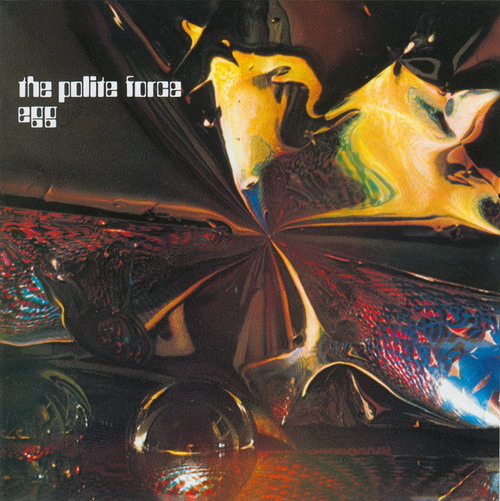
Released in 1971, Egg’s sophomore effort is one of those albums that, in a way, can be said to be representative of a whole movement, though they rarely get the appreciation they deserve. Though “Canterbury scene” may sound rather vague as a definition, being more about a place than an actual musical style, it is nonetheless undeniable that most of the bands and artists associated with this most peculiar subgenre do share a number of features that go beyond their somewhat ‘incestuous’ sharing of personnel. Many see the output of the  “Canterbury scene” as a subsection of jazz-rock with poppy leanings and occasional excursions into more avant-garde territory; however, to these ears at least, the best Canterbury outfits offer a complete progressive package of humour, sophistication, diverse influences, and remarkable musical chops. Quintessentially English,  with a timeless feel that often eludes the more stereotyped instances of symphonic prog, the Canterbury sound commands fierce devotion, though its quirky nature can also leave listeners somewhat cold.

To all intents and purposes, Egg was a continuation of Uriel, the psychedelic progressive quartet that also included guitarist Steve Hillage (later with Khan and Gong), whose only album was released in 1969 under the name of Arzachel.  After Hillage left, the three remaining members took a different, more experimental route, pushing the keyboards at the forefront, and dabbling in those genre-defining contaminations between rock and classical music – as witnessed by “Fugue in D Minor” and “Symphony No.2”, both featured on their 1970 self-titled debut album.

In spite of its cult status among true-blue Canterbury fans, The Polite Force is generally not rated as highly as the likes of Third or In the Land of Grey and Pink. Some reviewers have even hinted at comparisons with the much-reviled ELP – owing to the similar configuration of both bands – which, unfortunately, does not do the album any favours. Now, though I consider ELP one of the most influential bands in the history of progressive rock, and rate their first five studio albums quite highly, I do not find the connection between their sound and Egg’s as evident as some maintain. While The Polite Force is very much a showcase for Dave Stewart’s distinctive style, and therefore a real delight for keyboard fans, it would also be unfair to state that the band is dominated by him. In fact,  bassist/vocalist Monty Campbell and drummer Clive Brooks (who joined blues-rock trio The Groundhogs after Egg’s demise) do not just function as supporting cast for Stewart’s keyboard antics, but drive the band’s sound along with their impressive, though understated, skills. Campbell is also a vocalist very much in the classic Canterbury mould, with a polite (pun unintended), pleasant voice that is the perfect complement to the band’s quirky, complex sound.

Though seven tracks are listed on the back cover, the album actually comprises four compositions, one of which, “Long Piece No.3” is divided into four parts. “A Visit to Newport Hospital” is one of the most impressive openers to be found on a Canterbury album – introduced by an almost Sabbath-like riff, heavy and plodding, which suddenly loosens up into a cheery, sprightly organ section. The gently ironical lyrics, relating some of the band’s experiences in their Uriel days, are an unobtrusive yet essential accompaniment to Stewart’s elegantly assertive organ; Brooks’ drumming underpins everything with a discreet touch.  The song then comes full circle, ending with the same gritty organ riff as it began.  In the following “Contrasong” a full-blown horns quartet punctuates Stewart’s dynamic piano forays and Campbell’s urgent vocals, with a basic 5/8 9/8 pattern reminiscent of Gentle Giant’s counterpoint arrangements; Stewart switches to organ later during the song, propelling it forward in parallel with Brook’s drumming, and the horns coming in bursts.  Next comes the somewhat controversial “Boilk”, a full-fledged avant-garde piece almost 10 minutes long, very much in the vein of King Crimson’s “Moonchild”. The composition, which had already appeared on Egg’s debut (though in shorter form), opens with the sound of running water, and includes improvisations on a Bach theme, tolling bells and a host of other effects.

The album closes with the ‘epic’ instrumental “Long Piece No.3”, about 20 minutes long if taken as a whole – though its four parts are listed separately. As the liner notes point out, the ‘outer’ parts (One and Four) are rhythmically based, while the ‘inner’ ones are harmonically based. Interestingly, the whole composition comes across as somewhat fragmented, with frequent pauses breaking up the flow of the music. Part One opens with Stewart’s briskly repetitive organ, assisted by Campbell on piano and organ, and driven along by Brooks’ skilful drumming. Part Two immediately introduces Stewart’s fluid organ, with the drums going back to a supporting role (though essential), and a palpably more melodic texture – though its central section contains a sort of improvisational organ piece that might bring “Boilk” to mind. Campbell’s bass introduces the textbook-Canterbury Part Three, with its almost military drum pattern, unbridled organ flights (sometimes reminiscent of Soft Machine’s Mike Ratledge), and tone generator adding wailing, guitar-like effects. Part Four wraps up the album in a short but intense climax, driven along by frantic drumming and harsh, fuzzed organ.

As Edward Macan intimates in his book Rocking the Classics, The Polite Force can be seen as bridging the gap between keyboard-based symphonic prog and the jazzier, quirkier sound typical of the Canterbury scene. Definitely one of the finest moments of  Stewart’s career, its eclectic nature – featuring as it does avant-garde experimentation, more or less ‘conventional’ songs, classical touches and plenty of instrumental brilliance –is likely to appeal to a wide range of fans of progressive music. While not a full-blown masterpiece like Third or The Rotters’ Club, it is doubtlessly one of the most interesting productions coming from the variegated Canterbury universe – and as such highly recommended.

TRACKLISTING:
1. The Cave (23:35)
2. White Light, No Heat (11:28)
3. God’s Elastic Acre (18:16)
4. Sati & The Trainman (11:14)

LINEUP:
Gayle Ellett – analog and digital keyboards, electric guitar, effects
Chuck Oken, Jr. – analog, digital and modular keyboards, electronic percussion, effects, loop processing and reconstruction

With:
Richard Pinhas – guitar loops (1-3)

Ukab Maerd’s The Waiting Room, the second of Djam Karet’s side projects to be  released in 2010, is a very different affair from Mike Henderson’s song-oriented White Arrow Project. The brainchild of Djam Karet’s founding members Gayle Ellet and Chuck Oken, Jr., with legendary French musician Richard Pinhas guesting on three out of four tracks, Ukab Maerd (“Baku Dream” spelled backwards – a reference to DK’s 2003 album A Night for Baku) is a vehicle for the creation of hypnotic soundscapes inspired by the European electronic music of the Seventies. The two musicians describe the album’s content as mind music that draws its inspiration from dream language and Surrealist art – a definition that fits it to a T.

While neither an expert nor a dedicated listener of progressive electronic music, I recognize its importance both in historical and artistic terms, and The Waiting Room provides a fine example of the possibilities offered by technology. Even if its running time of about 64 minutes (divided into four tracks, none under 11 minutes) might turn it into an ordeal for people who are not used to listening to music produced almost exclusively with electronic instruments, the album undeniably possesses a mesmerizing quality, at least if taken in judicious doses. As can be expected, the main points of reference are German giants such as Tangerine Dream and Klaus Schulze, as well as their followers from other European countries (including Pinhas’ former band Heldon). Most of the album was recorded live at two different performances by Ellett and Oken, with Pinhas’ parts added subsequently.

Many people are put off by electronic music on account of its supposedly cold, overly cerebral nature, unlike warmer, more down-to-earth musical forms such as rock or blues. While this may in some respects not be entirely wrong, the music presented on The Waiting Room intrigues and captures in a sharply different fashion than guitar-driven rock, progressive or otherwise. As the pointed out in the press release, it is music that appeals to the mind rather than the body, conceived to be listened to with some degree of concentration, and therefore always at risk of fading in the background if used as a soundtrack for other activities. With a minimal amount of percussion, and guitars manipulated in such a way as to become unrecognizable, the music ebbs and flows with hypnotic regularity, while all kinds of electronic sound effects enhance the moods and atmospheres created by layers of synthesizers.

“The Cave” evokes the titular place with uncanny accuracy, eerie sounds suggesting machinery or sloshing underground waters, the keyboards surging in waves or subsiding with a movement that may come across as monotonous, but also subtly unsettling and quite fascinating. The following “White Light, No Heat” alternates between majestic keyboard surges that create a sense of keen tension and disturbing industrial noises, replaced in the second half by tinkling yet vaguely robotic keys; while “God’s Elastic Acre” unfolds in a cinematic sweep underpinned by clanging, echoing sounds, droning and bubbling noises, while the solemn tone of the keyboards takes on a more upbeat, Eastern-tinged note towards the end. Album closer “Sati and the Trainman”, the more accessible number by far, revolves around a pulsating synth line paralleled by a slower, more atmospheric tune that suggests a train running through a darkened, slightly sinister landscape.

Needless to say, devotees of this particular genre will be able to show The Waiting Room the appreciation it deserves; while those listeners who can only process small quantities of almost completely electronic music might find it a bit too demanding to sit through the whole 64 minutes, and decide instead to break the album into separate segments. On any account, The Waiting Room is a fine example of vintage progressive electronics, and –  even for those who, like me, have never been keen followers of electronic music – it is very much worth a listen.

Links:
http://www.myspace.com/ukabmaerd
http://www.djamkaret.com