Feeds:
Posts
Comments

Posts Tagged ‘Drums’

TRACKLISTING:

1. Schizoid & Guntrip (2:46)
2. In the Movie of You (7:57)
3. Devotee (7:24)
4. Ambiance for the Active Mind (6:40)
5. Fantastic Dreamer (6:26)
6. Releasing (5:21)
7. Fading in the Rain (6:29)
8. Upon Further Review (4:26)
9. Vision (13:50)

LINEUP:

Henry Tarnecky – vocals, keyboards
Blake Tobias – keyboards, bass
Jack Wright – guitars, drums

With:
Glenn Arpino – keyboards
Tom Shiben – bass
Nicole Tarnecky – vocals

Temporal Chaos Project (TCP for short) are a trio based in different states of north-eastern USA, who initially met on the Internet and started a collaboration that resulted in the album The Way, released in 2009. Their second album, Fantastic Dreamer, followed in April 2011, with the core group of Henry Tarnecky, Blake Tobias and Jack Wright augmented by three guest musicians. Both albums were released on Georgia-based label 10T Records, one of the most interesting independent labels for progressive rock.

In spite of their name, there is nothing chaotic about TCP. Fantastic Dreamer, which has garnered a lot of positive critical attention since its release, is one of those albums for which the definition ‘solid’ seems to be tailor-made. Though studio-only projects can often be hit-and-miss, formally perfect but somewhat lacking in the soul department – therefore producing an overall unsatisfactory impression – TCP’s sophomore effort comes across as a mature, well-balanced album, with excellent instrumental performances, enough compositional complexity to appeal to fans of traditional prog, and more than just a smattering of contemporary flair. While some bands or artists show a more or less clear direction (as in symphonic, neo or prog-metal), TCP are unabashedly eclectic, with roots in the great progressive tradition and some recognizable classic influences, yet no fear of dipping their collective toes in more modern waters. While TCP’s eclecticism is of a different kind than the one displayed by bands of a more innovative disposition, the end result is definitely worthy of attention.

Running at about one hour (in my opinion, the almost perfect length), Fantastic Dreamer features 10 tracks, most of them between 2 and 8 minutes, with the exception of the ‘epic’ “Visions”, an ambitious yet cohesive piece that wraps up the album in fitting fashion.. Though, like many modern prog albums, Fantastic Dreamer is very much vocal-based, TCP achieve admirable balance between the singing and the lush, varied instrumental sections. Keyboardist Henry Tarnecky is in charge of the vocals, and does a fine job of it. His voice brings to mind the husky, slightly rough around the edges tone of Peter Gabriel, with some hints of the dramatic power of Peter Hammill or Fish, and fits the material perfectly.

Though clocking in at under 3 minutes, opener “Schizoid & Guntrip” already sets the tone for the whole album – a melodic yet assertive number, evoking a vintage hard rock vibe, with a subtly catchy quality and sleek instrumental interplay. “In the Movie of You” blends suggestions of early Pink Floyd (down to the use of recorded ambient sounds) with heavier tones, the sharpness of the guitar tempered by the gentleness of the piano. Pink Floyd references also crop up in the aptly-titled “Ambiance for the Active Mind”, where the atmospheric surge of the keyboards climaxes in dramatic rifferama before loosening up in a lovely guitar solo amidst waves of mellotron; while the mid-paced “Releasing”, with the faintly eerie tone of the guitar solo, points rather to the later output of the seminal English band. The catchiest number on the album, “Devotee” pushes keyboards and vocals to the forefront, with plenty of drama and melody in the vein of crossover/art rock bands like Queen or Supertramp.

With the title-track and “Fading in the Rain”, TCP tread similar territory, displaying their grandiose, even bombastic side, though without overdoing things; the latter song in particular, in which Tarnecky is assisted by a female guest vocalist, Nicole Tarnecky, clearly references Genesis, with airy guitar soloing and masses of stately keyboards. The folksy, mainly acoustic “Upon Further Review”, embellished by harpsichord and Mellotron, acts as an introduction of sorts to the 13-minute “Visions”, a powerful keyboard-driven extravaganza composed by guest musician Glenn Arpino, in which a climactic crescendo somewhat reminiscent of Supertramp’s more ambitious pieces is bookended by rarefied, understated passages and fluidly melodic guitar leads.

While I would not go as far as to call Fantastic Dreamer a masterpiece (as other enthusiastic reviewers have done), it is undoubtedly a very well-crafted album, with all-round excellent performances, and an interesting compositional structure. The occasional bouts of heaviness do not disrupt the melodic, nicely knit fabric of the music, and Henry Tarnecky’s expressive vocals tackle the often ambitious lyrical matter with assurance and aplomb. The very detailed CD booklet, enhanced by striking artwork and photography, adds visual interest to a substantial musical package. Even if TCP are, at least for the time being, a studio-based project, I hope they will consider taking their music on the road in the near future, because they sound like a band worth hearing in a live setting.

Links:
http://www.temporalchaos.com/html/home.html
http://10trecords.com/


Read Full Post »

TRACKLISTING:
1. Day Of Destiny (4:06)
2. The Wrap (Intro) (5:16)
3. Under The Wrap (38:19)
4. An Angel (5:42)
5. Ilusionist (1:16)
6. The Wrap (Outro) (4:59)

 LINEUP:
Antony Kalugin – keyboards, vocals, percussion
Maxim Velichko – electric guitars
Sergey Balalaev – drums
Kostya Ionenko – bass
Sergey Kovalev – bayan, vocals
Roman Gorielov – acoustic guitar, backing vocals

With:
Helen Bour – oboe (1, 2)
Alexandr Pastukhov – bassoon (1, 2, 3)
Oksana Podmaryova – cello (3, 6)
Max Morozov – viola (3, 6)
Daria Maiourova – violin (3, 6)

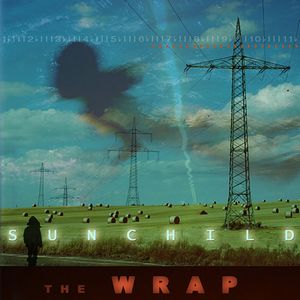
One of the projects by talented and prolific Ukrainian musician Antony Kalugin (also involved with Karfagen and Hoggwash), Sunchild released their debut album, The Gnomon, in 2008, followed by The Invisible Line in 2009. The Wrap, the band’s third album, was recorded over a two-year period, and released in September 2010. An accomplished artists in spite of his young age, Kalugin has picked a group of gifted Ukrainian musicians for his projects, including string and woodwind players that give his bands’ musical output a well-rounded symphonic dimension.

Like a number of other bands from the Russian Federation, Sunchild’s approach to progressive rock is more traditional than innovative, though carried through with panache and impressive technical skill. While the band’s sound is not as openly influenced by classical music as the likes of Little Tragedies, Kalugin’s use of keyboards favouring piano and synthesizers rather than organ, quite a few diverse influences are detectable in Sunchild’s music other than the expected symphonic/Neo-prog strain. Alongside the intense melodic content, enhanced by pleasing vocal harmonies and lovely piano and flute passages, a distinct progressive metal feel surfaces in some of the compositions, which is in line with the trend followed by many contemporary bands that might be gathered under the Neo umbrella.

Like its two predecessors, The Wrap is based around an elaborate, rather esoteric philosophical concept, in this case the conflict between the self and its shadow – something that is likely to send some people running for the exits, and cause great delight in others. Although Kalugin was assisted by a native speaker of English, Will Mackie, in penning the lyrics, they are somewhat hit and miss – which anyway is not a particularly important factor, as I am first and foremost interested in the music. Unless lyrics contain something highly offensive (which is not the case here), I tend to be quite indifferent to them, unlike other critics that are often quick to point out any lyrical shortcomings. In any case, Kalugin is a more than adequate vocalist, capably assisted by his bandmates in the harmony parts, and even his slight accent does not detract from his delivery as is the case of other non-English-speaking musicians

Running at slightly below 60 minutes, The Wrap is dominated by the almost 40-minute epic “Under the Wrap”, which is strategically placed in the middle of the album (a good move, in my view). As I have pointed out on several occasions, I believe that it is extremely difficult for any given band or artist to sustain a composition of such length when it is conceived as a single block, and “Under the Wrap” is no exception. In spite of the undeniable quality of the music, the epic is more of a collection of disparate passages following one another without a common thread than an organic whole, which would have probably benefited from being presented in separate sections. As things are, the composition comes across as quite patchy, its first half starting out in subdued fashion, with subtle references to the great Russian composers of the Romantic era (reinforced by the presence of a bassoon and a string section), and then heading in a strongly metal-flavoured direction suggestive of Dream Theater circa Images and Words. The second half, instead, is strongly reminiscent of Genesis, with a couple of vocal passages in which Kalugin sounds very much like Peter Gabriel, a definitely classical-sounding, string-led section, and then a beautifully melodic guitar solo fading out at the end. Though the musicianship is consistently top notch, there are simply too many ideas left somehow underdeveloped, and not enough cohesion.

The remaining five tracks on the album are noticeably shorter the epic, and certainly much more successful in sheer compositional terms. Three of them feature vocals, and are generally mid-paced, melodic pieces with lush keyboard and guitar textures and excellent vocal parts. Opener “Day of Destiny” borders on AOR, with a very catchy chorus and flawless instrumental interplay; while closing track “The Wrap (Outro)” briefly reprises the opener’s main theme, with a brief metal-tinged section leading to an atmospheric, string-led conclusion. On the other hand, “An Angel”, followed by the short, soothing acoustic interlude “Illusionist”, as the title implies is a lovely, rarefied ballad featuring a gorgeous guitar solo backed by piano and percussion. The other instrumental track, “The Wrap (Intro)”, seems to reproduce the structure of the epic, though in a more cohesive way, blending prog-metal suggestions with pastoral moments in the vein of vintage Genesis or Camel.

As the previous paragraphs illustrate quite clearly, The Wrap is quite likely to appeal to fans of classic symphonic and Neo-prog, even if the occasional prog metal overtones may put off some of the more traditionally-oriented listeners. In any case, even if decidedly retro in tone, it is a finely-crafted album brimming with enjoyable melodies, and executed with undisputable skill and professionalism. The very thorough booklet, with its stylish artwork and photography, is also deserving of a mention. In spite of the somewhat patchy nature of the epic, the album would be a worthy addition to the music collection of any melodic prog lover.

Links:
http://www.antonykalugin.net/


Read Full Post »

TRACKLISTING:

CD1
1. Hymn (4:29)
2. The Joy of Molybdenum (feat. The Trey Gunn Band) (5:29)
3. The Fifth Spin of the Sun (2:04)
4. Val El Diablo (feat. Alonso Arreola) (4:35)
5. Morning Dream (feat. Sergey Klevensky) (6:49)
6. Real Life (5:12)
7. Maslenitsa (feat. The Farlanders) (9:31)
8. Gallina (1:05)
9. Dziban (6:15)
10. Misery, Misery, Die, Die, Die… (feat. TU) (1:55)
11. Pole (0:44)
12. Thick and Thorny (feat. Quodia) (2:35)
13. Down Spin (1:13) 14. Absinthe & A Cracker (feat. TU) (3:17)
15. The Shimmering (2:23)
16. Fandango (feat. TU) (4:05)
17. Well (feat. Inna Zhelannaya) (5:56)

CD2
1. Jacaranda (feat. KTU) (3:57)
2. The Magnificent Jinn (3:24)
3. Contact (3:50)
4. Drunk (feat. Inna Zhelannaya) (6:26)
5. Killing for London (6:32)
6. Kuma (4:29)
7. Single Cell Shark (feat. Matte Henderson) (3:31)
8. Cheeky (feat. matt Chamberlin) (3:33)
9. Make My Grave in the Shape of a Heart (feat. TU) (1:24)
10. Spectra (1:57)
11. Capturing the Beam (1:23)
12. Hard Winds (3:05)
13. Arrakis (feat. The Trey Gunn Band) (6:54)
14. Flood (3:17)
15. Untamed Chicken (feat. TU) (4:15)
16. Down in Shadows (feat. N.Y.X.) (4:44)
17. Californ-a-tron (0:49)
18. Vals (feat. Sergey Klevensky) (3:18)
19. 9:47 P.M. (feat. Saro Cosentina) (5:03)

Reviewing a compilation obviously involves a rather different process than reviewing an album of completely new material. My readers will forgive me if this write-up is not as detailed as my reviews usually are, and, for instance, does not include information on all the musicians featured on every track. In this particular case, the compilation is a 2-CD package, comprising a total of 36 tracks spanning almost 20 years of the career of one of the most interesting artists on the current music scene – Texas-born touch guitarist, composer and multimedia storyteller  Trey Gunn, known to the majority of prog fans for his 10-year stint in King Crimson.

I have to admit to having been for quite a long time largely unfamiliar with Gunn’s musical output outside Fripp’s legendary band and a handful of scattered tracks from some of his solo projects. However, two years ago I had the opportunity to see him perform live as a guest of Eddie Jobson’s UKZ project, and was highly impressed by his skills and warm stage personality. Later, I found out that he was born exactly two days before me – perhaps not very relevant from a musical point of view, but an interesting bit of trivia nonetheless.

Released in November 2010, I’ll Tell What I Saw is jam-packed with extremely stimulating music taken from the numerous albums recorded by Gunn in the years from 1993 to the present day, both in his own name or with various other projects featuring international artists. Running at over 2 hours, it manages to sustain a consistently high level of quality, with hardly any filler at all, offering a heady mix of musical styles interpreted with flair, skill and soul. Indeed, Trey Gunn’s output might easily be held up as an example of a genuinely progressive approach to music-making, open-minded and eclectic, always looking for new sources of inspiration, and never letting his creative impulse grow stale.

The oldest items included in the compilation date back from Gunn’s debut album One Thousand Years (released in 1993), and (perhaps unsurprisingly) reveal a strong King Crimson influence, with “Kuma” in particular sounding like something out of the magnificent Discipline. As a matter of fact, the Crimsonian vibe can be heard in all of Gunn’s Nineties material, as witnessed by “Hard Winds”, another track characterized by the insistent, interlocking guitar lines and heavy yet intricate drumming typical of Fripp’s crew in their Eighties and Nineties incarnations. Gunn’s two more recent projects involving drummers – TU with fellow KC alum Pat Mastelotto, and Modulator with German-born wunderkind Marco Minnemann (who was also part of Eddie Jobson’s band when I saw them in 2009) – spotlight the marriage between the drums and the stunning versatility of Gunn’s trademark Warr guitar, with dramatic, mesmerizing textures and plenty of driving energy. However, while the TU tracks are more structured, the Modulator stuff (originally conceived as a 51-minute guitar solo) is largely improvisational in nature. Some of these numbers, especially the thunderous “Untamed Chicken”, seem to emphasize the drum-driven heaviness that characterizes compositions like “Level Five” (from King Crimson’s 2003 album The Power to Believe). Italian outfit N.Y.X.’s “Down in the Shadows” carries nuances of ‘alternative prog’ in the dark, industrial-tinged style perfected by Tool; while the bass-powered “Arrakis”, recorded live in 2001, foreshadows the avant-fusion of contemporary bands such as Zevious.

On the other hand, Gunn’s collaboration with Russian singer Inna Zhelennaya on her 2009 album Cocoon and on the eponymous 2005 album by The Farlanders explore the fascinating reaches of world music, injecting a welcome dose of thoroughly un-cheesy melody (also evidenced in gorgeous opening “Hymn”) in the proceedings. Zhelennaya’s hauntingly keening Russian-language vocals, somehow reminiscent of Lisa Gerrard’s otherworldly chanting, blend uncannily well with Gunn’s quicksilver guitar, producing some very distinctive results in the likes of the hypnotic “Maslenitsa” (the longest track on the album at almost 10 minutes, and possibly its highlight), “Well” and “Drunk”. Entrancing ambient tones, coloured with a feel of gentle melancholy, surface in Gunn’s collaboration with Russian clarinetist Sergey Klevezny; while the slow, liquid “9:47 PM Eastern Time” brings to mind KC’s “The Sheltering Sky”. KTU’s accordion-laden ”Jacaranda” and the Middle Eastern-flavoured “The Magnificent Jinn” branch further out in world music territory, though combining those ethnic influences with the angular dynamics typical of King Crimson.

As exciting and eclectic as I’ll Tell What I Saw is, I would not recommend listening to the whole 2-CD set in one take, since music this challenging and edgy might induce a sense of sonic overload, especially in those listeners who are used to more conventionally structured fare. Thankfully, there is enough diversity within those 36 tracks to keep the most demanding listeners happy. It is, however, music with a high level of complexity, even in the case of the shorter compositions, and needs to be approached with the right attitude. All in all, this is an excellent summary of Trey Gunn’s adventurous, ever-changing career, and an outstanding introduction to the work of one of the most intriguing purveyors of genuinely progressive music on the current scene.

Links:
http://www.treygunn.com

Read Full Post »

TRACKLISTING:
1. Un Dono (2:13)
2. Wizard Intro (3:03)
3. Madre Africa (7:54)
4. Questa Penombra E’ Lenta (6:57)
5. Chimera (4:23)
6. The Game (10:38)
a. Wizard of your Sky
b. Mickey’s
c. Jump
d. Wizard of your Life
7. Cluster Bombs (6:43)
8. This Open Show (3:16)
9. C’Era Una Volta (2:59)

LINEUP:
Paolo Siani – drums, vocals, keyboards, bass, guitars

With:
Ricky Belloni – electric guitar (6)
Carlo Cantini – violin (6)
Guido Guglielminetti – bass (2, 4, 6)
Mauro Pagani / flute (3)
Alessandro Siani – electronics (1, 5)
Franco Testa – bass (5)
Roberto Tiranti – vocals (3, 6, 7)
Giorgio Usai – Hammond organ (6)
Joe Vescovi – Hammond organ (3)
Marco Zoccheddu – electric guitar (2, 3, 4, 7), piano (5, 7)
Gianni Alberti – sax (5)
Ottavia Bruno – vocals (5)
Giacomo Caiolo – acoustic guitar (4)
Nadia Enghèben – soprano (3)
Alberto “Artley” Buttarelli – vocals, flute (8)
Diego Gordi – piano (8)
Fabio Gordi – piano (8)
Daniele Pagani – piano (8)
Giuliano Papa – cello (8)
Vittorio Pedrali – vocal recitation (1)

In spite of his tenure as the drummer of Italian Seventies band Nuova Idea, Paolo Siani is certainly not a household name in the world of progressive rock – unless you count those dedicated fans of the scene who collect even the most obscure albums. Additionally, he shares the same name with an Italian-American artist of vastly different temperament, which can be misleading to those who are looking for more information. Although an excellent outfit, Nuova Idea did not achieve the fame of their fellow Genoese New Trolls (whom keyboardist Giorgio Usai and guitarist Ricky Belloni joined after the band’s demise) or Delirium, and disbanded after their third album, the highly-regarded Clowns, released in 1973. Subsequently Siani joined avant-garde outfit Opus Avantra for their second album, then beat band Equipe 84. Though he dropped off the musical radar for almost three decades, he worked as a producer and kept writing and recording his own music. It was the renewed interest in prog and the Italian Seventies scene that prompted Siani to resume his career as a musician – as well as a commendable humanitarian purpose, that is, raising funds on behalf of Genoa’s renowned Gaslini paediatric hospital.

Though Castles, Wings, Stories and Dreams, released by Genoa-based label Black Widow, is to all intents and purposes a solo project by Siani, it also sees a reunion of sorts of his mother band, as well as an impressive roster of guest musicians, including three of his former Nuova Idea bandmates: the above-mentioned Giorgio Usai and Ricky Belloni, plus guitarist Marco Zoccheddu, who had left the band to join Osage Tribe after Nuova Idea’s debut. Unlike many albums of this kind, however, it is remarkably tight from a compositional point of view. Moreover, despite Italian prog’s reputation for being somewhat overwrought,  the album avoids that particular trap, keeping melody and clarity at the forefront while not neglecting the occasional flight of instrumental fancy.

Clocking in at under 50 minutes, Castles, Wings, Stories and Dreams is a decidedly song-oriented effort that manages to achieve a good balance between vocal and instrumental parts. The album opens with “Un Dono”, where an expressive male voice recites a brief, uplifting text by Mahatma Gandhi on a backdrop of sparse electronic keyboards. The following instrumental, “Wizard Intro”, blends symphonic suggestions à la Yes with hard rock touches, all infused with an unmistakable Italian flavour. “Chimera”, also instrumental, hints instead at a jazzy inspiration, with a loose structure made up of different solo spots (bass, sax and piano) over a train-like background rhythm provided by drums and keyboards. Siani’s voice can be heard on one track, “Questa Penombra E’ Lenta” (which is also the closest the album gets to a conventional ballad in the unique Italian style), assisted by the clear, melodic voice of Ottavia Bruno, and complemented by lovely acoustic guitar and an airy synth solo.

Three tracks feature the powerful yet clear voice of Roberto Tiranti, lead singer of power/progressive metal band Labyrinth (with a brief stint in New Trolls in the late Nineties). His gritty performance on “Cluster Bombs” – a hard-hitting, anti-war song powered by Hammond and military-style drumming that owes more than a little to Deep Purple or Uriah Heep – increases the song’s emotional impact. Tiranti shows his more melodic side on the 10-minute, 4-part epic “The Game”, a richly textured composition where all the instruments get their chance to shine without overwhelming each other, with Hammond flurries and wistful violin strains. Tiranti then reverts to a more authoritative, hard-rocking persona in the haunting “Madre Africa”, where the Deep Purple influences represented by Joe Vescovi (formerly of The Trip, a band that briefly included Ritchie Blackmore among his members) and his Hammond organ are tempered by Mauro Pagani’s flute, whose sound brings to mind Delirium or Osanna. The album is wrapped up by two short, low-key pieces, the melancholy, cello-driven “This Open Show” and the instrumental “C’Era Una Volta”, a Baroque-inspired number performed by Siani alone.

As can be expected, Castles, Wings, Stories and Dreams is not particularly innovative, nor does it pretend to be such. Like other fellow reviewers, I also have some reservations on the choice of mixing Italian and English lyrics. The supposed ‘international appeal’ of English vocals, in my opinion, dilutes that unique quality of Italian prog that is so often connected with the use of such a great vehicle for music as the Italian language. However, in spite of these drawbacks, the album is a solid effort, a fine slice of vintage Italian prog with a thoroughly 21st-century sound quality, and excellent performances all round from Siani and his guest musicians. The album should also appeal to fans of classic hard rock with progressive overtones. At the time of writing, Paolo Siani is planning a live show in October in his hometown of Genoa, which hopefully will not remain a one-off.

Links:
http://www.blackwidow.it

http://www.progarchives.com/forum/forum_posts.asp?TID=77100


Read Full Post »

TRACKLISTING (2005  edition):
Disc 1:
1. Dark Side Of The Moog (6:17)
2. Down To You (9:05)
3. Gemini And Leo (4:48)
4. Secret Places (3:59)
5. On Second Thoughts (7:30)
6. Winds (10:23)
7. Castles Version 1. (previously unreleased demo – 1975)(11:09)
8. Gary’s Lament (previously unreleased demo – 1975) (7:00)
9. Walking The Park (previously unreleased demo – 1975) (7:05)

Disc 2:
1. Night Creeper (previously unreleased demo – 1976) (3:46)
2. The Awakening (previously unreleased demo – 1976) (11:43)
3. Siren Song (previously unreleased demo – 1976) (6:55)
4. Castles Version 2. (previously unreleased demo – 1976) (5:00)
5. The Scorch (previously unreleased demo – 1976) (4:39)
6. Rivers (previously unreleased demo – 1976) (4:27)
7. Interplanetary Slut (previously unreleased demo – 1976) (5:32)
8. Dark Side Of The Moog (BBC session, In Concert – June 1976) (9:00)
9. Siren Song (BBC session, In Concert- June 1976) (12:13)
10. The Awakening (BBC session, In Concert – June 1976) (15:46)

LINEUP:
Don Airey – keyboards, synthesizers
Jon Hiseman – drums, tympani, gongs
Gary Moore – guitars, vocals
Neil Murray – bass
Mike Starrs – lead vocals

Although I had been thinking for a while of posting a review of this album for my ‘vault’ series, the sad events of today have made it almost mandatory for me to do so.  And what better way to celebrate the life and work of Irish guitar legend Gary Moore – who passed away last night at the still young age of 58 – than posting a review of an album that sees some of his finest contributions to the history of rock music?

In spite of the name, the only connection between Colosseum II and the original Colosseum is the presence of monster skinsman Jon Hiseman (so conveniently forgotten in those boring “best drummer” polls, where everybody seems to think that Portnoy and his ilk are God’s gift to drumming).  The new band also showcased the considerable talents of keyboard maestro Don Airey (who went on to replace Jon Lord in Deep Purple) and bassist Neil Murray, nowadays better known for his stints in Whitesnake and Black Sabbath. Murray tends to be given less credit than other four-stringers – in spite of having previously played with such Canterbury legends as Gilgamesh and  National Health, where he took the place left vacant by Richard Sinclair after Hatfield and the North’s demise. The musical proficiency of somebody who can keep up with both Jon Hiseman and Pip Pyle cannot be so easily disregarded, and Murray’s playing on Strange New Flesh is immaculate.

However, Colosseum II’s ace in the hole was the fiery fretboard prowess of then 24-year-old Gary Moore, formerly with Dublin-based band Skid Row. Moore’s stunning guitar work gave  Colosseum II a definitely harder edge  than the band’s former incarnation – straddling the line between Colosseum’s blues-based, sax-laden jazz-rock and Deep Purple-style hard rock. Unlike other jazz-rock bands, Colosseum II did not start out as a purely instrumental outfit. For Strange New Flesh, their debut album, Hiseman and Moore enlisted the talents of  vocalist Mike Starrs  (later with German-based band Lucifer’s Friend). For some, the sometimes overpowering presence of Starrs’s otherwise excellent vocals – a powerful tenor that, at times, oddly reminds me of a richer, more restrained version of James LaBrie – detracts from the overall brilliance of the album. Personally, though I quite like Starrs’s singing (Moore’s backing vocals being quite abrasive most of the time, though he developed quite a respectable voice in later years), I must also admit to having a slight preference for the instrumental tracks.  As Starrs (together with Murray) was subsequently fired by the band’s record label, Colosseum II’s next two albums were almost completely instrumental.

Most of the songs on the album were penned by Moore, with the exception of the Joni Mitchell cover “Down to You” – apparently an odd choice, yet rather successful, mainly thanks to Starrs’ passionate vocal performance and Moore’s beautifully melodic guitar. The album, however, opens in a completely different vein, with the blistering keyboard and guitar tour de force of the aptly-titled “Dark Side of the Moog”. “Gemini and Leo” is a funkier, jazzier track, with Starrs sounding a bit like Glenn Hughes in his Trapeze years. The following songs, “Secret Place” and On Second Thoughts” continue in much the same vein, all featuring superb interplay between the four virtuoso musicians, as well as soaring, powerful vocals. Hiseman and Murray’s propulsive rhythm section is masterful throughout, but Moore and Airey are the ones who really steal the show, Airey’s majestic keyboard sweeps duelling with Moore’s fluid yet searing lead. Original album closer “Winds” , a 10-minute-plus epic, summarizes all that is great about this record, at the same time jazzy and edgy, with plenty of tempo changes and that magnificent guitar sound.

The 2005 edition contains some real treats for fans of the band, including a number of live tracks (such as a killer version of “Dark Side of the Moog”) and quite a few unreleased demos of songs, part of which would end up on the band’s following albums, Electric Savage and War Dance – notably the original versions of blistering, intricate “Intergalactic Strut” (here bearing the amusing title of “Interplanetary Slut”),  the self-explanatory “The Scorch”  and romantic ballad “Castles”.

The highlight of those bonus tracks, though, is  the utterly beautiful Moore showcase “Gary’s Lament”, a wistful slow burner that  sounds particularly poignant in the light of today’s news. Gary was the anti-shredder, a down-to-earth guy who could really make his instrument speak and sing with an almost human voice. This review is dedicated to him, one of the many great musicians who left us way too soon. On any account, Strange New Flesh is a superb album, highly recommended to all lovers of great musicianship combined with heart and soul.

Read Full Post »

TRACKLISTING:
1. Baltasaurus (14:18)
2. Flying Trip (7:51)
3. Vietato Generalizzare (6:38)
4. Mosoq Runa (18:58)
5. The Mirror (10:16)
6. La Ballata de s’Isposa ‘e Mannorri (10:16)

LINEUP:
Alberto De Grandis – drums, percussion, vocals (5)
Alberto Bonomi – Hammond A-100 organ with Leslie 760, Fender Rhodes electric piano, Steinway acoustic piano, synthesizers, flute
Silvio Minella – electric guitars
Luca Baldassari – bass guitar

With:
Andhira (Elena Nulchis, Cristina Lanzi, Egidiana Carta) –  vocals (6)
Zoltan Szabo – cello (4, 6)
Maria Vicentini – violin, viola (4, 6)

Hailing from Shakespeare’s own ‘fair Verona’ (one of the most beautiful cities in Italy), where they formed in the mid-Nineties, D.F.A. (acronym of Duty Free Area) are living proof of the old Latin saying that a prophet has no honour in his own country. Hailed as one of the best progressive rock bands of the past decade, they took the NEARfest audience by storm in 2000, and offered a stunning repeat performance in 2009 – when I first saw them, and was floored right from the opening strains of  their set. However, as seems to happen all too frequently, they are barely known in their home country, where their extremely elegant yet punchy brand of Canterbury-tinged jazz-rock starkly contrasts with worship of all things Genesis that is still widespread in Italy. That historic first NEARfest performance was captured on the band’s 2001 live album, Work in Progress, which for over seven years remained the last testimony of the band’s activity.

D.F.A. are nothing but pure class. A quartet reproducing the configuration of bands such as Hatfield and the North and National Health – with both keyboards and guitar in a prominent role,  and the occasional contribution of other instruments – they are one of those rare outfits where each member’s contribution is essential to the band’s overall sound. Even if drummer Alberto De Grandis –  a drummer that, like Christian Vander or Daniel Denis, is much more than a simple timekeeper – gets most of the composing credits, all of the instruments get their chance to shine and create a tightly woven mesh of sound. Alberto Bonomi’s multilayered keyboards lay a lush tapestry for Silvio Minella’s brilliantly expressive guitar work; while Luca Baldassarri’s bass provides ever-reliable bottom end, adding fullness and texture to De Grandis’ propulsive drumming. D.F.A.’s music is effortlessly fluid, yet complex enough to please the most demanding jazz-rock fans – striking a perfect balance between technical skill and genuine emotion, breathless dynamics and captivating atmospheres.

Taking a leaf out of Soft Machine’s book, the album’s title is a simple numeral – not surprising, in the light of their affiliation with Leonardo Pavkovic’s far-sighted MoonJune label. Though it runs at almost 70 minutes, unlike the majority of albums running at over an hour it never outstays its welcome, and always manages to hold the listener’s attention. Most of the six tracks are instrumental, with one notable exception (on which more later). Interestingly, though D.F.A. do not sound as typically ‘Italian’ as those bands who opt for a more traditionally symphonic sound, they possess the inimitable flair for melody that seems to be ingrained in most Italian musicians. Their music is never harsh or needlessly convoluted, yet it also manages to eschew that somewhat overblown theatricality that can turn people off Italian progressive rock. It would be unfair to the band, however, to imply that they are mere Canterbury imitators. While D.F.A have a definitely international appeal (as proved by their choice of giving their composition titles both in Italian and in English), their Mediterranean inspiration – even if thankfully untainted by the overly sentimental excesses of Italian melodic pop – can be often keenly felt. This is one aspect that D.F.A. share with historic jazz-rock outfits such as Area, Il Baricentro and Napoli Centrale.

Chosen to accompany the opening images of the documentary film Romantic Warriors, “Baltasaurus” introduces the album in charmingly subdued mode, a feature shared by most of the tracks. Elegant guitar licks and flawless rhythm section lead the way for a splendid, mid-paced development, in which keyboards and guitar seamlessly interact, bolstered by De Grandis’ stunning drum work – never overwhelming, but very much a protagonist. Gently atmospheric sections alternate with more energetic ones, and the many tempo changes do not break up the smooth flow of the music. The following number, “Flying Trip”,  picks up the Canterbury references with a wistful mid-tempo spiced up by occasional jazzy, Latin-flavoured passages, and featuring some stunningly beautiful organ passages and delicate flute; while the barnstorming “Vietato Generalizzare” (It Is Forbidden to Generalize – the track with which D.F.A. opened their set at NEARfest 2009) barges in, propelled by a vertiginous synth riff and high-energy drumming. Very much guitar-driven, it allows Silvio Minella to display his considerable chops in an intense, expressive solo reminiscent of Gary Moore during his Colosseum II tenure. “The Mirror”, on the other hand, is a classic jazz-rock workout, with the instruments creating a keen, somewhat darker-hued sense of tension – though eased by snippets of muted singing at the beginning and in the middle of the track – and climaxing with an arresting, yet subtle drum ‘solo’.

That leaves the album’s epic, the almost 19-minute “Mosoq Runa” (Quechua for “new human being”), which, not surprisingly, displays a definitely more symphonic bent – thanks also to the presence of strings, as well as a recurring main theme. The amazing interplay between the instruments is nowhere more evident than here, and – in spite of its running time – the track never once feels overlong or overdone; as usual, both the guitar and the keyboards get their chance to shine, with Minella’s soloing at its most soulful. However, 4th’s most distinctive track is strategically placed at the close of the disc. Sung entirely in the ancient Sardinian language (the most archaic of Romance languages) by the heavenly voices of the folk trio Andhira, “La Ballata de s’Isposa ‘e Mannorri” (The Ballad of the Bride of Mannorri) is a tale of love, betrayal and vengeance that would be perfectly at home on a Pentangle album – in spite of the frequent comparisons between Andhira and Canterbury’s own trio of female vocalists, The Northettes. The three Sardinian vocalists, though, are less operatic and more emotional; the resonant contralto timbre of one of them lends even more depth to their performance. The minimalistic instrumental accompaniment does not divert the attention from the sheer beauty of the vocal interplay – though the bridge features a lovely, touching guitar solo that seems to echo the profound sadness of the story.

At the time of writing, D.F.A. are reported to be on indefinite hiatus, due to the all too familiar pressures of ‘real life’ (i.e. family and work) on any non-professional musician. It may even be that the band has reached the end of the road – which would obviously result in a great loss for the whole progressive rock scene. However, even if they indeed decide to call it a day, they will have left a lasting legacy in the history of progressive rock, both for the beauty and power of their music and their genuinely down-to-earth attitude – as captured in the aforementioned Romantic Warriors.. Needless to say, 4th is a must-listen for devotees of the Canterbury scene and classic jazz-rock, and very highly recommended to prog fans of every persuasion. This is one of the landmark albums of the first decade of the 21st century, and one of the very best productions to ever come out of the Italian progressive music scene.

Links:
http://www.myspace.com/dutyfreearea
http://www.moonjune.com/MJR021.htm
http://www.andhira.com

Read Full Post »

TRACKLISTING:
1. Three Score And Ten, Amen (5:36)
2. Time Lament (6:04)
3. Take Me Back To Doomsday (4:26)
4. The Daughter Of Time (3:30)
5. Theme For An Imaginary Western (4:05)
6. Bring Out Your Dead (4:25)
7. Downhill And Shadows (6:11)
8. The Time Machine (8:12)

LINEUP:
Jon Hiseman – drums
Dick-Heckstall-Smith – saxes
Dave Greenslade – organ, piano, vibes
Clem Clempson – guitar, vocals
Mark Clarke  – bass
Chris Farlowe – vocals

With:
Barbara Thompson – flute, saxes
Louis Cennamo – bass

Colosseum’s first studio album since the departure of singer/guitarist James Litherland (who went on to form the short-lived Mogul Thrash, known for having been John Wetton’s first band) sounds at the same time similar and unlike its illustrious predecessor, Valentyne Suite.  In comparison with the latter, it is a bluesier, jazzier effort, somewhat ‘bigger’-sounding, and with a harder, more guitar-oriented edge.

While progressive rock  fans will find a lot to enjoy in Daughter of Time, at least as regards the instrumental performances, new singer Chris Farlowe’s powerful, blues-tinged vocals do not fit with many people’s expectations of what a prog singer should sound like, and for some they may even be an acquired taste. To these ears, though, his voice is simply stunning, and complements perfectly the epic sweep and overall uplifting mood of the album.

I set great store by the opening track of an album, and “Three Score and Ten, Amen” does not disappoint, with Farlowe’s commanding vocals fitting perfectly into the lush texture of Colosseum’s music. Saxophonist  Dick Heckstall-Smith is joined by Barbara Thompson (Jon Hiseman’s wife) on flute, so that the presence of a mini brass section boosts the band’s already dramatic sound, providing a foil for Hiseman’s textbook-perfect drumming. Clem Clempson’s brilliant guitar work shines throughout the album,  and the instrumental section of “Time Lament” showcases his sadly underrated skills as a six-stringer. “Take Me Back to Doomsday”, my own personal favourite, is an exhilarating ride dominated by an awesome vocal performance by Farlowe and Greenslade’s scintillating piano, as well as a soothing, tasteful flute section.

While the title-track may sound slightly too bombastic for comfort, “Theme for an Imaginary Western” is another vocal tour-de-force for Farlowe, though of a somewhat more understated nature than his trademark, over-the-top style. Originally written by legendary bassist Jack Bruce for his 1969 album, Songs for a Tailor, it is a melancholy ballad vaguely reminiscent of Procol Harum’s best efforts. The intricate instrumental “Bring Out Your Dead” “, featuring sterling organ work by Dave Greenslade, comes closest to the band’s sound on Valentyne Suite; while the powerful, bluesy “Downhill and Shadows” introduces the live recording of “The Time Machine”, mainly an extended solo by master drummer Jon Hiseman. Even if drum solos have the reputation of being all too often terminally boring, this one is eminently listenable even for non-musicians.

The release of Daughter of Time was followed in 1971 by the legendary  Colosseum Live!, and then by the rather unexpected demise of the band.  The same line-up got back together in 1994 for a tour, which led to a permanent reformation of Colosseum.  Barbara Thompson, who had often guested in the band’s live performances, eventually replaced Dick Heckstall-Smith after his untimely passing in 2004.  On any account, though not as ground-breaking as Valentyne Suite, and slightly less cohesive, Daughter of Time is an excellent offering, blending jazz, blues, classic rock and progressive stylings in a single package – as well as lashings of genuine emotion. A highly recommended release from one of the landmark years in the history of rock.

Read Full Post »

TRACKLISTING:
1. Clear Air Turbulence  (7:35)
2. Five Moons  (7:30)
3. Money Lender  (5:38)
4. Over the Hill (7:14)
5. Goodhand Liza  (5:24)
7. Angel Manchenio  (5:17)

LINEUP:
Ian Gillan – lead vocals
Colin Towns – keyboards, flutes
John Gustafson – bass, vocals
Ray Fenwick – guitars, vocals
Mark Nauseef – drums, percussion
Martin Firth – baritone saxophone
John Huckridge – trumpets
Derek Healey – trumpets
Malcolm Griffiths – trombone
Phil Kersie – tenor saxophone (2)

It would not be too much of an exaggeration to call  Clear Air Turbulence, the second album released by the sadly short-lived Ian Gillan Band, one of the forgotten masterpieces of Seventies progressive rock. For those who think of Ian Gillan as little more than a hirsute hard rock screamer,  even a casual listen to this record may definitely bring somewhat of a shock – and not just because of the vocals.

Following his return to the world of music after a series of unsuccessful business ventures, Ian surrounded himself with a bunch of seasoned musicians (including bassist John Gustafson, of Quatermass and Roxy Music fame), and proceeded to surprise his fans by slowly but inexorably detaching himself from his Deep Purple past. Unfortunately, though, rock fans are not always as open-minded as we would wish them to be, and the project folded after releasing a total of three studio albums, plus a posthumous live one.

When listening to Clear Air Turbulence,  we cannot but regret the demise of such an exciting outfit, offering an incredibly high level of musicianship as well as  creativity. The six tracks on the album, which all exceed the five-minute mark, feature complex, multi-layered structures, enhanced by the discreet presence of a horn section, and distinguished by an overall sense of  sophistication, a lightness of touch seldom associated with Gillan’s mother band. Even Ian’s vocals, while easily recognizable, never really sound like the original ‘air raid siren’ unleashed on the likes of  Machine Head and  Made in Japan.

However, the ace in the hole on Clear Air Turbulence is undoubtedly keyboardist Colin Towns.  Another of the many unsung heroes of the rock world, now a composer of jazz and soundtrack music, Towns joined the band for the recording of this album (replacing original member Mike Moran), and immediately stamped his mark on their music, as well as on the band’s later incarnation – simply called Gillan, and much more akin to Deep Purple in sound, with excursions into outright heavy metal.

Weird, spaced-out keyboard sounds introduce the title-track, surging into a crescendo that soon gives way to a manic, bass- and drum-driven riff, and a wildly exhilarating, 7-minute-plus ride, powered by Towns’ sweeping synthesizers. In the middle section of the song, guitarist Ray Fenwick (a veteran of the British rock scene, formerly with the Spencer Davis Group) demonstrates his skills with a slow-burning, emotional solo. Towns is  also responsible for the delicate flutes on the dreamy, soulful ballad “Five Moons”; while on the funky “Money Lender” horns take pride of place, with Gillan’s  commanding, even aggressive vocal performance somewhat reminiscent of his hard-rockin’ past.

“Over the Hill” (my personal favourite, together with the title-track) showcases drummer Mark Nauseef’s impressive skills, as well as brilliant piano and synth in the bridge, and more understated yet distinctive guitar work. The atmospheric “Good Hand Liza” follows, punctuated by Latin-style percussion and spacey synths, and driven along by John Gustafson’s meaty, dynamic bass lines. The album ends in style with another intricate, highly structured number, the romantic “Angel Manchenio”, dedicated to a Gypsy who became Gillan’s blood brother (an intriguing tale, as told by both the lyrics and the liner notes). The song, which alternates slower, almost Latin-flavoured moments with full-fledged jazzy flights of instrumental and vocal prowess, is probably the furthest Gillan ever strayed away from his hard rock roots, and a perfect closer for such a distinctive album.

At the time of its release, Clear Air Turbulence was not considered rock enough by Deep Purple fans, and probably not jazzy enough by fusion devotees; moreover,  the competition of the fledgling punk scene did it no favours. Over thirty years later, however, it is high time it was recognized as an adventurous, stimulating effort, at times bordering on masterpiece status. It is a sad fact of the music world that, all too often, musicians are much more ready to try new avenues than their fans…  I would encourage my readers not to make the same mistake:  if you love sophisticated, complex jazz-rock/fusion, do not be put off by the name, and get hold of this album.

Read Full Post »

TRACKLISTING:
1. September Song (9.27)
2. Antarctica  (9.05)
3. The Byways  (4.17)
4. Orange Ice  (10.20)
5. Concrete, Glass, Steel  (4.37)
6. Four Faradays in a Cage  (16.25)

LINEUP:
John MacNeill – keyboards
Mike Marando – bass guitar
John Orsi – drumset, percussion
Don Sullivan – guitar, guitar-to-MIDI

Based in Providence, Rhode Island (USA), instrumental quartet Incandescent Sky are part of the roster of fine musicians signed to the label It’s Twilight Time – founded in 1994 by musicians/composers John Orsi and Michael Watson, and home to a number of highly interesting acts. I first came across the label in the late spring of 2009, when I was sent Knitting By Twilight’s album An Evening Out of Town to review – by a fortunate coincidence, that album was to be the very first review I wrote for the site I collaborated with until recently. Because of the almost complete lack of exposure that It’s Twilight Time’s output has received so far – even in terms of specialized press and websites – very few people have had the opportunity to know the beautiful music produced by Orsi and his cohorts, as well as the stunning artwork accompanying each of their releases. As the caption on the label’s website recites, its acts provide ‘works of whimsy, wonder and wistful thinking’ – which is as apt a description as they come.

Four Faradays in a Cage (a pun referring to an electrical device called Faraday cage) is the third CD release by Incandescent Sky, following Glorious Stereo (2003) and Paths and Angles (2005). Originally recorded in September 2007 during a live improvisation session, the album was only committed to CD in 2010. It is therefore alike in conception to a number of other albums I have recently reviewed, seemingly going against the grain of the modern tendency to spend ages in the studio in order to get things ‘right’. These ‘live in the studio’ efforts, while sounding anything but shoddy or haphazard, inject a welcome sense of freshness and spontaneity into today’s often contrived approach to music-making.

Tagged on their own website as ‘an inventive improvisational instrumental ensemble’ (yes, Orsi does like his alliterations!), Incandescent Sky prove true to their definition, as it immediately becomes obvious when listening to Four Faradays in a Cage. In spite of the improvisational nature of the six compositions presented on the album, there is nothing sloppy about them. While there are some similarities in pattern, each track has got its own individuality, which prevents the album as a whole from sounding repetitive. The end result is a disc chock full of music that is in turn hypnotic, invigorating and deeply atmospheric, mainly based on a traditional rock instrumentation though making judicious use of cutting-edge technology. Running at about 53 minutes, it never overstays its welcome, with the two shorter tracks nicely balancing the longer offerings. In spite of the obvious talent and experience of the musicians involved, Four Faradays in a Cage always steers clear of spotlighting any of the band members’ individual chops at the expense of the bigger picture – a fine example of how talent can be effectively put to the service of the music, and not the other way around.

All of the six compositions possess a rich texture, to which all the instruments contribute in a distinctive yet somewhat understated fashion. The music feels spacious, beautifully flowing, yet at times almost seething with intensity. Most importantly, though some occasional references to external sources can be picked out, it sounds original in a way that has become increasingly rare in these days of unashamedly derivative productions. It might be said that describing the individual numbers is simple and at the same time rather demanding. Unlike so many ‘mainstream’ prog recordings, where the complexity is shoved right in the listener’s face – often with the unwelcome result of obliterating any sense of genuine emotion – Four Faradays in a Cage comes across as an extremely emotional album. However, there is also a sense of energy emanating from the music, which is not at odds with the delicate, melancholy nature of some of its parts.

“September Song” sums up the album’s main features, as well as rendering its title quite perfectly in musical terms. Opening with sparse, spacey keyboards and guitar, it develops into an airy, slow-paced composition, with Don Sullivan’s clear, relaxed guitar occasionally bringing to mind Pink Floyd’s David Gilmour, or Pat Metheny when it adopts a lower register in the second half of the track. Propelled by Orsi’s impeccably creative percussion work, the tempo increases, slightly at first, then steadily, until the piece reaches a climax – a pattern that can be noticed in most of the tracks, although with variations. The following number, “Anctartica”, manages to conjure views of the icy, windswept wastes of the titular continent through the ebb and flow of the keyboards and the slow-burning interplay of drums and guitar which, especially towards the end, creates a mesmerizing ambient mood.

While “The Byways”, the shortest track on the album, acts as a laid-back, hypnotic interlude where the guitar seems to follow the pattern laid out by the drums, further enhanced by electronic effects, the intriguingly-titled “Orange Ice” brings the listener into Vangelis territory, with its steadily surging waves of electronic keyboards, and the guitar sounding almost suspended in time and space – though the second half sees the drums and bass take the lead, setting an almost military pace spiked by slashes of electronics. Not surprisingly, seen its title, “Concrete, Glass, Steel” brims with energy reminiscent of the third incarnation of King Crimson (albeit mellowed out by melodic keyboard work), and introduces the tour de force that is the 16-minute title-track – a stunning workout of really epic proportions where all the instruments strive together in order to create a densely textured, somewhat cinematic soundscape that at times feels like King Crimson on steroids. Synthetizers are pushed to the forefront, with keyboardist John MacNeill delivering passages that might comfortably sit in Keith Emerson’s oeuvre. As usual, Orsi’s outstanding drumming, bolstered by Mike Marando’s ever-reliable bass, is the driving force behind the composition, punctuating wild keyboard flights and unleashed guitar exertions, then slowing things down until all the instruments gradually subside.

The above description should make it clear that Four Faradays in a Cage is much more likely to appeal to lovers of instrumental music that combines technical skill with hefty doses of ambiance and emotion, rather than to worshippers of anything fast and flashy. It is, indeed, an album to be savoured slowly and carefully, in order to appreciate its moments of sheer beauty, as well as its moody intensity and the subtle yet flawless interaction between the instruments. Highly recommended to all fans of genuinely progressive music (as well as drum enthusiasts, who should check out John Orsi’s magnificent performance), it will hopefully encourage my readers to get acquainted with the remarkable talents gathered under the It’s Twilight Time banner.

Links:
http://www.incandescentsky.com
http://www.itstwilightmusic.com

Read Full Post »

« Newer Posts