Feeds:
Posts
Comments

Archive for the ‘Progressive Rock’ Category

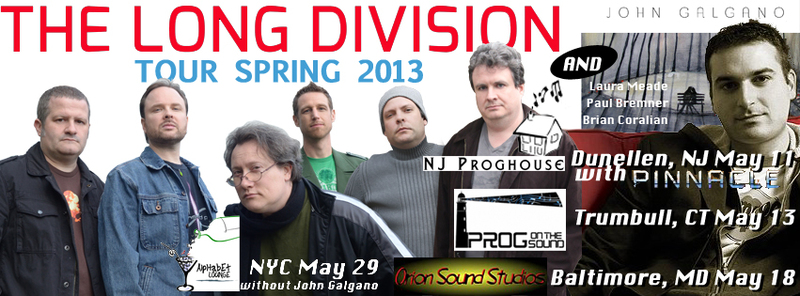
TLDtourGalgano

SETLISTS:

IZZ Quad
Late Night Salvation
This Is How It Happens
Long Distance Runaround/The Fish
Lucky for Me
Celtic Cross
Breathless
Never Remember
House
Rose-Colored Lenses
John Galgano’s Solo Spot
Paul Bremner’s Solo Spot
Three of a Perfect Pair
Light From Your Eyes
23 Minutes

3RDegree
Cautionary Tale
Top Secret
Televised
Apophenia
You’re Fooling Yourselves
Free For All
Memetic Pandemic
The Socio-Economic Petri Dish
Incoherent Ramblings
Leave This Place Forever
Human Interest Story

After a rather barren winter season concert-wise, the evening of Saturday, May 18 saw us back at the Orion Studios for a show that we had been expecting ever since 3RDegree cancelled their participation in the DC-SOAR fundraiser back in November 2012. With guitarist Patrick Kliesch, one of their founding members, currently living on the West Coast, the New Jersey band needed to find a second guitarist to complete their melodic yet powerful sound, Though it took some time before guitarist Bryan Zeigler joined the fold, in the early spring of 2013 3RDegree were finally ready to embark on a four-date tour that saw them return to the Baltimore/DC area after a three-year absence.

Robert James Pashman

Robert James Pashman

Though some bad luck kept dogging the band when co-headliners Oblivion Sun had to pull out of the NJ Proghouse and Orion dates due to Frank Wyatt’s wrist injury, they soldiered on and managed to make things happen – much to the delight of those who had enjoyed their critically acclaimed 2012 album, The Long Division. Thankfully, a scaled-down version of celebrated New York outfit IZZ (rechristened for the occasion “IZZ Quad” to emphasize their quartet formation), led by multi-instrumentalist/songwriter John Galgano, stepped in to fill the void, allowing those who, like myself, had missed the complete lineup’s show in October 2012, to enjoy the music of one of the most talented modern prog bands in the US and beyond.

481597_571424586222338_485901925_n

John Galgano

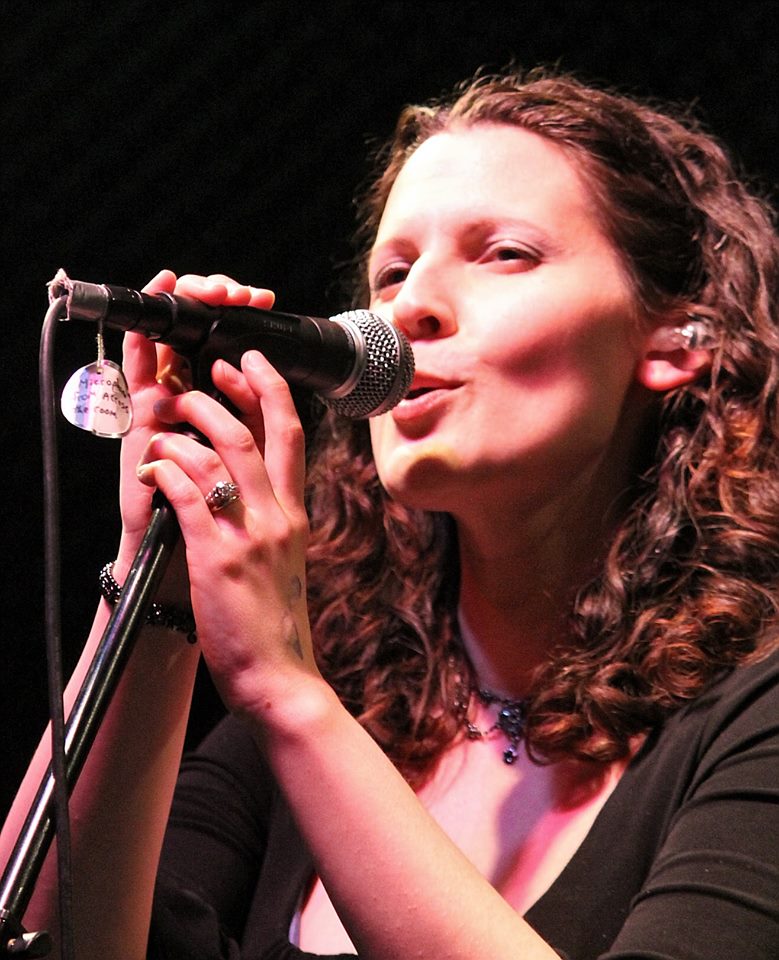
Without co-founder Tom Galgano and percussionist Greg DiMiceli, and former band member Laura Meade (who is also John Galgano’s wife) replacing vocalist Anmarie Byrnes, IZZ Quad concentrated on acoustic or otherwise subdued pieces rather than full-fledged epics, highlighting their impressive songwriting skills though keeping an eye on the instrumental component. Their setlist also included a number of classic prog covers, the first of which in particular elicited the audience’s approval. Yes’ “Long Distance Runaround” came with Chris Squire’s iconic bass solo piece, “The Fish”, tacked at the end just like in the original recorded version – though with Paul Bremner’s guitar replacing some of the multi-tracked bass lines; while King Crimson’s “Three of a Perfect Pair” was softened by Laura Meade’s melodious vocals (reminiscent of Phideaux’ Valerie Gracious), quite different from Adrian Belew’s rather idiosyncratic tones. The highlight of the set, however, came in the shape of  “House”, Marillion’s somewhat obscure foray into trip-hop, with Meade’s hauntingly intimate interpretation bringing to mind Tori Amos or even Joni Mitchell.

Laura Meade

Laura Meade

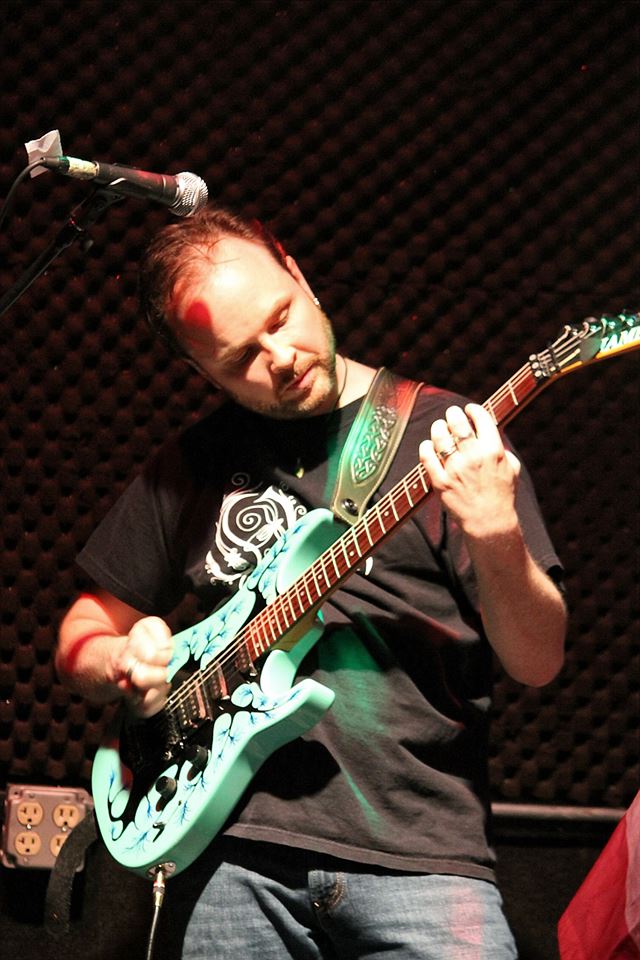
As Galgano jokingly pointed out, referring to the quartet’s initial handle of “IZZ Lite”, there was nothing “lite” about IZZ Quad’s performance, which married melody and accessibility with full-blown prog modes, highlighting each of the members’ considerable talent. Paul “Brems” Bremner’s boisterous “Celtic Cross” and John Galgano’s low-key existentialist musings in “1000”, followed by an exhilarating piano rendition of ELP’s “Eruption”, complemented some of the band’s classic songs, such as opener “Late Night Salvation”. For a near-newcomer such as myself, the IZZ Quad set was an excellent introduction to the band. The quality of the playing was consistently outstanding, with Galgano handling acoustic guitar and keyboards as well as his striking black-and-silver bass, Bremner contributing crystal-clear, elegantly atmospheric guitar parts, and drummer Brian Coralian laying down a subtle, jazz-inflected backbeat. The band also demonstrated their unusually tight songwriting skills, effortlessly shifting from full-blown progressive workouts to mellow pieces in a singer-songwriter vein.

Paul Bremner

Paul Bremner

My first and only experience of 3RDegree on stage had been in the late spring of 2009, when they had performed at a DC-SOAR sponsored gig at Vienna’s Jammin’ Java together with local outfits Brave and Ephemeral Sun. Their third album, Narrow-Caster, had been released the previous year, marking the band’s comeback after a lengthy hiatus. Though I had found their set very enjoyable at the time, the band I saw on stage at the Orion had definitely grown in stature in the past three years. The Long Division had made many reviewers’ personal “best of 2012” lists (including mine), but sometimes there can be a disconnect between what is committed to record and a band’s actual stage-worthiness. 3RDegree, however, are perfectionists, and would have never undertaken a tour without being 100% confident of being able to deliver the goods. With a solid foundation in terms of material, and countless rehearsal sessions to ensure that everything was fine-tuned, the band treated the rather sparse audience to a blistering set that, while drawing mostly upon The Long Division, also found room for their previous albums.

Eric Pseja

Eric Pseja

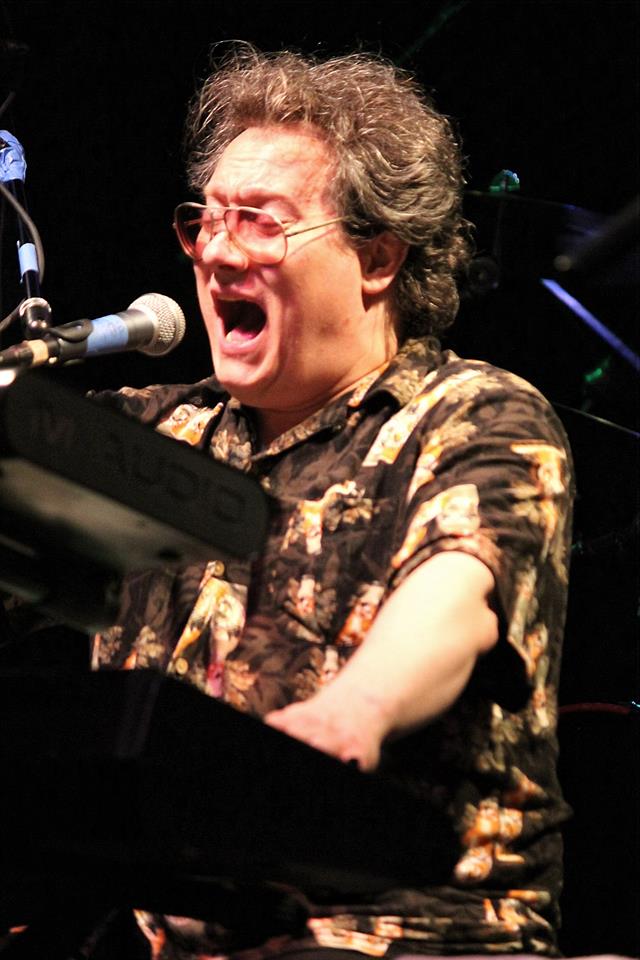
While 3RDegree have always proudly proclaimed their allegiance to the prog rock ethic, their take on the genre is a very individual one, firmly rooted in the traditional song form rather than focused on the production of instrumental fireworks. Indeed, George Dobbs’ powerful, versatile voice is the engine that drives the 3RDegree machine. Sitting behind his keyboard rig (decorated for the occasion with an elaborate sporting the colours of the US flag), the band’s very own “mad scientist” bounced and gestured with almost manic energy, shaking his distinctive mane of hair and tearing through the songs with a style that owed more to Stevie Wonder or Glenn Hughes than Jon Anderson, assisted by the smoothly flowing vocal harmonies contributed by his bandmates.

George Dobbs

George Dobbs

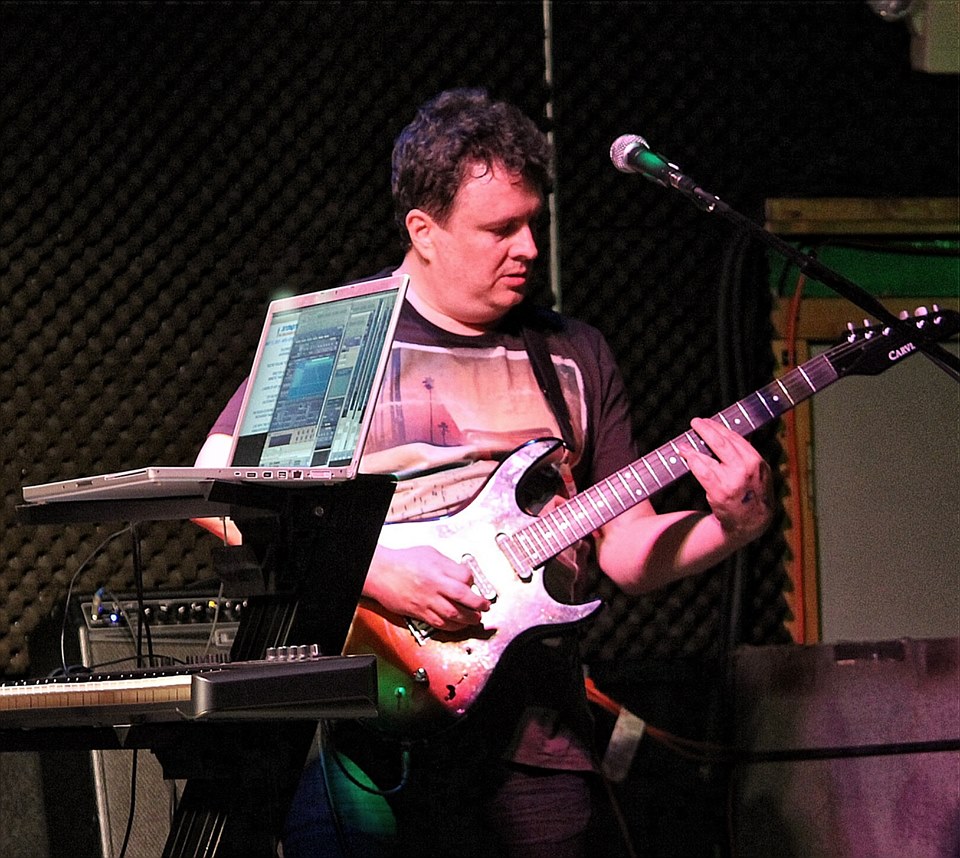
The twin-axe attack of Eric Pseja and Bryan Zeigler added a keen hard rock edge, while Robert James Pashman’s nimble, pulsating bass lines and Aaron Nobel’s dynamic drumming often took a funky direction that evoked shades of Trapeze or King’s X. In a top-notch setlist that included the impossibly catchy yet thought-provoking “You’re Fooling Yourselves” (“#7 in North Korea!”), the barnstorming “Apophenia” and “Top Secret” (both showcases for Dobbs’ impassioned vocals) and the wistful mini-epic “Memetic Pandemic”, the bluesy, Deep Purple-meets-Steely Dan swagger of “The Socio-Economic Petri Dish” summed up 3RDegree’s unique brand of 21st century art rock: music that makes you think, but at the same time makes you want to sing along, liberally seasoned with a healthy dose of humour. In particular, new guy Bryan Zeigler’s infectious enthusiasm – culminating in a hilarious cowbell-wielding turn in “Incoherent Ramblings” – was a welcome addition to the band’s stage presence.

Bryan Zeigler

Bryan Zeigler

As my readers will probably guess, the only downside of the evening was the rather poor turnout: no more than 30 people altogether, and that on a Saturday evening. In a perfect world, both bands would be superstars and sell CDs by the truckload – not to mention perform before a crowd as large as the one drawn by Steven Wilson only one month ago. Unfortunately, many so-called prog fans prefer to pay lip service to the genre on Internet discussion boards rather than go out and attend a show – even when the price is a mere $15. In any case, those who bothered to turn out enjoyed an evening of stellar progressive rock by two bands with outstanding songwriting skills (something that has become increasingly rare) and enough instrumental flair to please the most demanding fans. I, for one, hope to have the opportunity to see both IZZ and 3RDegree again very soon.  Finally, a big thank you to  Helaine Carson Burch for the photos that accompany this article.

Links:
http://www.3rdegreeonline.com

http://www.izznet.com

Read Full Post »

5482_10200370401715147_931439010_n

In a couple of weeks’ time, fans of AltrOck Productions, the cutting-edge Italian label founded by Marcello Marinone and Francesco Zago in 2005, will be offered the unique opportunity to attend a two-day festival featuring a selection of exciting Italian and European bands, many of them have appeared on these pages.

The event, scheduled to take place on the weekend of June 1-2 at La Casa di Alex, a cultural centre on the outskirts of Milan, will see a total of seven bands taking turns on the stage. The label’s subsection Fading Records, dedicated to bands and artists who revisit “traditional” prog modes with a modern attitude, will be represented by Ciccada (Greece), La Coscienza di Zeno and Ske (Italy), who will be joined by highly awaited Norwegian outfit Wobbler; while October Equus (Spain) and Humble Grumble (Belgium) will add some intriguing RIO/Avant spice to the proceedings. Bassist Pierre “W-Cheese” Wawrzyniak (of fellow AltrOckers Camembert) will join Ske on stage for their first-ever live performance: while La Coscienza di Zeno will premiere their forthcoming second album, titled Sensitività.

The festival will also mark the stage debut of Not A Good Sign, the newest offering from AltrOck and  the label’s own “supergroup” of sorts, featuring Yugen’s Paolo “Ske” Botta (who is also the label’s main graphic artist) and Francesco Zago, and La Coscienza di Zeno’s Gabriele Guidi Colombi and Alessio Calandriello, as well as drummer Martino Malacrida. The band, who was started in 2011 by Botta and Zago (later joined by the other members),  aims to revisit the sounds of classic prog – liberally seasoned with hard rock and psychedelic suggestions – with a thoroughly modern attitude, focusing on the creation of melancholy, haunting atmospheres. Their self-titled recording debut, officially released on June 10, will be available for purchase at the festival. Yugen’s Maurizio Fasoli (piano), cellist Bianca Fervidi and vocalist Sharon Fortnam (Cardiacs/North Sea Radio Orchestra) also guest on the album. You can listen to a preview of the album here.

Links:
http://altrockfading.blogspot.it/

http://www.alexetxea.it/

www.altrock.it

https://www.facebook.com/notagoodsign

Read Full Post »

signage2

 In spite of their young age, New Jersey band The Tea Club have already been around in various incarnations for almost a decade, and have already attracted the attention of the progressive rock fandom both in the US and in Europe. Their brilliant set at the 2011 edition of ProgDay confirmed them as one of the most exciting acts on the modern prog scene, and the recent release of their third album, Quickly, Quickly, Quickly, is quite likely to consolidate their position. To celebrate this new milestone in their promising musical career, brothers/band founders Dan and Pat McGowan and drummer Joe Rizzolo have kindly agreed to answer some of my questions about the past, the present and the future of the band.

As your site includes some very thorough biographical info about The Tea Club, I will skip the usual introductory question about the origins of the band, and go instead for something less usual (and perhaps loaded). Why did you decide to play progressive rock, instead of opting for a trendier – and possibly more financially profitable – genre?

Dan: The music that we wrote when we first started the band was a little more accessible, but that might be because the songs we wrote when we first started out were simpler. We took a whole bunch of different influences. Some of it was King Crimson and Yes. But our whole thing was that we weren’t hearing the kind of music that we wanted to hear coming from new bands, so we tried to make it ourselves. We saw a lot of other people in bands that were trying to intentionally do something in a style that was trendy or popular, and instead of achieving any popularity, they would just wind up looking like people who were pretending to be a popular band, and it was just uncomfortable for everyone involved. There are a billion bands that already have that exact idea. Bands that are in a better position than you are. Bands that have more money, who are better- looking, who are already connected in the business. So in our experience, there seemed to be no point in dumbing down our music to be more accessible and make something that isn’t all that it could be. We decided that it’s better to just make music for ourselves, and chances are, there are people who are just as crazy as we are who are going to get it. And they might even give you some of their money to support you because you have the balls to try to make something unique.

Joe: I enjoy composing and performing all styles of music and progressive rock lends itself to including many of these styles in a rock setting. Harking to what Dan said, composing music, in my humble opinion, is done best by throwing out all genres and gates that are put around it. To truly create something unique and interesting, you must draw from all experiences musical and otherwise and include them in your music. Whether you end up being described as a progressive group or a techno-pop-rock-indie band is up to those who listen.

Pat: I think a lot of bands are afraid of the word “prog” and all it entails. I am not. I fully embrace it because in my mind all it means is that we are “progressing”. Everything else associated with “prog” is for people to argue about in forums. I’m only interested in getting better as a musician/artist and having the freedom to do so.


Let’s talk a bit about names. Why did you choose that particular name for your band?


Dan: Pat came up with The Tea Club and it was the one name that everyone in the band liked. We are notoriously terrible at naming things.


Pat: I didn’t want a band name that gave you a hint as to what our music was gonna sound like. Some bands names kind of give it away but I wanted a more ambiguous name so we could do whatever the hell we wanted to.


Judging from the eclecticism of your sound, you listen to a lot of different music. What are your main influences, inside and outside the prog spectrum?


Dan: When it comes to prog rock, I love pretty much everything that King Crimson has ever done. I love 70’s Yes and Genesis, Gentle Giant, PFM, Magma, Van Der Graaf Generator… I think even a lot of the bands that I like that aren’t “prog” are still kind of “proggy”. Bands like Trail of Dead, Sunny Day Real Estate, Flaming Lips, Doves, Radiohead, Björk… bands that are in that twilight area where it’s not quite prog rock epic but it’s still adventurous and extremely emotionally moving. What else… Well, I love Nick Drake, The Beatles, Tom Waits, Jeff Buckley… I like a lot of old 90’s grunge like Soundgarden and Nirvana and Alice in Chains. I’m a pretty big Michael Jackson fan too. I’m also really into old video game music. Koji Kondo, Keiichi Suzuki, Dave Wise, Grant Kirkhope, these are all guys that are musical geniuses in my eyes. And I love Danny Elfman’s film scores from the 80’s and 90’s too.


Pat: I’m pretty much gonna second everyone Dan mentioned. I’ve been listening to a lot of Todd Rundgren lately as well as The Tubes and The Cardiacs. I love a lot of classical music, jazz, Motown and R&B. Some of my favorites are Marvin Gaye, The Temptations, Smokey Robinson, Stevie Wonder, The Heartbeats, The Orioles, and James Brown. Some of my favorite composers at the moment are Ravel, Stravinsky, Debussy, Handel, Shostakovich, Bartok, Schubert, Shoenberg, Berlioz, and Wagner.


Joe: Everything and everyone.


Though I am aware that this is a bit of a hot-button issue, this is a question that I find it hard to resist. I saw you perform as a six-piece, and I thought that the additional band members added a lot to your sound. What is the deal with all those lineup changes? Do they affect your songwriting process?


Dan: Well, it’s been a different situation for every person who’s been in the band and then left. Being in a band is a relationship, and any kind of relationship with other human beings is going to be an extremely complicated thing. Everyone’s different. You can’t predict what’s going to happen when you have a group of people playing music together. It’s all part of the craziness that comes with being an artist.As far as the songwriting goes, everyone who’s ever been in the band has contributed to the music and brought their own unique personality and soul into it. But that’s part of the beauty of being in a band; how people interact with each other and what they bring out in each other. It’s unpredictable. All I know is that I’m extremely excited about the lineup that we have right now. I’m really looking forward to writing music with these guys.


Pat: A fluctuating line-up has its blessings and its curses. The first 5 King Crimson records are great examples of them all. You can hear the triumphs and failures in those albums of what comes with re-inventing a band from record to record. You also get a very powerful glimpse of what can happen with a (semi) stable line-up in the last three records of that period. The Beatles would be the go-to example for that. So we’ve had to balance those blessings and curses over the years.  The goal is to be always balancing, but never achieving balance (my fortune cookie philosophy moment of the interview…). The vision that Dan and I share for The Tea Club is a musical world where things are constantly changing, and moving, and (dare I say) progressing. For some musicians that’s a terrible place to be, for others (like Joe) it’s the only place they want to be. So, sometimes things happen and you don’t all see eye to eye and a decision has to be made. All the musicians who have passed through this band are great players and gave their all to help us make some great music. I respect them all and the decisions we made.


Are you planning to continue as a trio, or have you already contacted some prospective new members?


Dan: We have a new bassist named Jamie Wolff and a new keyboardist named Renee Pestritto, and it’s going really well. Right now we’re just focusing on playing the stuff from Quickly Quickly Quickly and Rabbit, but we’ve already started to throw around some new stuff, and I’m extremely encouraged by the sounds that we’re making.


Pat: It’s a very exciting time right now. There are all kinds of ideas and music flying around. Jamie and Renee are wonderful players with big ears and at this moment the sky’s the limit. I’m looking forward to seeing how touring will grow the band and develop the ideas into new music.


Are any of you professional musicians, or otherwise involved with the music industry for your day job? What is your view of the current state of affairs that, to all intents and purposes, does not allow most non-mainstream artists to make a living out of their music?


Dan: Me and Pat don’t have any kind of musical training, so basically everything that we’ve done musically has gone into The Tea Club. So far it’s been easier for us to work a simple job during the day, just make the money to pay for rent so we have a place to make music and art. If that’s what I have to do to make sure that the band has a place to practice, then so be it. As long as it isn’t interfering with my music, or something that makes me start treating the band like it’s something that needs to take a back seat.


Pat: Whoa, those are loaded questions! Again, I believe it’s a matter of balancing the good and the bad. In some ways I’m immensely grateful we’ve had to work dead -end day jobs. There are things that you learn from being ‘in the kitchen’ that you would absolutely never understand without spending some time there. And for a musician/artist those lessons can enrich your art in a way that cannot be imitated. I think popular or ‘mainstream’ music in general could benefit from spending some time pumping gas.Of course the downside is the toll it takes on your personal life. But it forces you to be real and if this is your path it separates the hobbyists from the lifers. For some it’s a price you must be willing to pay. No one is making us do this. We are CHOOSING to endure all the insanity. But very good things are starting to happen for us and there does come a time to get out of ‘the kitchen’ because staying there too long can become a trap. Once you get past the fear of not ‘making it’ you come to terms with the real reasons why you’re doing what you’re doing. And, in my opinion that’s when you become dangerous.


The current state of the non-mainstream music scene encourages artists to stick together in order to promote and perform their music. Do you have any ongoing collaboration with other bands or artists in your area, or elsewhere in the US?


Dan: Sure, there’s a bunch! There’s some amazing music happening around us. And for me, it’s easier to believe in the music when you know the people and you see the hard work they’re putting into it. Rexedog, Thank You Scientist, Goodnight Lights, Suit of Lights, Craig van Hise, Banned Books, Advent, Changing Modes, and Rasputin’s Secret Police are some of my favorite acts that we’ve played with. And of course, those Echolyn gents.


Performing live is an essential part of your activity, as anyone who has seen you on stage will not fail to realize. Is it hard for you to find gigs (as it usually is for prog musicians), or does the “modern” component of your music give you access to a wider range of opportunities?


Dan: We’ve been able to play some really great shows. We’ve played with some interesting bands in these cool little venues in Philly. I suspect that some people might find it kind of hilariously awesome when they see us play, and they might be thinking, whoa these guys are in their 20’s and they have the balls to sabotage their careers and sound like Yes! There are apparently some clubs in Philly who literally refuse to book “prog rock” bands though, which is pathetic. There is still a hilarious stigma about “prog rock”. I still read it in certain music magazines and reviews. You can’t do this or that because that’s “proggy” and you’re not allowed to sound like prog rock or else no one will like you. It’s kind of like, well you want to sit at the cool kids table right? But I think that limiting what you are and are not allowed to like or write or play will ALWAYS suck. All I know is that when prog rock is great and it hits, it hits hard and it leaves a lasting impression. Like Close to the Edge or “Gates of Delirium” or “Supper’s Ready”. Those moments where imagination and musicianship come together to create something that is almost impossible not to be moved by. Maybe college kids don’t dance to it, but I don’t think any form of rock music has EVER moved me the way that prog rock has at its best.


Pat: I’m consistently surprised by the shows we get and the shows we don’t get that we really thought we would get. We manage to get away with a lot and play places I never thought we would, but we do tend to stand out musically just about everywhere we play. Sometimes it can be quite hilarious.


What about your most important live experiences so far – your ProgDay appearance and the mini-tour with Beardfish?


Pat: There are countless things to learn at every show and if you want to be a great live band you must look for them. Years ago we did a live radio show and minutes before we began the vocal monitoring system died. We were in a small room with all our gear playing at full volume singing into mics that were plugged directly into the radio station’s soundboard and going live over the air without being able to hear our voices AT ALL. We had to play for 90 minutes like that. We overcame it and played a pretty damn good show but you can’t prepare for things like that. You have to get through it and each show builds your confidence.ProgDay was a challenge because it’s a very smart crowd and they know your music and are expecting you to be great. Many, many great bands have played that festival and much of the audience comes back year after year. They’ve seen good bands and they’ve seen truly great bands and the burden was on us to rise to the occasion.The Beardfish shows taught us many things. Watching how they play to their audience was incredible. It forever changed my understanding of the relationship between audience and performer. They were brilliant and I learned a lot.Our most recent NJ Proghouse show was something of a milestone for me. We did not play it safe in preparation for that show. It was our first performance since releasing Quickly Quickly Quickly and we went for broke. There were 4 part vocal harmonies, multiple keyboard players, improvisation without any visual cues: stuff that we avoided in the past. I learned a lot from that show as well, but most importantly I learned that we must be progressing as a live band just as much as we are as a studio band. A musician at the end of the day is a performer and that is an art all to itself.


Let us talk a bit about your new album – starting with its title. As I wrote in my review, I applaud your decision of not releasing 80 minutes of music, though other artists would have done so without too many qualms. How did you end up writing so much material?


Dan: Well, like I mentioned earlier, we are horrible at naming things. It took forever to name Quickly Quickly Quickly. No exaggeration, there were probably about 100 titles we were throwing around that would have been really good titles, but we just couldn’t decide on one. With naming an album, just like naming a band, there’s a lot of pressure. It has to be memorable, it has to sum up the album or at least fit with the album in some way, and everyone has to agree on it. And it had to match the album cover that Kendra DeSimone made too, and that album cover is just beautiful. For me, there was so much riding on it that eventually I started coming up with really silly names because I wasn’t having any fun. “Canine Suspect” was one I came up with. “Fleas on a Crab” was another one. When I get to that point I’m pretty much out of the picture, I just become useless.


Pat: Dan and I always have to be working on “the next thing” whatever that may be. More often than not it’s new music and the compulsion can borderline on mania. For me personally I have difficulty with down time. If a few days go by and I don’t have anything creative I’m working on I start to get very anxious. Being productive is essential and after we finished Rabbit it was essential to our survival. There were a lot of difficulties going on at that time (both band related and not) and we had no outlet that felt productive other than to write. So we wrote a lot of music. The band could have very easily ceased to be during that time but the new music would not be denied.That’s a reason why I love the album title so much. It sums up what we were going through. Also, just to go on the record, there was a night or two there where I actually considered “Fleas on a Crab” as an album title.


Unlike many other prog bands, you put a lot of attention into the lyrics. Where do you get your inspiration?


Dan: From my experience, inspiration is an extremely mysterious and spiritual thing. It can come from anywhere and everywhere and I can’t force it to happen. When I’m writing lyrics, I tend to feel like it’s not good unless it feels like it has come through me and not from me. Like I’m just guiding words together that are supposed to come together. I think more than anything, I’m good at recognizing what’s inspired and what’s not. Sometimes there will be weeks where I create absolutely nothing of worth, because I have no inspiration. And then suddenly it’s there. And it can come from something as serious as a panic attack or the death of a loved one, to something as silly as an old cartoon or an inside joke. Or just from nowhere at all. I don’t understand it. I believe that it comes from God. It’s one of the most important ways that I can connect with God. But I don’t understand it.


Pat: I read a lot and I read on a variety of subjects. I love to pick weird topics that interest me and drink them in with the goal of mixing them all together and seeing what comes out of it. It’s that fascinating struggle between discerning randomness and specific intent. It’s really just a lot of fun to give your conscious and subconscious a voice and try to navigate your way through the insanity. For me, going to that place is a bizarre way of worshiping God. But it’s very important for the words to be meaningful. I love poetry that is nonsensical but I also love poetry that seems nonsensical or whimsical but is really loaded with deep meaning. We’ve tried to provide many a long and mystical night for those interested in such things.


The visual aspect of your albums also deserves a mention. Do you see the artwork as a necessary complement to your music?


Dan: Definitely. It’s totally essential to creating our own little Tea Club world. I plan on integrating it more and more for years to come. I’ve been working a lot on music videos for our songs, messing around with things like stop motion animation and puppets. I don’t really know what I’m doing, I don’t have any experience with animation or film, but it’s a lot of fun and it’s turning out surprisingly well. But it’s SO much work if you really want it to turn out even remotely watchable, and I have the utmost respect for people who can really do it well.


Pat: My favorite records are ones where you are pulled into the weird little microcosm the band creates. I love the cover to the King Crimson album Lizard. I would stare at that cover all night as I listened to the record and try to find the hidden meanings and references to the lyrics. I was pulled into that record. The same thing could be said for Kid A by Radiohead. The art for that record is nightmarish and perfectly fits the atmospheres created by the music. I remember the first time we discovered the hidden booklet behind the disc tray, it was like Thom Yorke had accidentally included his diary in our CD. My connection with the music only deepens when I find those little breadcrumb trails bands leave behind. I want to offer that experience to our audience and it’s been especially enjoyable for us since we do almost all the art ourselves. 


Have you ever been in touch with a label, or are you happy with releasing your music independently?


Dan: I’d like to work with a label, but it would have to be a label that can legitimately do something for us that we can’t do ourselves. And if that doesn’t happen, we’re just going to have to keep going, even if people think we’re completely delusional in the idea of trying to make a career out of a supposedly unmarketable product. We have faith that people will get what we’re doing.


Pat: We’ve had contact with a number of labels but the right offer hasn’t come our way yet. I’m certainly open to the idea of working with a good label that understands what we’re doing. But we’ll keep doing this on our own whether anyone helps us or not.


When can we expect to hear the second half of the recording sessions that produced Quickly, Quickly, Quickly?


Dan: Soon, but probably not as soon as we were originally thinking!


Pat: A lot has happened since QQQ was released. Plans have changed many times but the music endures. We hope to have a new record out sometime next year. 


What are your plans for the next few months? Are there any live appearances in the pipeline?


Dan: We’ll be playing the Terra Incognita Festival in Quebec City this May, which is extremely exciting! This will be the first time that we’ve ever played a show outside of the United States, so we’re really looking forward to that.


Pat: We’re booking a lot of shows right now and will be doing some touring in the summer. We also hope to be back in the studio by the end of the year. There’s a lot going on right now and it’s a very busy time for us but that’s just how we like it. QQQ has done us a lot of good and there’s plenty more on the horizon for us and for the fans.


Thank you so very much for your answers, and all the best for your future ventures!


Dan: Thank you Raff!


Pat: Great questions, this was a lot of fun!

Links:

http://www.theteaclub.net/

Read Full Post »
cover_5010171432013_r

TRACKLISTING:
1. It Strikes You (4:27)
2. Good Things (6:27)
3. All Day and All Night (4:45)
4. Rise (6:00)
5. Landmines (4:46)
6. Cool Water (5:25)
7. Spin the Girl (2:42)
8. Fate (4:16)
9. I Am Lion (6:35)
10. Wolf (3:09)
11. Darkness Knew (4:37)
12. The Earth (5:27)

LINEUP:
Kyree Vibrant – vocals
Constantin Necrasov – guitars, backing vocals
Dmitry Lesov – bass, Chapman stick, backing vocals
Igor Kurtzman – keyboards, backing vocals
Marcello Ciurleo – drums, backing vocals

Back in the summer of 2009, the release of Toronto-based outfit Half Past Four’s recording debut –  the quirkily-titled Rabbit in the Vestibule – caused quite of bit of stir in the progressive rock community. However, in spite of the album’s largely positive reception and a barnstorming appearance at the 2010 edition of ProgDay, the band seemingly dropped off the radar for over two years. Formed in 2005 by vocalist/lyricist Kyree Vibrant and three musicians of Eastern European descent – bassist Dmitry “Les” Lesov, keyboardist Igor “Iggy” Kurtzman and guitarist Constantin Necrasov – the band were very active on the live front both in Canada and in the US until the search for a new drummer (a problem jokingly referred to as “Spinal Tap-like” on the band’s website) forced them to take a break. In early 2012, drummer Marcello Ciurleo finally joined, allowing the band to concentrate on the recording of Good Things.

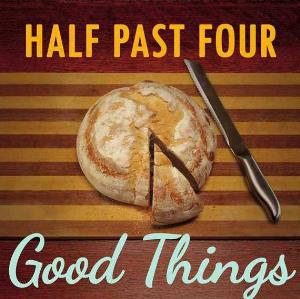
Those who missed Half Past Four the first time around might be forgiven for thinking they are just another newcomer to that “female-fronted prog” bandwagon that has yielded a multitude of technically impeccable, though often soulless Annie Haslam clones. However, even a quick spin of Good Things will put any such fears to rest, because the Canadian quintet’s sophomore effort is a concentrate of humour, original ideas and outstanding musicianship that will reconcile a lot of jaded listeners (myself included) with a genre that, in recent years, seems to have left quality control by the wayside. The album’s unassuming title and delightful, retro-style artwork also stand out on a scene where hyperbole and pretentiousness abound, emphasizing the light-hearted attitude that has always been one of Half Past Four’s defining features.

Half Past Four can be counted among the trailblazers of what I call the “new frontier” of progressive rock – a 21st-century take on the “art rock” form associated with such diverse acts as Roxy Music, David Bowie, 10cc, Steely Dan and Supertramp. While many new bands follow in the footsteps of the classic icons of the genre, often letting their ambition run wild to the detriment of quality, bands such as Half Past Four, MoeTar  and 3RDegree (as well as a number of others) imbue that old pop music staple – the “short” song form – with progressive sensibilities, skillfully demonstrating that complexity does not necessarily mean excess.

Indeed, Good Things is packed with the kind of twists and turns that every self-respecting progressive rock album should offer, From a compositional point of view, the band has grown exponentially, and using the term “quantum leap” would not be an overstatement. In particular, Kyree Vibrant’s stunning vocal performance throughout the album elicits comparisons with MoeTar’s Moorea Dickason and District 97’s Leslie Hunt – both experienced, well-rounded artists like Kyree herself, as well as gifted vocalists. Her strong, confident voice dominates the proceedings,  from the soothing, wistful tones of “Fate” to the breathtaking acrobatics of the Russian-inspired “Spin the Girl” and the anthemic “Rise”. Each of the musicians strives to create s an extremely tight instrumental texture. Keyboardist Iggy Kurtzman’s consistently outstanding work  anchors the album and complements the singing in dramatic flurries or in gentle brush strokes. Newcomer Marcello Ciurleo and the ever-reliable Dmitry “Les” Lesov lay down complex rhythm patterns, leading the path to exhilarating, dramatic crescendos of intensity and assisting Constantin Necrasov’s head-on riffing in the heavier offerings, while capable of more subdued touches in the slower ones.

Like most classic albums, Good Things begins and ends on a high note. The jaunty talk-box intro of opener “It Strikes” immediately sets the mood, showcasing the album’s signature juxtaposition of breezy, catchy melodies and heavier, riff-laden sections, bound together by Iggy’s fluid piano and Les and Ciurleo’s pyrotechnic rhythm section, with Kyree’s commanding voice firmly in the lead. On the other hand, closing track “The Earth” reprises the exhilarating intensity of “Biel” on the band’s debut, climaxing with Kyree’s voice soaring to an impossibly high pitch. In such as dense album, there is something for everyone – from the jazzy, jagged “Landmines” (which made me think of both MoeTar and 3RDegree) to the rousing Russian folk echoes of “Spin the Girl”, from the cheery, almost comedic “Wolf” to the subdued atmosphere of “All Day and All Night” and the haunting mix of low-key melody and tense, brooding riffs of “I Am Lion” and the title-track – the latter reminiscent of District 97’s approach, though somewhat more restrained.

With a sensible running time of about 58 minutes, and none of the 12 songs over 6 minutes, Good Things achieves an admirable balance, coming across as a mature, highly entertaining album that is already poised to become one of the year’s undisputed highlights. Obviously, those who expect progressive rock albums to contain at least one 10-minute-plus and/or endless instrumental noodlings will not fail to be disappointed. However, if the genre has any hope of becoming relevant again, instead of slowly turning into a parody of itself, it is through albums like this one and bands like Half Past Four.

Links:
http://www.halfpastfour.com

Normal
0

false
false
false

EN-US
X-NONE
X-NONE

/* Style Definitions */
table.MsoNormalTable
{mso-style-name:”Table Normal”;
mso-tstyle-rowband-size:0;
mso-tstyle-colband-size:0;
mso-style-noshow:yes;
mso-style-priority:99;
mso-style-qformat:yes;
mso-style-parent:””;
mso-padding-alt:0in 5.4pt 0in 5.4pt;
mso-para-margin-top:0in;
mso-para-margin-right:0in;
mso-para-margin-bottom:10.0pt;
mso-para-margin-left:0in;
line-height:115%;
mso-pagination:widow-orphan;
font-size:11.0pt;
font-family:”Calibri”,”sans-serif”;
mso-ascii-font-family:Calibri;
mso-ascii-theme-font:minor-latin;
mso-fareast-font-family:”Times New Roman”;
mso-fareast-theme-font:minor-fareast;
mso-hansi-font-family:Calibri;
mso-hansi-theme-font:minor-latin;
mso-bidi-font-family:”Times New Roman”;
mso-bidi-theme-font:minor-bidi;}

http://www.progshine.net/2013/04/interview-half-past-four.html


Read Full Post »

379797_10201125238841250_1916443635_n

Setlist:
Luminol
Drive Home
The Pin Drop
Postcard
The Holy Drinker
Deform to Form a Star
The Watchmaker
Index
Insurgentes
Harmony Korine
No Part of Me
Raider II
The Raven That Refused to Sing

Encore:
Medley: Remainder the Black Dog/No Twilight Within the Courts of the Sun

As my readers will not have failed to notice, my love affair with music – especially progressive rock – has cooled down considerably over the past few months. A combination of personal issues and the inevitable burnout caused by the punishing pace maintained for over three years forced me to take a break after I realized that writing reviews had become a chore. Though I had previously experienced periods of writer’s block, this time around it had impaired my enjoyment of music to the point that I was dreading, rather than anticipating, the evening of April 20, when the celebrated Steven Wilson and his “all-star” band were slated to grace the stage of Washington DC’s historic Howard Theatre. I will therefore apologize if this piece is more of a collection of personal impressions than my usual detailed account.

Most of my readers are well aware that – while recognizing the man’s talent and unstinting work ethic – I have never subscribed to the Steven Wilson cult, and most of his output (whether solo or with his many projects, including Porcupine Tree) has always failed to fully resonate with me. Though I had meant to get Wilson’s latest opus, the highly acclaimed The Raven That Refused to Sing (And Other Stories) to familiarize myself with the material before the show, my disenchantment with music (coupled with other, unrelated issues) prevented me from doing so, and I went in expecting to be somewhat underwhelmed. However, I am glad to say that the concert vastly exceeded my expectations, and I walked out of the theatre with a renewed appreciation for music of the progressive persuasion, even if not yet fully converted to the “Wilson cult”.

Mainly known as a temple of jazz and soul music, the renovated Howard Theatre (opened in 1910, but gone into a decline that forced it to close for decades after the 1968 riots) has already hosted a number of rock concerts since its 2012 rebirth. While its stylish, dimly lit interior does not allow for a lot of socialization, and its bar and restaurant menu are not exactly good value for money, the theatre’s superb acoustics, state-of-the-art lighting and spacious stage are designed to enhance any music performed there. What better setting, then, for über-perfectionist Steven Wilson, the high priest of pristine sound quality, the man behind a slew of 5.1 reissues of progressive rock classics?

430293_559540897410707_481630043_n

I am generally rather suspicious of supergroups, which can often be a triumph of style over substance, and the all-star cast assembled by Wilson for his latest album and tour brought back memories of Eddie Jobson’s Ultimate Zero Project’ rather sterile headlining performance at NEARfest 2010. In spite of being prepared for the worst – that is, an ultimately soulless display of technical fireworks – the opening strains of “Luminol” put my fears to rest, immediately pushing  Nick Beggs’ impossibly nimble bass lines and Marco Minnemann’s thunderous yet intricate drumming into the limelight, though at the same time emphasizing their contribution to the  composition as a whole Indeed, the extremely tight outfit allowed very little room for solo spots, and each of the musicians put his own considerable expertise at the service of the songs.

400746_559541244077339_1356460751_n

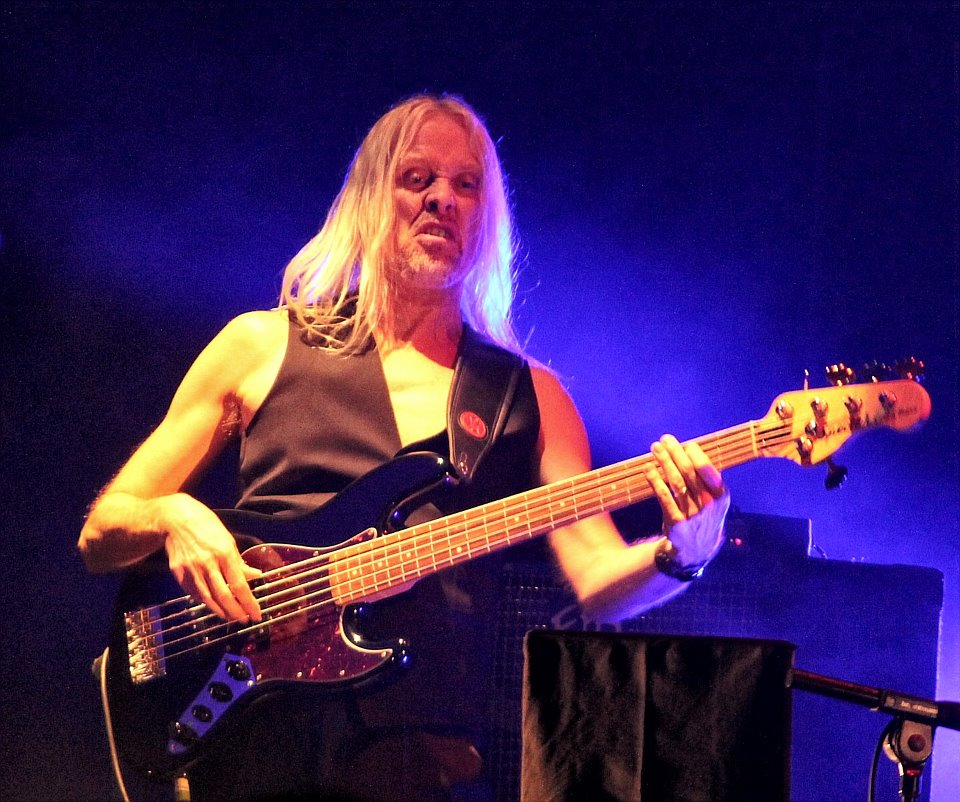
In the centre of the stage, slight and dressed in black, the obligatorily barefoot Wilson, flanked by Beggs and guitarist Guthrie Govan,  switched between guitar, keyboards and 5-string bass, with Minnemann, keyboardist Adam Holzman and reedist Theo Travis positioned at the back. Though I fully expected Govan to launch into lengthy shred-fests, his understated role was undoubtedly one of the show’s most positive surprises. In spite of his standard guitar-hero image (complete with flowing locks and the occasional shape-throwing), his performance was remarkably restrained, his trademark scorching fretboard work delivered on rare occasions, such as at the end of “Drive Home”. The impassive Theo Travis’ blaring saxophone injected a jazzy, almost frantic  note, while his flute’s meditative tones complemented some of the more subdued passages. Adam Holtzman’s magnificent keyboard textures laid out a rich foundation, in turn atmospheric and dramatic, according to the needs of each composition.

61934_559541384077325_922302977_n

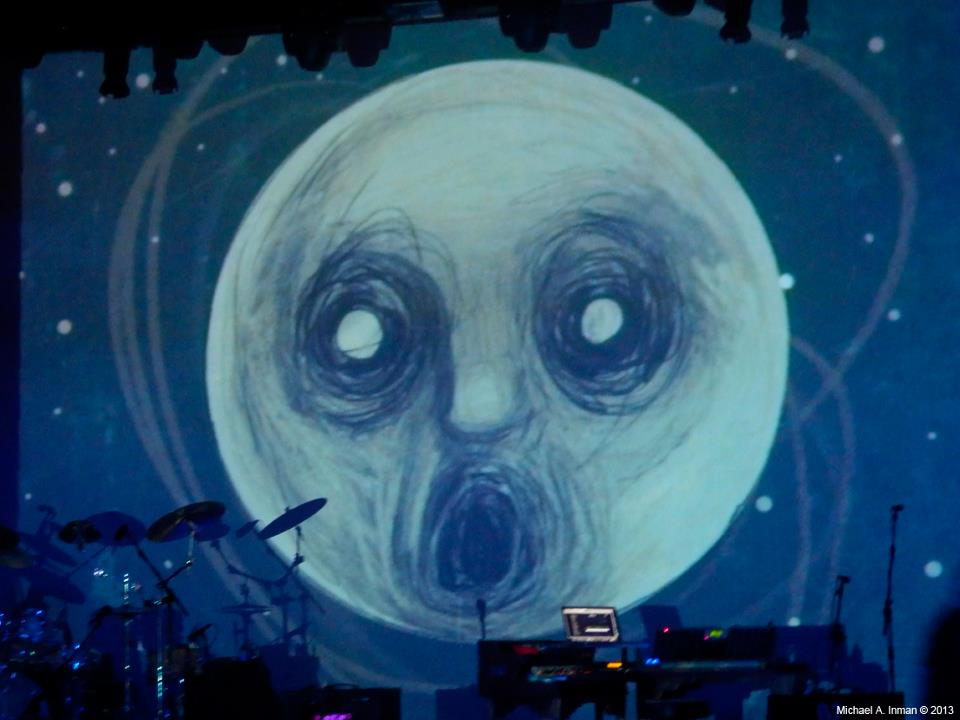
Over nearly 2 and a half hours,  Wilson’s latest album was performed in its entirety, the seven songs interspersed with tracks from the artist’s two previous solo efforts, Insurgentes (2008) and Grace for Drowning (2011) – with no references whatsoever to Porcupine Tree, who seem to have been put on ice for the time being. While this might be bad news for the band’s many fans, I feel that The Raven That Refused to Sing features much stronger material than most of PT’s albums from In Absentia onwards. Indeed, in Wilson’s solo output any overt metal or alternative rock references are eschewed or toned down, though a keen edge is always lurking around the corner. Even in the longer compositions, any excesses are reined in by keeping the emphasis firmly placed on the songwriting. Drawing upon the wide range of diverse experiences of his band members – jazz, avant-garde, metal, pop, classic rock and, of course, “traditional” prog – Wilson as a solo artist has built a sound in which his very vocals become an additional instrument, with lyrics kept to a minimum taking a back seat to the music. The unrelentingly gloomy subject matter (cleverly targeted by Wilson’s surprisingly laid-back stage banter) is reinforced by a skillful use of visuals that develops and refines Pink Floyd’s ground-breaking paradigm, conjuring disquieting, often nightmarish images out of an H.P. Lovecraft story (in particular the ones accompanying “Harmony Korine”), and proves a necessary complement to the music.

11920_559541507410646_434742071_n

While Wilson’s music is not exactly innovative (and very little of what is released nowadays can be called so), he succeeds in the feat of updating the classic prog sound, using King Crimson, Yes and Genesis as a springboard rather than as a template. Veering between the brooding, haunting atmosphere of the likes of “Drive Home” or “Deform to Form a Star” and jagged, frantic-paced moments in which all the instruments strive together to build up an increasing sense of tension, his compositions sound as carefully structured as any of the Seventies classics, though not as blatantly contrived as a lot of modern prog. From a personal point of view, I found those driving, dynamic pieces far more involving and emotionally charged than the quieter, moodier ones, which tended to sound somewhat alike after a while. In a show characterized by a consistently high level of quality, two songs stood out: the creepy, chilling “Raider II” (from Grace for Drowning) and the mesmerizing “The Watchmaker”, during which the band played behind a semi-sheer curtain used as a screen for the stunning visuals.

313748_559541737410623_1286742117_n

Considering Wilson’s tireless activity as a producer and sound engineer, it was a fortunate coincidence that April 20 also celebrates a cherished institution that is stubbornly resisting the encroachment of online sales – record stores. Not surprisingly, the venue was packed, with many far younger attendees than the average prog gig or festival – a testimony to Wilson’s appeal to a large cross-section of the concert-going, music-buying public, even to those who are not necessarily into “progressive rock”. Watching the crowd, and reflecting on the poor attendance of most prog shows, I thought that Steven Wilson must be doing something right in order to attract such large numbers, even if his band (no matter how talented) does not include any of the Seventies icons, and his performances showcase very recent original material rather than the ever-popular tributes and covers. Moreover (and rather ironically), now that he has stopped rejecting the “prog” tag  and fully embraced the genre, his music has gained in appeal. Not being a PR expert, I have no ready explanation for this phenomenon, but I am sure there must be a lesson somewhere for the multitude of prog bands that struggle to draw a crowd larger than 30 people.

391146_559541664077297_516553176_n

Even if I cannot see myself resuming the same pace of the past couple of years as regards writing reviews – at least not in the foreseeable future – I am grateful to Steven Wilson and his outstanding crew for showing me that music can still have an important role in my life as a source of enjoyment. By way of a conclusion, I would like to thank friends Michael Inman and Helaine Carson Burch for putting some of their outstanding photographs at my disposal for this article.


Read Full Post »

150008_587192467976023_123377879_n

TRACKLISTING:
1. Pea (3:11)
2. Asshole Vote (6:16)
3. Elements (4:17)
4. Tuba Melt (2:04)
5. Small Rome (2:35)
6. Every Dead Indian (8:37)
7. Empty Traps and Nightfall (2:49)
8. Spoken (2:58)
9. The Utopian and the Teaspoon (5:04)
10. Winds Over Iceland (1:21)
11. Knock Knock Hornets Nest (6:29)
12. Notebook Memory (2:04)
13. Last Entry (4:56)

LINEUP:
David Lundberg & Mattias Olsson – keyboards, guitars, drums, percussion, drum machines, electronics, sound effects

With:
Cecilia Linné – cello (1, 2, 5, 6, 13)
Michele Benincaso – bass (2, 5, 6, 7, 9)
Ulf Åkerstedt – contrabass trumpet (2), bass trumpet (2, 4, 9), tuba (2, 4)
Einar Urgur Baldursson – electric guitars, e-bow, electric sitar (9), baritone guitar (10), electric 12-string guitar (11), mandolin (13)
Yann LeNestour – bass clarinet (6, 9, 12)
Ulph Andersson – additional editing (2), reading (4)
Matti Bye – Hammond L-100 (6)
Noah Gest – lap steel (11)
Shep Gest – voice (8)
Elvira de Troia – voice (2)
Akaba & Tiger Olsson– vocals (13)

Necromonkey was born from the meeting of two artists whom a thousand-odd US progressive rock fans had the pleasure of seeing on stage in the summer of 2012. Drummer Mattias Olsson is a household name in prog circles, being a founding member of legendary Swedish band Änglagård (which he left in the autumn of 2012), while keyboardist David Lundberg is one-fourth of NEARfest Apocalypse revelation Gösta Berlings Saga. Olsson (a classically-trained percussionist, composer and producer) met in 2008 during the recording sessions for Gösta Berlings Saga’s second album, Detta Här Hänt, and realized they were kindred spirits. Lundberg was subsequently invited to join the reformed Änglagård as a live keyboardist for their 2012 dates, while Olsson joined Gösta Berlings Saga on stage at NEARfest for the band’s exhilarating encore.

Necroplex, the title of Necromonkey’s debut album (composed and recorded in 2010 at Olsson’s own Roth-Händle studios in Stockholm), refers to the Echoplex tape delay used by many notable guitarists in the Sixties and Seventies. While Olsson and Lundberg handle the majority of the instruments, combining cutting-edge technology with vintage equipment, a number of guest musicians (including Gösta Berlings Saga’s guitarist Einar Baldursson) contribute to the final result with an array of acoustic and electric instruments. Clocking in at about 52 minutes, the album features 13 relatively short, mostly instrumental tracks that – unlike so much of the formulaic, somewhat “safe” fare that seems to be popular these days – challenge prog fans’ irresistible urge to label everything.

Debunking the stereotype of the dour Northern European, Necroplex is pervaded by a healthy dose of slightly absurdist, tongue-in-cheek humour, evident in the track titles and the descriptions included in the CD booklet, emphasizing that the making of the album was a relaxed and highly entertaining process for  Olsson and Lundberg. Though first-time listeners may be disappointed to find a different animal than the bands with which the two artists are associated, successive listens will reveal subtle but unmistakable references to the sound of both Änglagård and Gösta Berlings Saga.

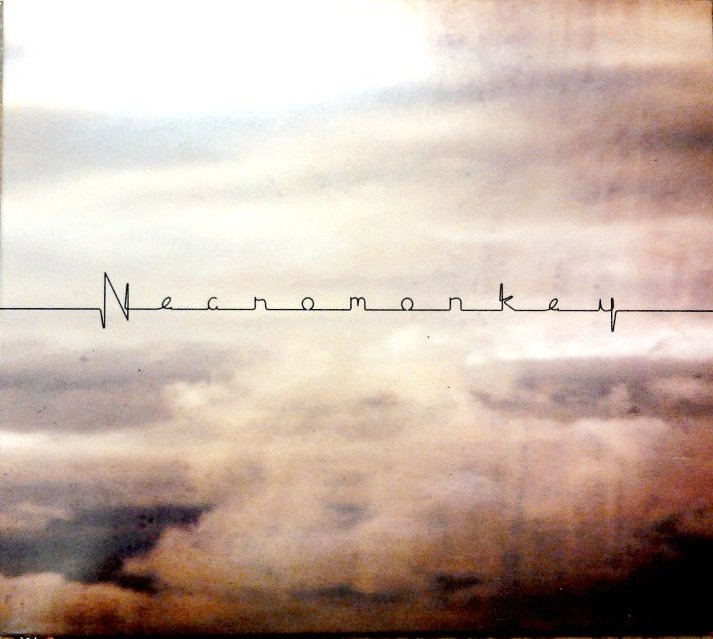
Melancholy and appealingly zany in turn, balancing acoustic, electric and electronic elements with skill and delicacy, Necroplex possesses a hauntingly cinematic quality that hints at Olsson’s experience as a composer of film and theatre soundtracks. Variety is the name of the game, each track telling its own story in exquisitely multilayered fashion. From subdued ambient interludes such as “Winds Over Iceland” (featuring Einar Baldursson’s meditative baritone guitar), the sparse bass solo of “Empty Traps and Nightfall” and the rarefied clarinet of “Notebook Memory” to the free-form avant-garde leanings of the wacky “Tuba Melt” and the surreal narration of the aptly-titled “Spoken”, the album offers a veritable journey through moods and atmospheres as wildly shifting as the clouds depicted on its cover.

The liberal use of drum machines imparts a martial, almost robotic pace to tracks such as the angular “The Utopian and the Teaspoon” and “Asshole Vote”, where it is reinforced by scratchy turntable effects, and softened by Cecilia Linné’s sober cello, while the ever-present mellotron confers to the sound an orchestral quality through an array of choral and string effects. “Small Rome” has the allure of a classical chamber piece, with its cello and flowing piano, while the album’s two longest tracks – the 8-minute “Every Dead Indian” and “Knock Knock Hornet’s Nest” – merge harsh industrial suggestions with the surging post-rock sweep of Gösta Berlings Saga, driven by Olsson’s eclectic drumming and accented by chiming guitar. Closing track “Last Entry”, on the other hand, privileges the warmth of acoustic instruments such as mandolin, vibraphone and glockenspiel, enhanced by gentle chanting and mellotron, introducing a note of folksy Scandinavian wistfulness that evokes Änglagård and Anekdoten at their most introspective.

Forward-thinking lovers of instrumental music will not fail to appreciate Necroplex – an album whose thoroughly modern stance also pays homage to the likes of early Pink Floyd – as will those who have been intrigued by some of the bands and artists covered in this blog, such as Ergo, Knitting By Twilight, Lüüp and the obvious choice, Gösta Berlings Saga. All in all, this is an album that rewards patience, and proves that vintage prog staples and cutting-edge technology can be successfully combined to produce music that is genuinely progressive, yet appealingly down-to-earth. Even if released early in the year, I expect Necroplex to appear in many “best of 2013” lists. Fans will also be glad to hear that Olsson and Lundberg are already working on a follow-up.

Links:
https://www.facebook.com/pages/Necromonkey/109218875773387

http://www.youtube.com/user/RothHandle

Read Full Post »

3152562896-1

TRACKLISTING:
1. Tanto Gonfio Saremo (5:49)
2. La Cumbia Inglés (6:04)
3. Zamba del Chaparrón (6:43)
4. Camino a Dos Rius (4:05)
5. Saracinesca (5:29)
6. Amuleto (3:36)
7. Impro (1:39)
8. Peperina en el Semaforo (6:11)

LINEUP:
Facundo Moreno – classical guitar, charango
Santiago Moreno – classical guitar
Tommaso Rolando – contrabass, electric bass
Marco Ravera – electric guitar
Mattia Tommasini – violin
Santo Florelli – drums
Manuel Merialdo – percussion, glockenspiel

With:
Filippo Gambetta – diatonic accordion (3)
Tatiana Zakharova – voice (7)

Aparecidos were established by Argentine brothers Facundo and Santiago Moreno, who in 2001  had left their home country and settled in the Italian “prog hub” of Genoa, where they had the opportunity to meet other like-minded musicians. The band’s debut album, titled Lo Que Hay en el Charco, was released in 2009 for independent label Dodicilune. For their sophomore effort,  recorded with a slightly different lineup (which includes two members of fellow Genoese band Calomito, guitarist Marco Ravera and bassist Tommaso Rolando), they joined the AltrOck Productions roster – already home to a number of distinguished contemporary acts.

Palito Bombón Helado was released in November 2012, at the tail end of a year characterized by a large number of high-quality releases. Though the album appeared on the market almost at the same time as Mirrors, the highly anticipated live album by AltrOck’s standard-bearers Yugen, it managed to attract the attention of the growing contingent of devotees of the Milan-based label’s output.  Indeed, Palito Bombón Helado – whose title and endearingly naïf artwork refer to the ice cream bars on a stick sold in the streets of Buenos Aires at a time when ice was a rarity imported from the US and England – feels like a breath of fresh air, marrying superb musicianship with the bittersweet combination of wistfulness and joie de vivre typical of Argentina’s rich musical tradition, whose mostly European background mingles with African and indigenous influences.

In Aparecidos’ musical universe, the folk/acoustic and the electric/rock component coexist in perfect harmony, complementing each other rather than competing for attention. An exquisite flair for melody lends the music a natural flow, making it easy on the ear. The compositions emphasize the ties between Argentina and the rest of the South American continent:  “La Cumbia Inglés” draws on a traditional Colombian dance adopted in the Argentine canon, while the prominent presence of the charango (a stringed instrument traditionally made with the shell of an armadillo) anchors the album to the native heritage of the Andean region. The instrument’s  distinctive lilting, metallic tone, introduced to European audiences by Chilean bands Inti Illimani and Quilapayún in the Seventies and Eighties, blends with the intricate classical guitar patterns to perfection. Santo Florelli’s drumming, complemented by Manuel Merialdo’s percussion and Tommaso Rolando’s bass and contrabass, evidences a great sense of rhythm, sometimes imparting a solemn, almost grandiose pace to the music.

Though Palito Bombón Helado is conceived as an instrumental album, occasional vocal touches add to the overall musical texture – such as the vocalizing (courtesy of Tatiana Zakharova)  that enhances the upbeat, march-like pace of “Saracinesca”, or the appealing, Brazilian-tinged warbling at the end of opener “Tanto Gonfio Saremo”.  All of the 8 tracks have their distinct personalities, and feature some spectacular musicianship from everyone involved – warm hand percussion underpinning the seamless interplay of the brothers Moreno’s classical guitars, the crystalline tinkle of the glockenspiel, the accordion’s folksy wistfulness that tempers the joyful bounce of much of the music, the violin’s sweeping lyricism.

Marco Ravera’s elegantly understated electric guitar connects the music to the rock universe, though without stepping too assertively into the limelight: outstanding examples of its role can be found in the afore-mentioned “La Cumbia Inglés” and in the hauntingly beautiful closing track “Peperina en el Semaforo”. Mattia Tommasini’s violin comes into its own in the subdued “Zamba del Chaparrón”, based on Argentina’s national dance, showcasing the effortless nature of the instrumental interplay, with perfect balance between the electric exertions of Ravera’s guitar and the acoustic instruments, and a brief foray into Avant territory towards the end, with drums, accordion and guitar playing in a sort of skewed slo-mo pattern. On the other hand, the short “Impro” is just what the title implies, with a snippet of the iconic “’O Sole Mio” paying a humorious homage to the Italian tradition.

As delightful and refreshing as the delicacy it is named after,  Palito Bombón Helado (mastered by renowned sound engineer Udi Koomran) is stylishly eclectic combination of world music, European folk and jazz with a pinch of Avant-Progressive spice, whose complexity is not immediately apparent, and never contrived. Those who appreciate the work of artists such as Cédric Vuille (his 3 Mice project with Thinking Plague’s Dave Willey and Elaine Di Falco comes to mind) or the late Lars Hollmer will find this album a very rewarding proposition, and even the more “conservative” prog listeners will find a lot to like in these 40 minutes of music, even if they do not reflect the conventional features of the genre. In any case, this is another excellent release from the ever-reliable AltrOck label, which in the past few years has become a byword for music whose uniqueness will please those who are increasingly frustrated by the formulaic nature of so much modern prog.

Links:
http://aparecidos.bandcamp.com/album/palito-bombon-helado

http://production.altrock.it/prod2.asp?lang=eng_&id=203&id2=204

Read Full Post »

theater-banner

With the final curtain fallen on NEARfest in June 2012, a void has been left in the once-thriving US progressive rock festival scene. In the past couple of years, the increasing fragmentation of  the target audience – as well as other factors such as the lingering economic downturn – have provided a brusque reality check to anyone daring enough to invest time and money in this often unrewarding task  While the cottage-industry organization of ProgDay is still going strong (probably because of its unpretentious structure), and ROSfest keeps attracting a steady number of devotees to its Gettysburg premises, other more ambitious efforts have ended in failure before they even started. The enthusiasm about Baja Prog’s return after a four-year hiatus was tempered by a lineup that penalizes US bands, and is in many ways a duplicate of the last NEARfest  – not to mention that the festival takes place in a part of the continent that is not exactly convenient for many US dwellers.

However, almost unexpectedly, a new event has stepped in at that particular time of the year, though in no way aiming to fill  NEARfest’s daunting shoes by offering a range of reasonably high-profile bands, including some “bucket list”ones. In fact,  the organizers of Seaprog Music Festival seem to have taken the ProgDay template even further, concentrating almost exclusively on US acts and spotlighting local talent. The event is scheduled for June 28-30,  2013, at Columbia City Theater, a nearly 100-year-old venue in the iconic Pacific Northwest metropolis of Seattle – home to such diverse acts as Jimi Hendrix, Heart, Queensryche and the grunge bands of the early Nineties. Starting on the evening of Friday, June 28, with a free show, the festival proper will be spread over the whole of Saturday and Sunday, showcasing a total of 11 bands.

Seaprog comes with the uncompromising tagline of “not your parents’prog” and a well-articulated manifesto that invites people to be open-minded in their approach to the world of non-mainstream music. In spite of the many attempts to separate “prog” from the original meaning of the word “progressive”, and turn it into nothing more than a codified genre complete with plenty of sarcasm-inducing mannerisms, there are still those who want “progressive” to be much more than a byword for self-indulgence and worship of the past.

The members of the organizing committee are dedicated musicians with years of experience under their belt: guitarist Dennis Rea (of Moraine and Iron Kim Style fame), drummer John Reagan (formerly of Harlequin Mass, now with Dissonati) and stick player Jon Davis (currently a member of Zhongyu with Rea and Moraine’s Alicia and Jim DeJoie). All three of them share similar views on what constitutes “prog”, which may not necessarily resonate with those who espouse the “prog as a genre” theory, but will instead find support in genuinely adventurous listeners. The event is a strictly non-profit venture, and the organizers’s main aim in undertaking this effort, as stated at the bottom of every page of Seaprog’s excellently crafted website, is to offer a world-class music event in a city that is better known for heavy rock and trendy alternative/indie bands.

As can be expected after reading the festival’s manifesto, Seaprog is heavily geared towards the cutting-edge side of the progressive rock spectrum, with seminal RIO/Avant band Thinking Plague  in the coveted spot of Sunday headliner for their first-even Seattle show. The Colorado-based outfit’s latest recording effort, Decline and Fall, was one of the defining albums of 2012, and their triumphant appearance at last year’s RIO Festival helped to consolidate their reputation as purveyors of difficult but highly rewarding music. Thinking Plague’s Dave Willey and Elaine Di Falco will also appear on stage with Hughscore Revisited, a quartet that will perform compositions by legendary Soft Machine bassist Hugh Hopper, who passed away in 2009. Not surprisingly, Moraine, Zhongyu and Dissonati will also be on board. The other names on the lineup are less familiar to the majority of prog fans: local outfits Alex’s Hand, Monkey Bat Operation ID and Trimtab (originally formed in Minneapolis, but now based in Seattle), and  Italian multi-instrumentalist Jolanda. At the time of writing, the Saturday headliner remains to be announced. Links to all of the artists’ webpages are available on the event’s site. A Kickstarter campaign will also be launched to finance recording of the shows.

After so much fretting about the future of the US festival scene following the demise of NEARfest and the cancellation of OhioProg and FarFest, it is heartwarming to see people take things into their own hands in order to promote homegrown talent, even though on a much smaller scale than NEARfest, ROSfest or Baja Prog. As I have often written on these pages, this is probably the most viable model, which allows the organizers not to be bound by the necessity of filling a larger venue, therefore having to budget for inevitably more expensive “international” bands. Hoping for a healthy turnout that will allow the festival to continue at least in 2014, I applaud the organizers for their bravery and dedication to the cause of progressive music.

Links:
http://www.seaprog.org/

Read Full Post »

fim_fiera_musica


On May 25-26, 2013, the Italian “prog hub” of Genoa and its surrounding region of Liguria will be the undisputed protagonist of an event of international scope targeted to anyone who is in the business of making and promoting music. The FIM (Fiera Internazionale della Musica), the largest event of its kind organized in Italy, will take place at the Ippodromo dei Fiori in the medieval hill town of Villanova d’Albenga. The town lies about 50 km (31 miles) west of Genoa, in the hinterland of the famed Riviera di Ponente, the western stretch of the Italian Riviera, curving towards the French border and following the route of the Via Aurelia, the longest of the original Roman roads.

Over two whole days, the event will offer a unique showcase to up-and-coming bands and artists from all over Italy. Four stages and other dedicated spaces will allow musicians to perform with their own instruments, and the participants will also have a wide range of workshops, seminars and other happenings to attend – all covered by a daily entrance fee of € 15.

One of the core events of the fair, the Riviera Prog Festival will host a total of 13 bands (as well as the symphonic orchestra of the neighbouring town of Sanremo, known internationally for its Festival della Canzone Italiana)  in the afternoon and evening of both days, starting from 3 p.m. The bands that will take turns on stage during this event-within-the-event represent some of the best that Italian progressive rock has to offer, with an eye to its glorious past and another to the thriving contemporary scene – an example that US organizers would do well to follow, instead of focusing on foreign acts to the detriment of homegrown talent.

Though most of the bands and artists on the lineup are based in Liguria, other parts of Italy have not been neglected: Goad and Le Porte Non Aperte hail from Tuscany, while Claudio Simonetti/Daemonia and Biglietto per l’Inferno  (both protagonists of the original RPI movement in the early Seventies) are based respectively in Rome and Milan. The local talent includes veterans such as The Trip (who counted one Ritchie Blackmore among its early members), Latte E Miele (who were slated to headline the sadly cancelled Farfest 2012), DeliriumGarybaldi and Il Cerchio d’Oro, and modern bands such as Il Tempio delle Clessidre (whose career-defining NEARfest appearance endeared them to the US prog community), G.C. Neri Band, La Coscienza di Zeno and newcomers Flower Flesh.

FIM has been sponsored by a number of local agencies, including the region of Liguria, and partnered by media outlets such as local radio and TV stations, as well as the association Centro Studi per il Progressive Italiano (CSPI), independent label Black Widow Records and recording studio Maia (all based in Genoa). The event’s website (unfortunately only in Italian, at least for the time being) contains detailed information on the event, including tips for anyone who would like to combine the pleasures of music with those of sightseeing.

Links:
http://www.fimfiera.it/

http://cspigenova.blogspot.com/

http://www.blackwidow.it

http://www.maiagroup.it/maia/studio-di-registrazione

Read Full Post »

2P 4pg insert

TRACKLISTING:
1. Praxis (5:14)
2. Dead Leaf Echo (3:18)
3. Brutality of Fact (3:17)
4. Alice Krige pt.1 (5:54)
5. Solitude One (4:25)
6. Ravenwood (3:27)
7. Mother Night (4:23)
8. Vargtimmen (4:59)
9. Malise (3:15)
10. New Lands  (4:12)
11. A Sense of an Ending (5:30)
12. The Secret of Fire (5:16)

LINEUP:
Mark Cook – Warr guitar, ADG fretless bass, guitar, programming
Mike Davison – guitar, 12-string acoustic guitar, guitar synth
Gayle Ellett – Moog, Mellotron, Hammond organ, Rhodes, dilruba
Jason Spradlin – drums, programming

With:
Joel Adair – trumpet (4)
Joe Blair – lap steel guitar (4)
Colin Edwin – fretless bass (1, 11)
Bob Fisher – flute (1, 4)
Lisa Lazo – keyboards (5)

In the late spring of 2011, the self-titled debut album by Herd of Instinct  – a hitherto unknown outfit named after the only album by Talk Talk offshoot O’Rang –  was released on Firepool Records, the label created by Gayle Ellett and Chuck Oken Jr, founding members of veteran US progressive rock band Djam Karet. Based in the Dallas-Forth Worth area of Texas, the idiosyncratic “power trio” of Mike Davison, Mark Cook and Jason Spradlin was augmented by a number of guest musicians – some quite high-profile, such as drummers Jerry Marotta, Gavin Harrison and Pat Mastelotto, and touch guitarist Markus Reuter and Gayle Ellett himself. After a few spins, the album – at first deceptively unassuming – quickly became one of my favourite albums of 2011, also earning and Herd of Instinct my personal “best new band” award.

In the months prior to the release of Conjure, their highly anticipated second album, some things have changed in the Herd of Instinct camp. The trio is now a quartet, with Ellett (an accomplished multi-instrumentalist and composer involved in a myriad of different projects)  now a full member, manning the keyboards and providing some exotic accents. While the debut featured vocals on two tracks out of 10, with Conjure Herd of Instinct have chosen a completely instrumental format. The album expands on the ideas presented on the debut, introducing subtle adjustments to the band’s distinctive sound rather than opting for a dramatic change in style – though avoiding the all too common syndrome of the sophomore effort being an inferior copy of its predecessor.

This time around, the presence of guest artists is kept to a minimum – with Porcupine Tree bassist Colin Edwin the only household name on the list –  emphasizing Herd of Instinct’s status as a real band rather than a loose group of musicians. With Ellett’s keyboards used discreetly to accent the work of the other instruments, and a smattering of programmed drums to supplement Jason Spradlin’s deft work behind the kit, the musical texture is profoundly atmospheric, often hypnotic and occasionally hard-edged, each instrument meshing with the other to produce an organic flow. On Conjure – even more so than on Herd of Instinct’s debut – the four band members bring their wide range of influences and keenly eclectic attitude to full fruition

Clocking in at around 53 minutes, Conjure features 12 tracks, the longest of which falls short of the 6-minute mark. However, there is plenty of complexity for fans to sink their teeth into, and a lot of interesting details are packed into each of those apparently short numbers. The one criticism I might level at the album is that, though anything but overlong, it temporarily loses steam in its second half. In fact, a couple of somewhat repetitive tracks might have been omitted without any detriment to the rest of the material. On the other hand, the performances of all the artists involved are top-notch, possessing that effortless quality that is not always easy to achieve when playing highly complex music.

Immediately creating a connection with the band’s debut, “Praxis” successfully combines variety and fluidity, its many layers subtly and skillfully rendered. Gayle Ellett’s Mellotron – an essential ingredient of the album’s instrumental texture – fleshes out the sleek, intricate work of Mike Davison and Mark Cook’s guitars, blending with the liquid polyrhythms of the Warr guitar and contrasting with an array of eerie electronic effects, while flute adds a  soothing, pastoral note. “Dead Leaf Echo” introduces a keen metal-like edge reminiscent of King Crimson ‘s late Nineties incarnation; the many tempo changes are handled deftly, with peaks of riff-heavy intensity followed by low-key passages dominated by the evocative sound of Mellotron and Warr guitar. Starting out in similar fashion, “Brutality of Fact” soon turns solemn, tapping into that cinematic vein evidenced by the band’s debut, and pushing Mellotron and Hammond organ to the forefront together with the guitars and Jason Spradlin’s powerful drumming.

With the one-two punch of “Alice Krige pt. 1” and “Solitude One”, Conjure reaches its creative peak. The former explores the rarefied, atmospheric territory that had made Herd of Instinct’s debut such an intriguing proposition, with ethereal trumpet and flute complementing the echoing sound effects and sparse lap steel guitar, spiced by warm-sounding percussion; the latter, based on the Indian dilruba (one of the many exotic string instruments mastered by Ellett), juxtaposes haunting ambient and ethnic elements with trance-like electronics. The first half of the album closes with the clear, intersecting guitar lines and wistful Mellotron of “Ravenwood”, accented by a sprinkling of electronic effects.

The Mellotron takes a lead role again in the aptly titled “Mother Night”, a stately, faintly gloomy piece redolent of Scandinavian prog icons such as Anekdoten. “Vargtimmen”, based on a percussion sample from Steve Tibbetts’ Friendly Fire collection, is introduced by recorded voices that intensify its brooding, ominous quality; while the somewhat harsh-sounding “Malise”, rife with buzzing electronics, is in my view the weakest link on an otherwise strong album. Urgent drumming and sharp, assertive guitar lines propel the Morricone-influenced “New Lands, which also features a particularly expressive guitar solo (almost a rarity on an album based on a tight instrumental texture rather than on individual performances). Slow and measured, “A Sense of an Ending” hints at some episodes of Trey Gunn’s output, as well as the more sedate compositions of second- and third-phase King Crimson, while the airy, spacious melody in the first half of closer “The Secret of Fire” leads to an entrancing, almost slo-mo finale enhanced by piano and spacey sound effects.

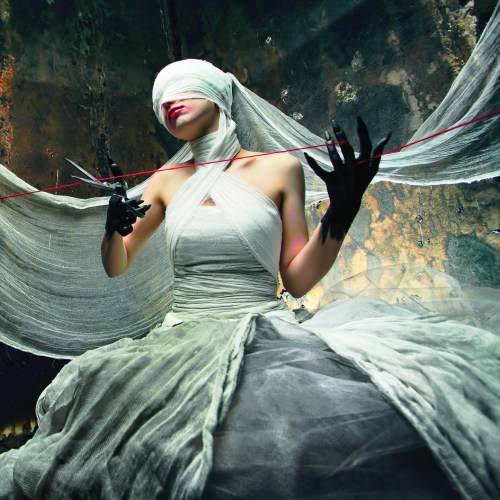
Herd of Instinct have also upped the ante in terms of artwork, and Conjure comes with a strikingly sinister cover that suggests one of the Three Fates ready to sever the thread of life. Like its predecessor, the album may be a grower rather than a “love-at-first-listen” affair, and require more than a couple of absent-minded listens to make its full impact. On the other hand, with its sophistication and eclecticism, it strengthens the band’s reputation as one of the most interesting presences in the variegated “instrumental prog” universe, and will not disappoint those who had appreciated their debut. It is to be hoped that some festival organizers – either in the US or elsewhere – will also take notice.

Links:
http://www.herdofinstinct.com

http://www.djamkaret.com/firepoolrecords/herdofinstinct2/

https://progmistress.com/2012/03/21/interview-herd-of-instinct/

Read Full Post »

« Newer Posts - Older Posts »